North India · Travel Guide
Varanasi is the most confronting city in India and the one most women say changed them most. A working spiritual landscape 3,000 years old — the ghats, the river, the fire, the silk — require context to experience rather than merely witness.
Places to Visit
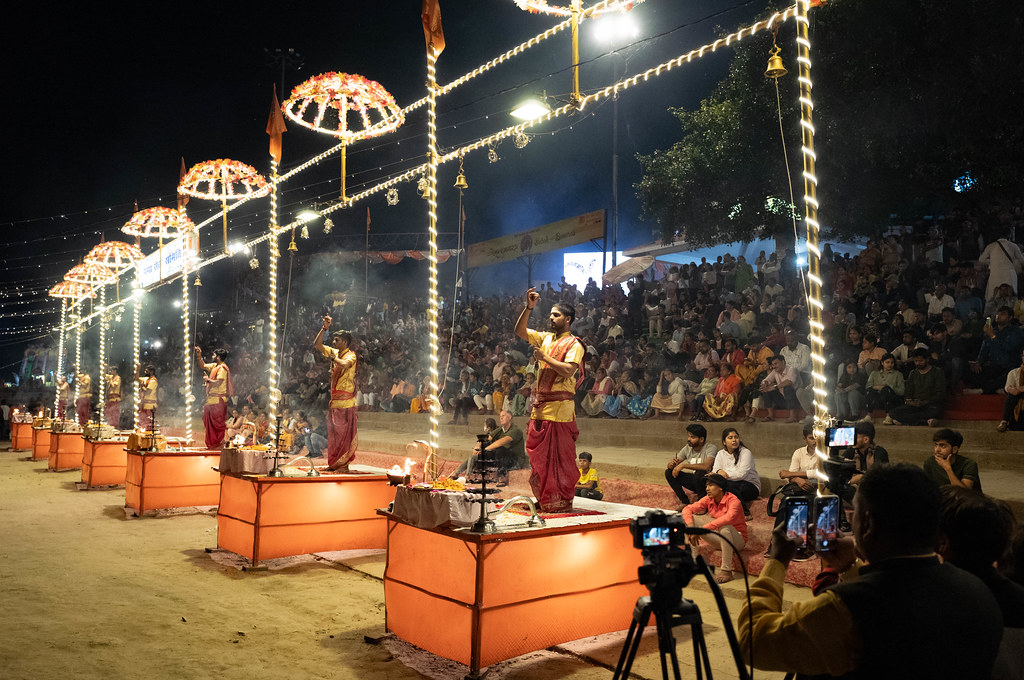
The main ghat — the city's central gathering point, where boatmen, priests, pilgrims, and tourists all converge. The Ganga Aarti ceremony is performed here every evening at sunset with choreographed lamps, bells, and resonant chanting.
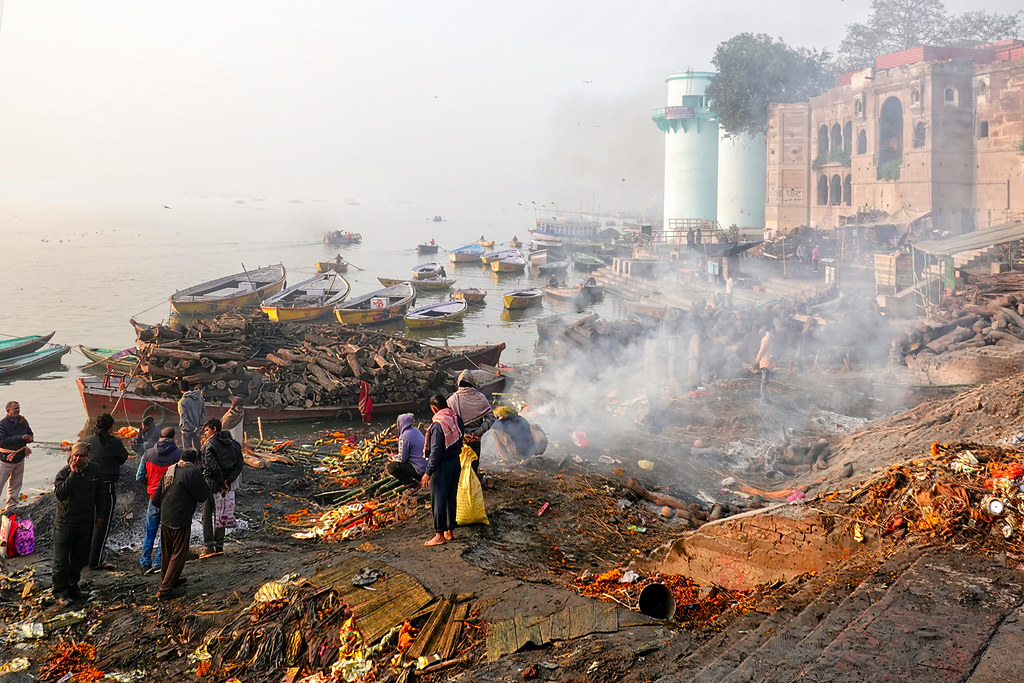
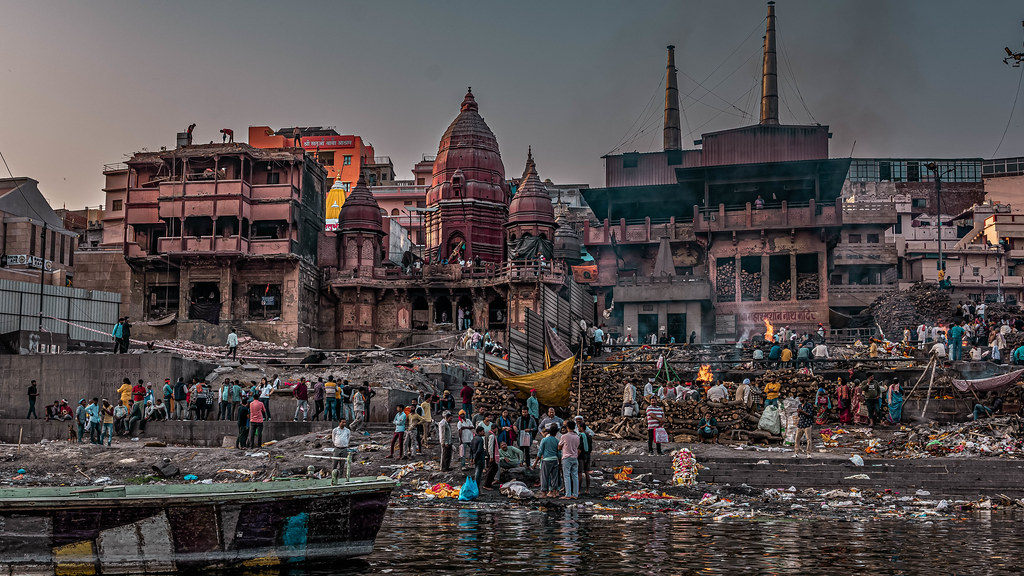
The main cremation ghat, where pyres burn continuously — Varanasi's most sacred and most confronting site. Understanding its spiritual significance — dying in Varanasi is considered liberation — completely transforms what you witness.
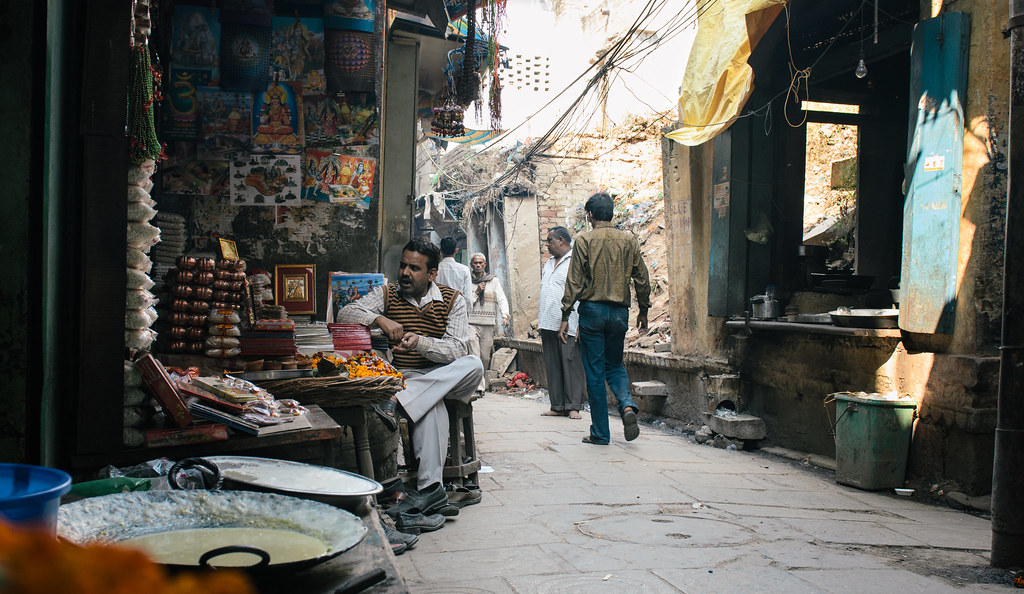
One of the twelve jyotirlinga temples of Shiva, among the most sacred sites in Hinduism. Non-Hindus cannot enter the inner sanctum, but the lanes surrounding it — silver shops, flower sellers, temples within temples — are entirely extraordinary.
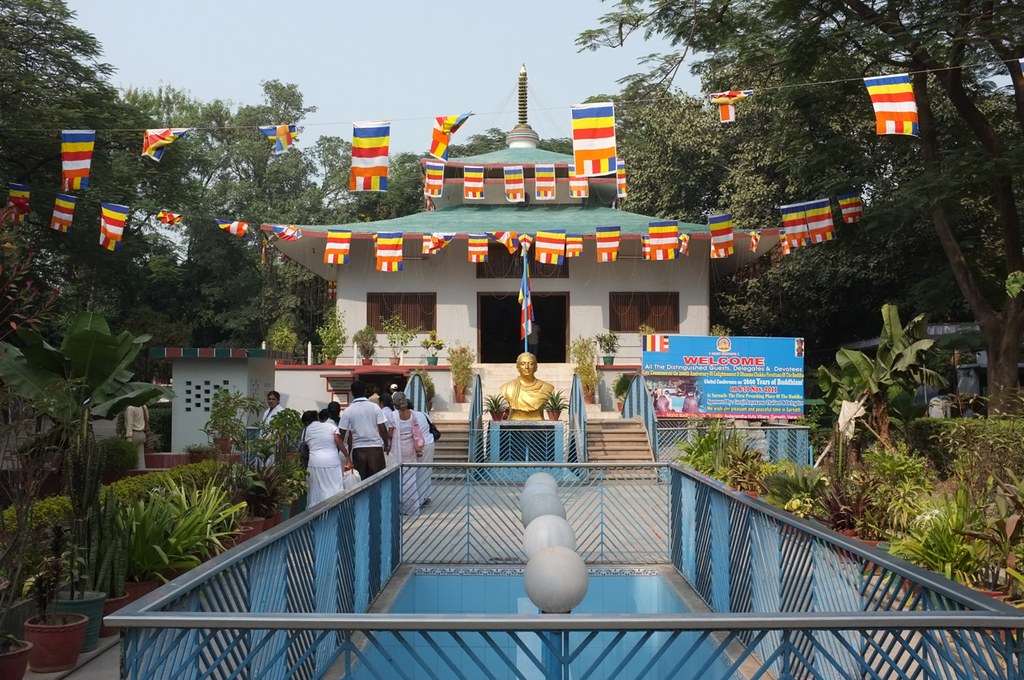
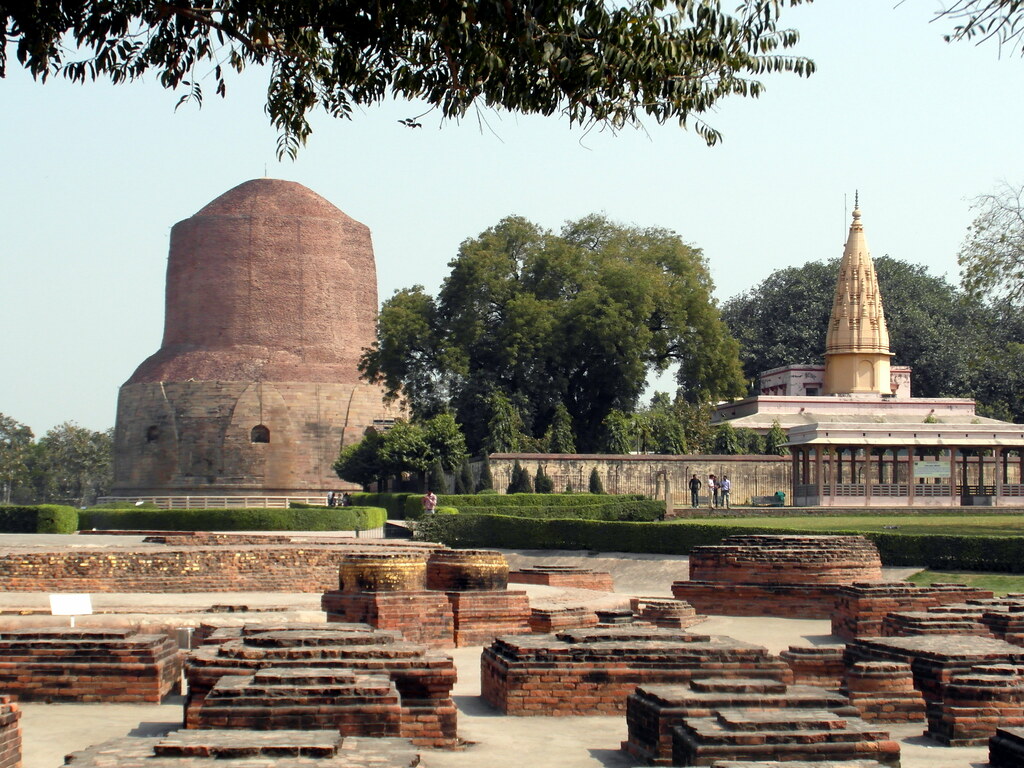
10 kilometres from Varanasi: where the Buddha gave his first teaching after enlightenment. The Dhamek Stupa dates to 500 CE; the museum holds the original Lion Capital of Ashoka, now India's national emblem.
India's largest residential university, founded in 1916, with the Bharat Kala Bhavan museum on campus — one of the finest collections of textiles, miniature paintings, and ancient coins in the country.
All 84 ghats are best seen from a boat at dawn — the light, the mist, and the scale of the city rising in layers from the river makes this one of the most atmospheric boat experiences in India.
Things to Do
A wooden rowboat before the haze rises — the city waking in layers of sound and fire, priests at their morning rituals, families bringing ashes, swimmers in the holy water. The most affecting 90 minutes in India.
Seven priests perform synchronised lamp ceremonies at sunset. Thousands watch from the ghat and from boats. Arrive at least 45 minutes early for a good position at the water's edge.
Varanasi produces some of the world's most complex silk textiles — Banarasi brocade woven on hand-operated jacquard looms in narrow workshops behind the old city lanes. Ask to see the punched card mechanism that creates the patterns.
The lanes behind the ghats are dense, disorienting, and extraordinary — chai stalls, flower sellers, temples stacked inside each other, and the layered sounds of a city that has operated at this intensity for three millennia.
Half an hour from the old city: the archaeological site of Buddha's first teaching, with a functioning Tibetan monastery and the museum housing India's national emblem in its original form.
The lanes behind Kashi Vishwanath Temple are lined with Banarasi silk merchants — brocaded saris, stoles, and fabric lengths woven on handlooms that have operated here for centuries. A guide who knows genuine weavers from showrooms will save both money and time.
Food to Try
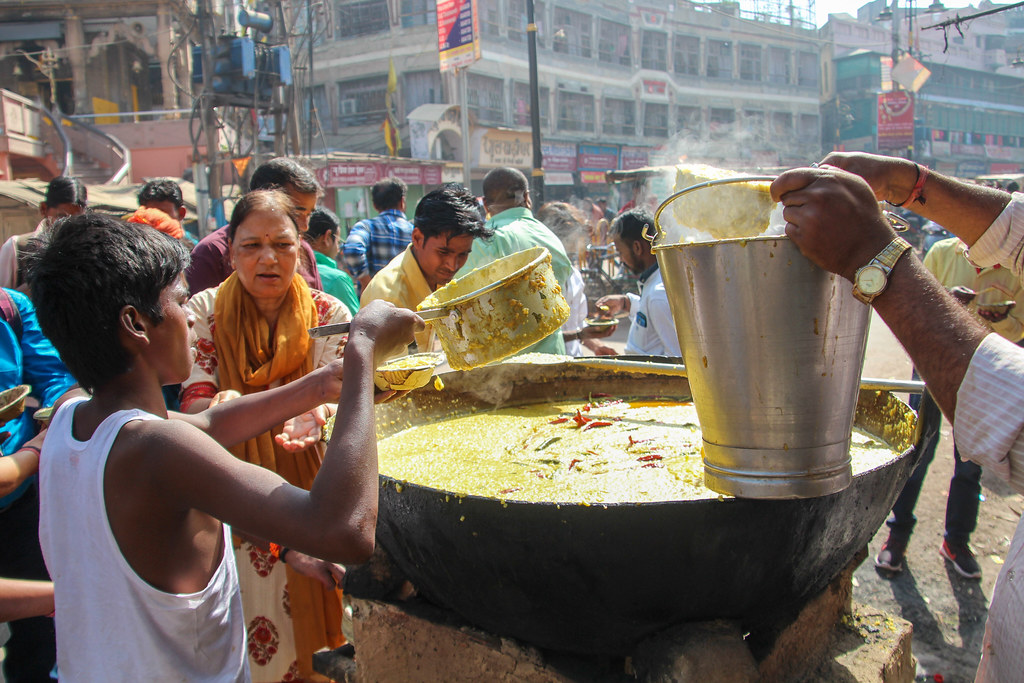
Fried pastry stuffed with spiced lentils, served with potato curry — the defining Varanasi breakfast, eaten at street stalls in the lanes behind the ghats from 6am.
Thick, creamy, and often topped with malai (cream) and rose water — served in clay cups that you smash after use (which is also traditional). Distinctly richer than a Punjabi lassi.
A milk-based drink with almonds, fennel, rose petals, and sometimes bhang (cannabis) — offered at chai shops near the ghats, especially during Holi. The non-bhang version is perfectly safe and excellent.
The lane of fried street food near Godowlia crossing — papdi chaat, samosa chaat, and tamatar chaat (tomato-based) that is specific to Varanasi and not found anywhere else in India.
A winter-only sweet (November to February): whipped milk foam flavoured with saffron and served in tiny clay cups. Vanishes in seconds, exists only in the morning cold. Worth planning a winter visit around.
The betel leaf preparation that Varanasi has made its own — filled with gulkand (rose petal jam), fennel, and areca nut, folded and served at paan shops near Godowlia. The correct way to end any meal in the old city.
Places to Stay
An 18th-century palace directly on the Ganges, at Darbhanga Ghat — one of the most extraordinary hotel locations in India. The hotel is small (16 rooms), the service is careful, and you can step from your door onto the ghats before sunrise. A once-in-a-decade experience for those who can afford it.
A legendary backpacker guesthouse on Meer Ghat, running since the 1970s and still one of the most honest, friendly budget options in the old city. Ghat-facing rooms give you the sunrise over the Ganges. The kind of place that gets into travel memoirs.
A beautifully restored haveli on Shivala Ghat, with traditional Varanasi architectural details intact — carved wood, painted ceilings, narrow corridors. Rooftop views of the ghats. Good mid-range choice in a city where mid-range accommodation is notoriously inconsistent.
A simple, long-running guesthouse at Meer Ghat — one of the few genuinely central budget options where the service is reliable and the rooms face the Ganges. No frills, correct value, and the right location for everything Varanasi requires.
A quieter annex of the BrijRama brand at Assi Ghat, the southernmost major ghat — closer to the Banaras Hindu University area and slightly removed from the density of the main ghats. Good for travellers who want ghat access without the sensory intensity of Dasaswamedh.
A contemporary business hotel in the Cantt area — the most reliable modern hotel in Varanasi for those who need consistent air-conditioning, good Wi-Fi, and a pool. Removed from the old city intensity by design; a hired auto-rickshaw connects you to the ghats in 15 minutes.
Solo Female Travel
The old city's lanes are genuinely disorienting and the ghats require cultural context to navigate respectfully. A guide who knows Varanasi from the inside — not as a tour stop — changes the experience from overwhelming to extraordinary.
The ghats are working religious sites. Covered shoulders, covered knees, and a scarf are the appropriate dress and also significantly reduce unwanted attention in the dense lanes.
Guesthouses on or immediately behind the main ghats mean you can reach the dawn boat by walking, not arranging transport at 5am. This is the most important logistical decision in Varanasi.
The lanes behind the ghats are best navigated before dark. The ghats themselves are well-lit and busy after dark for the Aarti, but the interior lanes become harder to read at night.
Plan Your Trip
Our guides know Varanasi from the inside. Not as a tour stop, but as a place they understand — and can open for you in a way that stays with you for years.
Start PlanningFree consultation · No obligation · Reply within 24 hours
Free Resource
Download The Essential Women's Guide to India — our free, no-fluff resource covering what to pack, what to expect, and what no travel blog will tell you. Trusted by 2,000+ women.
Prefer to speak directly? hello@roamrani.com