Himalayas · Travel Guide
A cold desert at 3,800 metres where fewer than 15,000 people live, roads wash out every monsoon, and electricity arrived in some villages within living memory. Key Monastery occupied since the 11th century, Kibber village at 4,200 metres, and a landscape unchanged for a thousand years.
Places to Visit
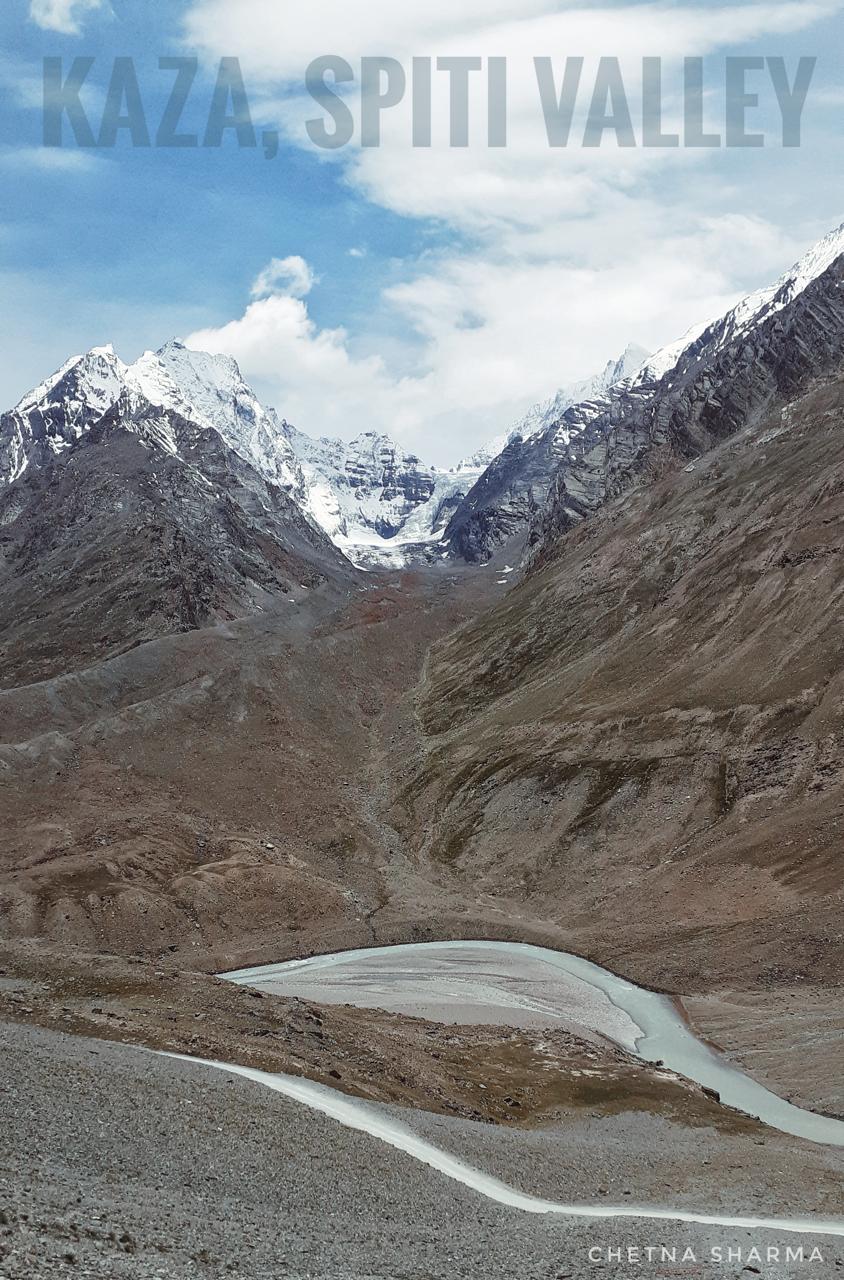
The main town of Spiti and the base for almost every journey into the valley — a small, high-altitude settlement at 3,800 metres with a handful of cafés, homestays, and the district administration. Everything in Spiti radiates outward from Kaza: the road to Kibber, the road to Pin Valley, the road to Chandratal. Arrive, acclimatise, and explore.
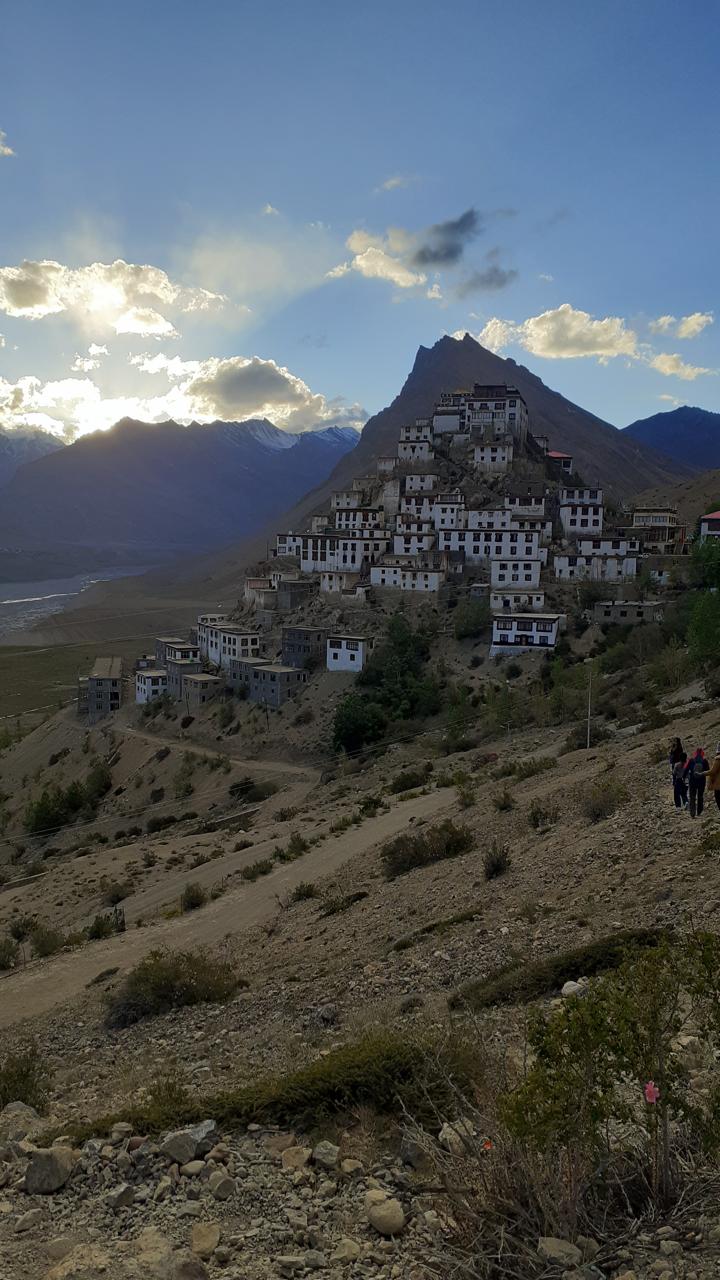
A 11th-century monastery perched on a hill above the Spiti River at 4,166 metres — the largest monastery in Spiti, with 300 monks and a library of ancient manuscripts. Continuously occupied for a thousand years. Morning prayers at dawn, with the cold desert below, are among India's most extraordinary spiritual experiences.
At 4,205 metres — one of the world's highest inhabited villages — Kibber is a cluster of white houses above a valley where barley is grown for two months before the ground freezes. The surrounding landscape is raw and mineral: ochre rock faces, turquoise glacial streams, and a high-altitude sky that feels impossibly close.
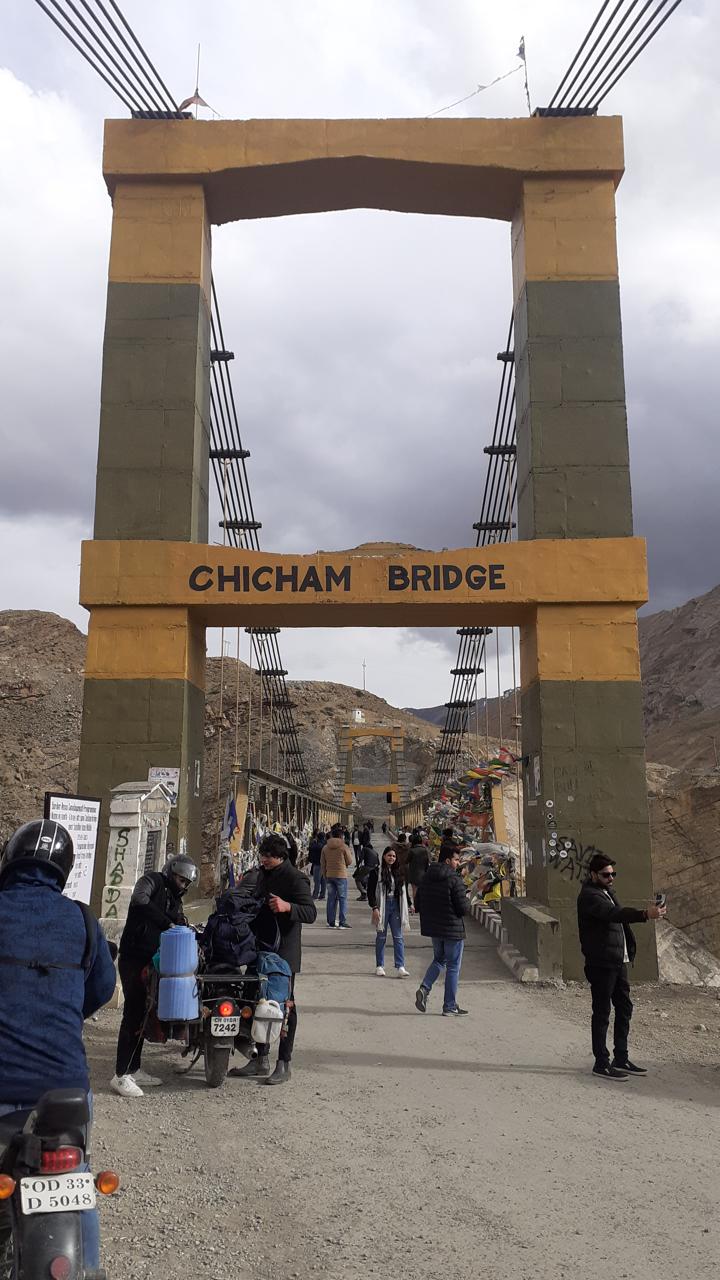
Asia's highest suspension bridge, spanning a 150-metre gorge between Kibber and Chicham village. The bridge replaced a decades-long isolation that forced villagers to descend to the valley floor and climb back up — a journey of hours reduced to minutes. The view from the centre of the bridge, into the gorge, is not for the faint-hearted.
A small village at 4,400 metres, known for two things: the giant white Buddha statue that watches over it from the hillside, and the marine fossils embedded in the surrounding rock — ammonites and sea creatures from when this entire plateau was the floor of the Tethys Sea. A geologist guide from Kaza makes the fossil search both systematic and astonishing.
Home to the world's highest post office at 4,400 metres — a functioning government post office from which you can send postcards and letters to any address in the world. The postmaster has been receiving travellers for years. The stamp on the envelope reads "Hikkim, Pin Code 172114."
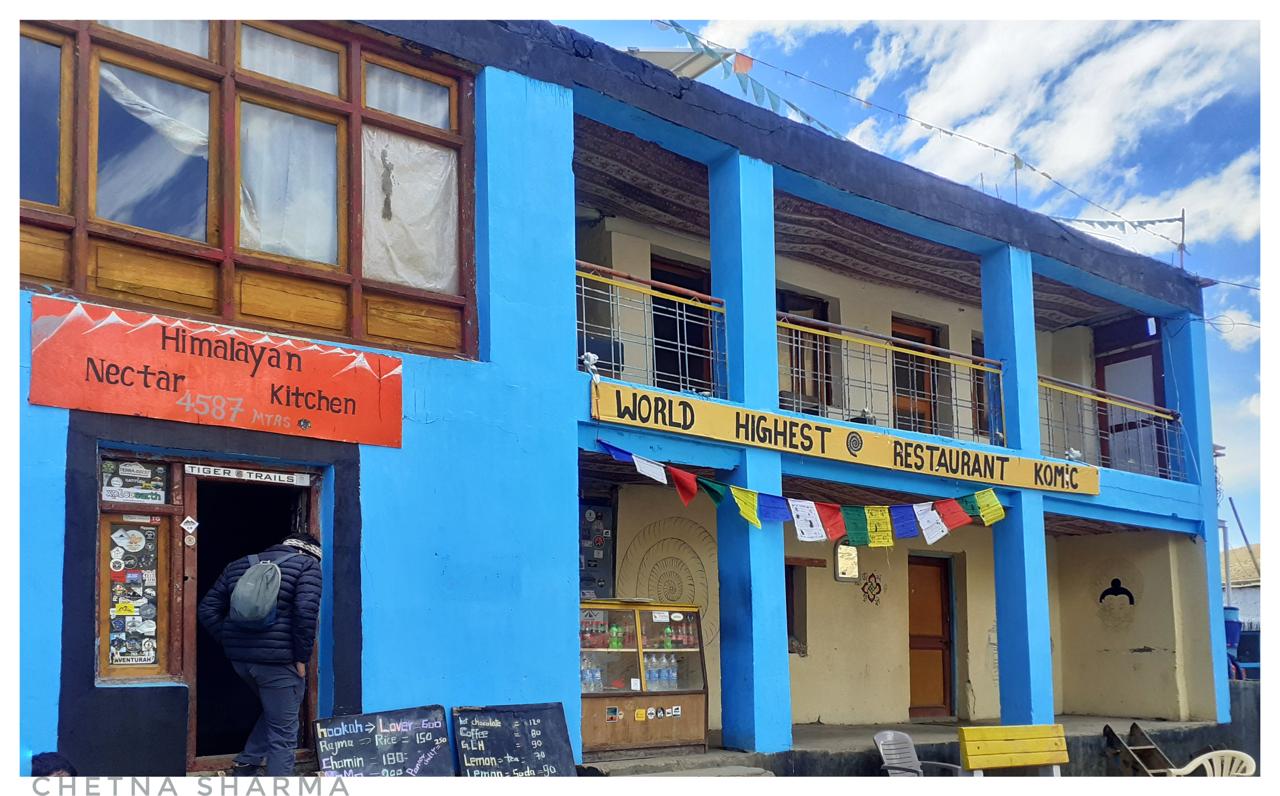
One of the highest motorable villages in the world at 4,587 metres, with a 500-year-old monastery and what claims to be the world's highest restaurant. The road here is a serious undertaking — the track across open moorland from Hikkim takes about 30 minutes by jeep or 2 hours on foot.
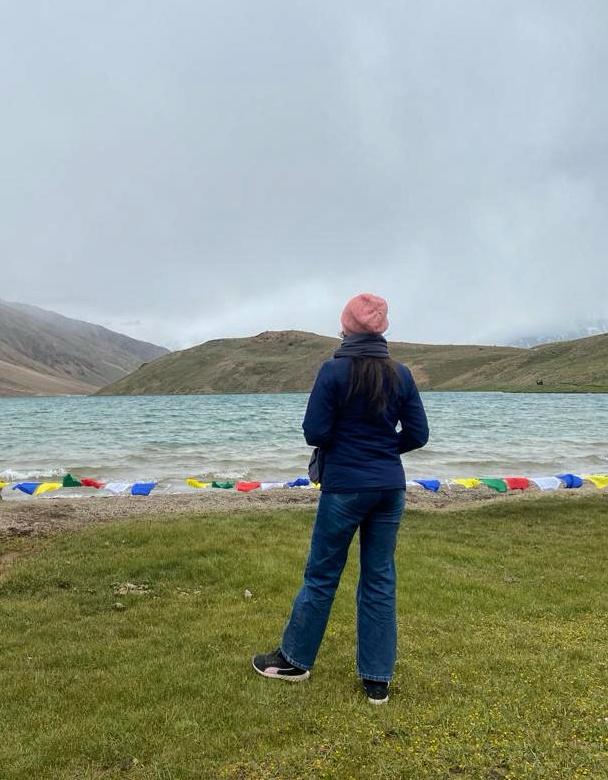
A crescent-shaped glacial lake at 4,300 metres in the Kunzum range — named for its moon-like shape, perfectly clear, surrounded by high-altitude moraine. Accessible from Kaza by a half-day drive and trek; overnight camping is permitted and produces some of the finest stargazing in India.
A monastery perched on a cliff above the confluence of the Pin and Spiti rivers at 3,894 metres — one of Spiti's most photogenic sites, with a smaller lake accessible by a 1-hour walk above the monastery. A heritage site that is genuinely at risk from ongoing erosion.
A trans-Himalayan cold desert reserve — home to the endangered snow leopard (one of the few places in India where sightings are occasionally reported in winter), Tibetan wolf, and the ibex. The summer trekking season offers wildlife spotting along established mountain trails.
Founded in 996 CE — the oldest continuously functioning monastery in India, with 1,000-year-old murals in the cave chambers that are among the most significant examples of early Himalayan Buddhist art still in existence. Called the "Ajanta of the Himalayas" by the Dalai Lama.
A remote village near the Spiti–Ladakh border, home to one of the world's most unusual sights: a naturally mummified monk, believed to be 500 years old, seated in a meditation posture. The mummy is kept in a small glass case inside a monastery and is accessible to respectful visitors. The road to Gue is long and the village receives few travellers — which is precisely why it remains unchanged.
Things to Do
Arrive before dawn and sit in the prayer hall as the monks begin. The low chanting in a candlelit room at 4,000 metres, with the valley below still dark, is physically moving in a way that is difficult to articulate. Photography is not the purpose here.
The overnight camp at Chandratal — your tent on the moraine above the lake — produces what many visitors describe as the finest stargazing of their lives. No light pollution, thin air, and a sky that appears to begin at head height.
A night in a Kibber family homestay — the family cooks the same dinner they eat themselves, the altitude makes sleep dense and strange, and waking at 4,200 metres to the valley below in dawn light is something no hotel can replicate.
Cross Asia's highest suspension bridge on foot — the gorge drops away 150 metres below you, the cables hum in the wind, and the mountains of the upper Spiti valley extend in every direction. The bridge connects Kibber to the tiny village of Chicham across the gorge; the walk across takes ten minutes and is unlike anything else on the itinerary.
The world's highest post office at 4,400 metres is a functioning government institution. Buy a postcard in Kaza, write it on the walk up, and have it stamped and posted at Hikkim. It will arrive. The postmark reads 4,440 metres above sea level.
The rocks around Langza village contain marine fossils from when this plateau was the floor of the ancient Tethys Sea — ammonites and bivalves in stone at 4,400 metres. The giant Buddha statue on the hillside above the village watches over the search. A guide from Kaza makes the finds systematic rather than random.
Two of the world's highest inhabited villages — connected by a 4-kilometre trail across open moorland at 4,500 metres, with views of the entire upper Spiti valley. Hikkim has the world's highest post office; Komic has a 500-year-old monastery and the world's highest restaurant. The walk between them takes two hours and requires no specialist equipment.
The trek from Kaza to Chandratal via Kunzum La (4,590m), the Pin-Parvati Pass crossing from Spiti to the Kullu Valley, and the Parang La crossing to Ladakh are for experienced trekkers only. Shorter 1-3 day treks from Kibber and Tabo suit walkers with basic hill fitness.
Food to Try
The noodle soup that sustains Spiti — made in homestays from whatever is available (barley noodles, dried vegetables, dried meat), deeply warming at altitude, and the one dish that reliably appears at every table from Kaza all the way to Kibber.
Salted yak-butter tea — served continuously at homestays throughout the day, the correct Spitian hospitality. In cold so extreme that the water in your tent freezes at night, it is not optional. The salt replenishes what high-altitude breathing removes.
Flatbread made from the barley that Spitians grow in the two-month agricultural window — the only grain that grows at this altitude. Dense, slightly nutty, served with dal or butter tea at breakfast.
The simple dal-rice cooked by homestay families — at 3,800 metres, water boils at 87°C rather than 100°C, which changes the rice texture in a way that is noticeable and slightly disorienting to someone who has never cooked at elevation.
The butter tea served at monastery guest halls to visitors — an act of hospitality that costs nothing to offer and everything to refuse. The monks at Key and Tabo are well-accustomed to the faces that foreigners make when they first taste it.
The apricot trees planted along Tabo village walls produce small, intensely sweet fruit that is sun-dried on rooftops for the winter — the most important locally grown food in Spiti. Sold in small bags at the Tabo monastery shop, it keeps for months and represents one of the valley's most specific local tastes.
Places to Stay
A cluster of traditional mud-brick rooms in a village above Kaza, run by a Spitian-founded social enterprise — every booking supports local employment, women-led hospitality, and high-altitude organic farming. The most ethically rooted and locally authentic accommodation in Spiti Valley.
A comfortable guesthouse in Kaza, the main town of Spiti, with Spiti River views, attached bathrooms, good Tibetan-influenced food, and the kind of reliable service that is rare at 3,800 metres. The best mid-range base in the valley for itinerary planning and acclimatisation.
Family-run homestays in Kibber, one of the world's highest motorable villages at 4,200 metres — simple rooms in traditional stone houses, dal and rice cooked on a wood stove, and a sky at night that is worth the altitude alone. The most authentic way to experience Spiti's village life.
Homestays in Langza, the fossil village at 4,400 metres with a giant Buddha statue overlooking the Spiti River valley — a single-night stop on the Pin-Parvati or Spiti circuit, with simple but warm accommodation and extraordinary views.
A boutique property near Kaza with a focus on sustainable building and local food — one of Spiti's better-designed mid-range properties, with heated rooms, solar-powered facilities, and a quiet location that makes it a good recovery base between high-altitude days.
A budget hostel in Kaza town — the social hub of the Spiti circuit for backpackers and motorcyclists, with a communal kitchen, reliable solar power, and a noticeboard of trek partners and vehicle-sharing opportunities. At 3,800 metres, it is the highest Zostel in India and the right base for acclimatisation before heading higher into the valley.
Solo Female Travel
Spiti's roads wash out without warning, medical facilities are hours away, and the valley's logistics are opaque to first-time visitors. A local guide who knows the homestays, the road conditions, and the monastery schedules is the operational requirement that makes the trip possible.
There are no hotels in most of Spiti. Homestays with Spitian families — who have been receiving travellers for 20 years — are safe, warm, and provide the human connection that is the actual point of going to the valley. RoamRani works with family homestays we know personally.
Spiti's lowest point (Sumdo) is 2,700 metres; most of the valley is above 3,800. Arriving from Manali (2,050m) via the Kunzum La (4,590m) in a single day, without time to acclimatise, causes altitude sickness. We plan two additional acclimatisation days into every Spiti itinerary.
Mobile networks reach only the main Kaza bazaar area. The rest of the valley — including Kibber, Chandratal, and Pin Valley — has no connectivity. This is not a logistical problem once you accept it; it is one of the most valuable things about Spiti.
Plan Your Trip
Spiti requires the most logistical preparation of any RoamRani destination — acclimatisation, road conditions, homestay bookings, weather windows. We have planned dozens of Spiti journeys. Let us plan yours.
Start PlanningFree consultation · No obligation · Reply within 24 hours
Free Resource
Download The Essential Women's Guide to India — our free, no-fluff resource covering what to pack, what to expect, and what no travel blog will tell you. Trusted by 2,000+ women.
Prefer to speak directly? hello@roamrani.com