North India · Travel Guide
The yoga capital of the world is also a gateway to the Himalayas, a white water rafting destination, and a genuinely spiritual town where ashrams have been active since long before yoga became a global industry. It holds every kind of traveller without forcing a choice.
Places to Visit
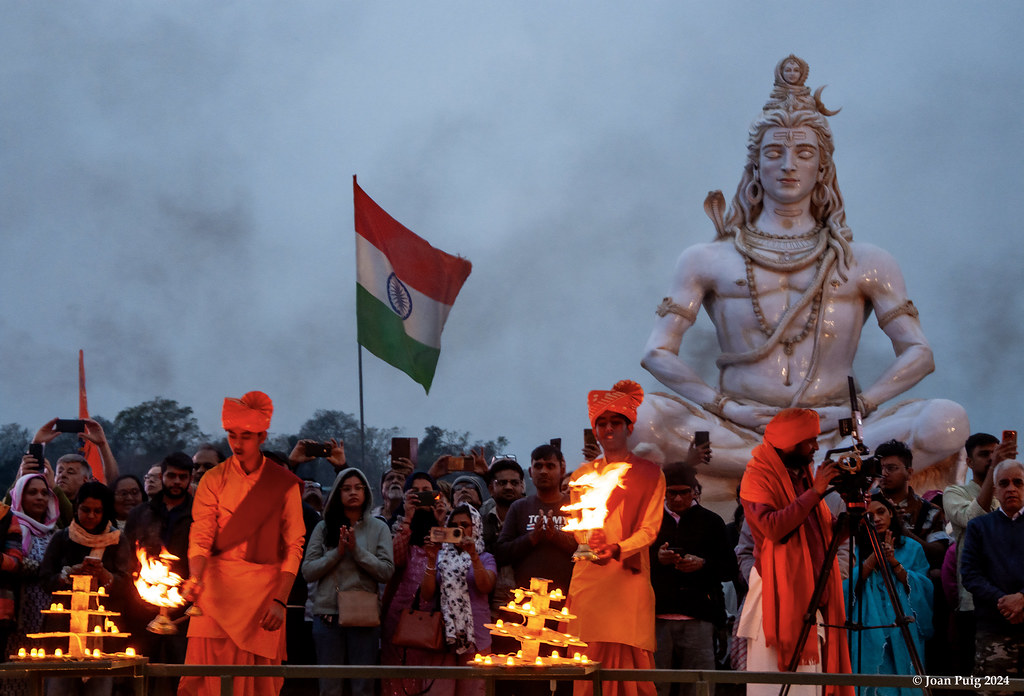
The largest ashram in Rishikesh — home to the evening Ganga Aarti, performed by priests in a ceremony of fire, bells, and chanting on the steps leading to the river. One of India's most beautiful and attended sunset rituals.
The ashram where John Lennon, Paul McCartney, Ringo Starr, and George Harrison came in 1968. Now an open forest meditation space, with their sketches still visible on crumbling walls and a meditation cave where Lennon composed much of the White Album.
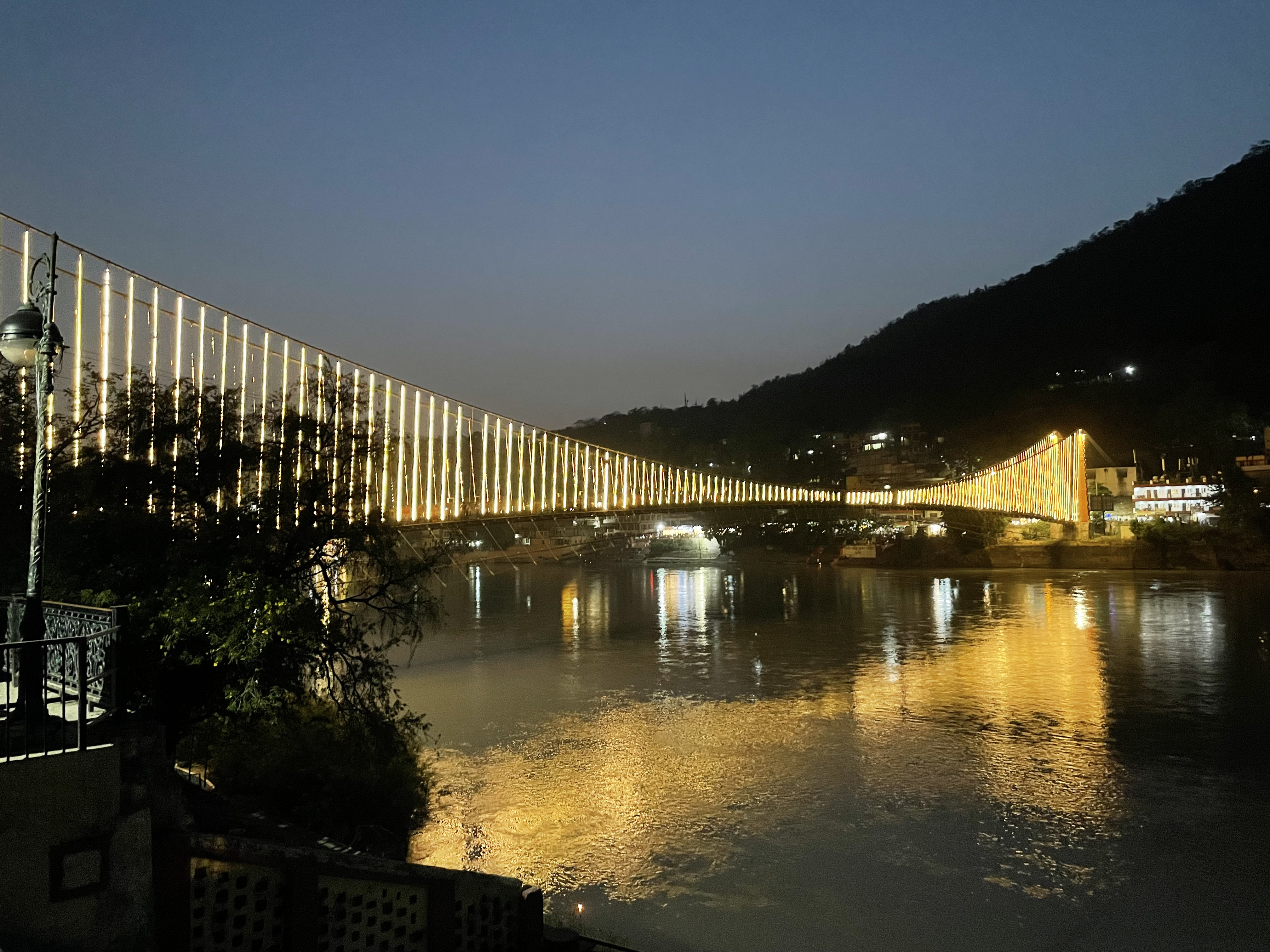
Suspension bridges over the Ganga that form the spine of Rishikesh — pedestrian, hanging above fast-moving green water, with ashrams and temples on both banks. The older Lakshman Jhula is now closed; Ram Jhula remains open.
The main bathing ghat in Rishikesh — where the Ganga runs fast and cold through a narrow gorge, and pilgrims have bathed every morning for centuries. The Aarti here is noticeably less touristy than Parmarth Niketan's.
22 kilometres into the forest — a 1,330-metre trek or jeep ride — to a Shiva temple at the confluence of two mountain streams. The forest walk is as much the draw as the temple itself.
One of the oldest yoga institutions in Rishikesh — founded in 1936 by Swami Sivananda, who trained many of the teachers who brought yoga to the West. The ashram still follows its original schedule of yoga, pranayama, and satsang, open to sincere visitors.
Things to Do
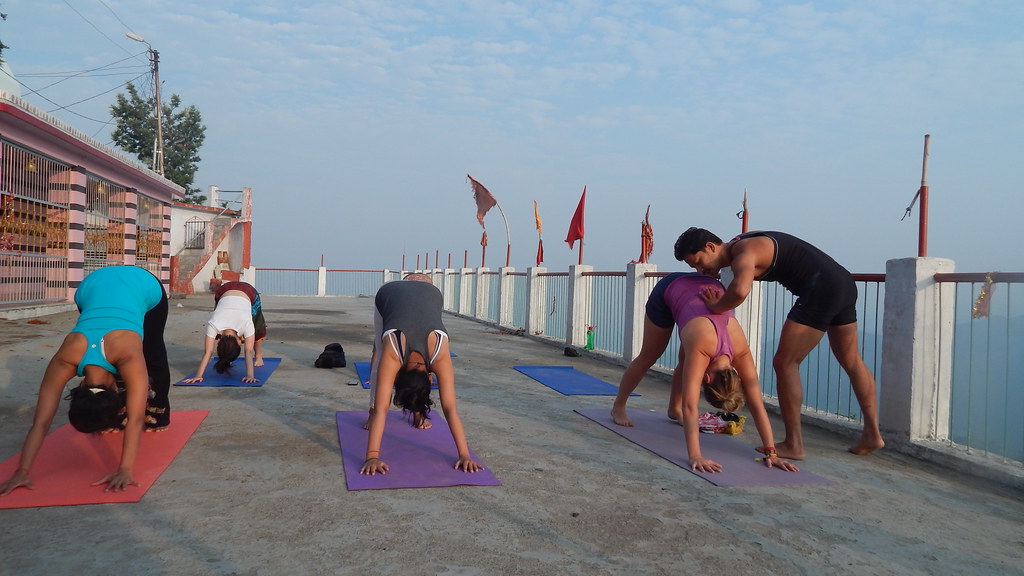
Not a studio. A rooftop above the Ganga with a practitioner who trained at a traditional ashram — before tourists, before Instagram, when yoga here was simply practice. The difference is felt within the first five minutes.
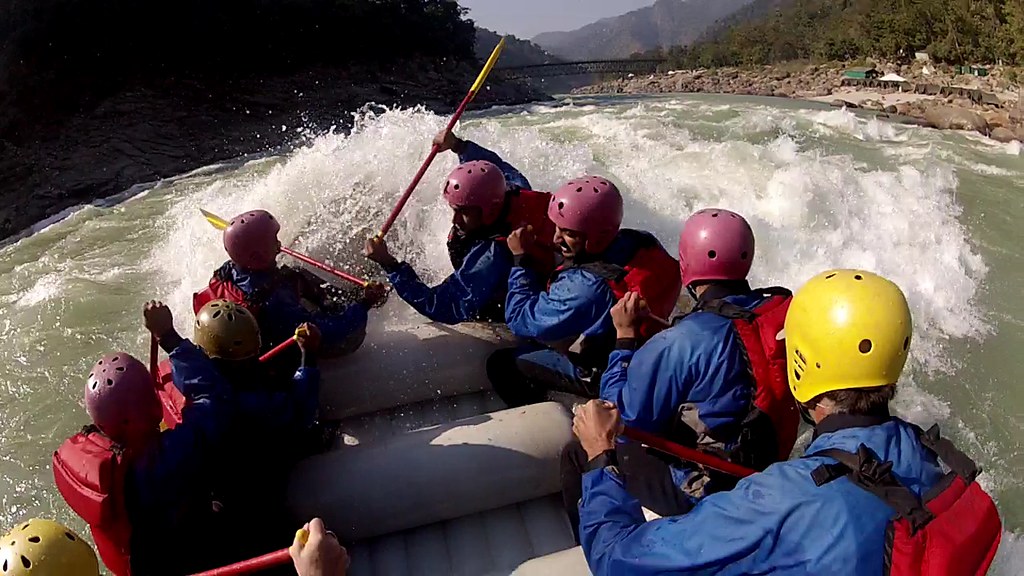
The stretch from Shivpuri to Rishikesh is 16 kilometres of rapids ranging from Grade 1 to Grade 4, depending on the season. October to April offers the best conditions. Half-day trips include all equipment and a safety briefing.
Arrive 30 minutes before sunset for a seat on the ghat steps. The ceremony — lamps, priests, bells, and hundreds of flower offerings on the river — takes place every single evening without exception.
A 30-minute walk from Ram Jhula through forest to the abandoned ashram. The painted meditation domes and the main hall still carry the atmosphere of serious practice. Bring a torch for the caves.
India's highest fixed bungee platform — 83 metres above a river gorge, certified operators, genuine equipment. Not the most spiritual thing to do in Rishikesh, but among the most memorable.
A 4-day trek from Joshimath (3 hours from Rishikesh) to a UNESCO high-altitude meadow of 500 wildflower species. Available only during the July–August flowering window when the valley is at full colour.
Food to Try
Rishikesh is predominantly vegetarian — most ashrams serve sattvic food (no onion, no garlic) that is meant to support meditation. Simple, clean, and more flavourful than it sounds. The Parmarth Niketan prasad is freely available to visitors.
The Ram Jhula café culture has produced a definitive banana lassi — thick yoghurt, ripe banana, honey — served in clay cups at a dozen cafés with river views. The best ones use yoghurt freshly made that morning.
The bridge area has a cluster of rooftop cafés serving Israeli shakshuka, Tibetan momos, and South Indian dosas alongside chai — a legacy of the backpacker and yogi community that has been here for 50 years.
The most famous restaurant in Rishikesh — operating since 1958, with a mascot in costume outside — serving basic North Indian thali that is genuinely good and historically quite significant.
Chai from a clay cup, sitting on ghat steps with the Ganga moving fast below. Not an experience that requires a recommendation — it happens naturally — but it is the correct way to end any full day in Rishikesh.
20 kilometres from Rishikesh: a second pilgrim city on the Ganga where the evening Aarti is performed at Har Ki Pauri ghat. The route includes sweet shops serving pedha and laddoo that have operated beside the temple ghats for over a century.
Places to Stay
Set in the forested hills above the Ganges, 24 kilometres from Rishikesh — a luxury Ayurvedic wellness retreat with Himalayan mountain and river views, a world-class spa, and yoga programmes taught by serious practitioners. Consistently ranked among Asia's finest wellness resorts. Not in Rishikesh itself, but the access and experience justify it.
A colonial-era tea estate property 25 kilometres from Rishikesh, directly above the Ganges — 13 rooms in a 1930s planter's house surrounded by the river on three sides. One of the quietest and most beautiful places to stay in the Himalayan foothills.
A mid-range resort in Tapovan, north of the main Rishikesh ashram belt, with river-facing rooms and a pool. Better positioned for white-water rafting access than central Rishikesh, and a step above the standard tourist guesthouse without reaching luxury pricing.
The well-run social hostel by the Ganges in Tapovan — riverside location, dorm and private rooms, a traveller community that makes solo trips more interesting, and direct access to rafting and yoga operators. The correct budget option.
A solid mid-range hotel in the Swarg Ashram area — well-maintained, Ganga-facing rooms, breakfast included, and walkable to the suspension bridges and ashram belt. Reliable value in a town where guesthouses range widely in quality.
A luxury resort in the forested hills above the Ganges, 10 kilometres from the ashram belt — the most refined hotel in the Rishikesh area, with a cliff-edge pool, forest-view rooms, and a spa that takes the Himalayan wellness tradition seriously. The benchmark for luxury in this region.
Solo Female Travel
Rishikesh has hosted independent female travellers — yogis, seekers, backpackers — for decades. The culture of the town is accustomed to women travelling alone. Most women report feeling comfortable moving independently throughout.
The boom in yoga tourism has attracted some teachers whose credentials are marketing rather than practice. Ask about training lineage and where they studied. Reputable ashrams have verifiable histories.
The Ganga runs extremely fast through the Rishikesh gorge. The currents are deceptive — bathing on the shallow ghat steps is fine; swimming in the main channel is dangerous regardless of the season.
Rishikesh is alcohol-free (officially) and the ashram culture keeps the town quieter at night than most Indian cities. The ghat areas are well-lit and active for the evening Aarti until around 8pm.
Plan Your Trip
We know which yoga teachers are genuine, which ashrams welcome non-residents, and how to combine the contemplative and the adventurous in a few days without either feeling rushed.
Start PlanningFree consultation · No obligation · Reply within 24 hours
Free Resource
Download The Essential Women's Guide to India — our free, no-fluff resource covering what to pack, what to expect, and what no travel blog will tell you. Trusted by 2,000+ women.
Prefer to speak directly? hello@roamrani.com