South India · Travel Guide
The city that gave the world Ashtanga yoga still teaches it authentically here. Sunday palace illumination — 97,000 bulbs switched on at once — the 130-year-old Devaraja Market, and government silk at fixed prices. A slower, more self-confident city than Bangalore.
Places to Visit
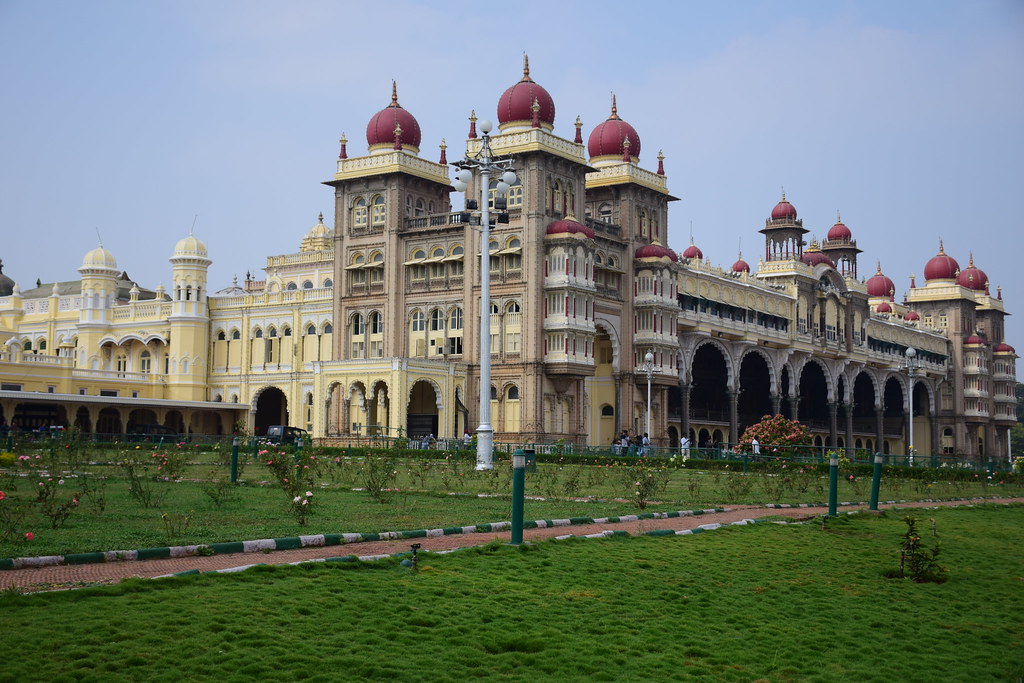
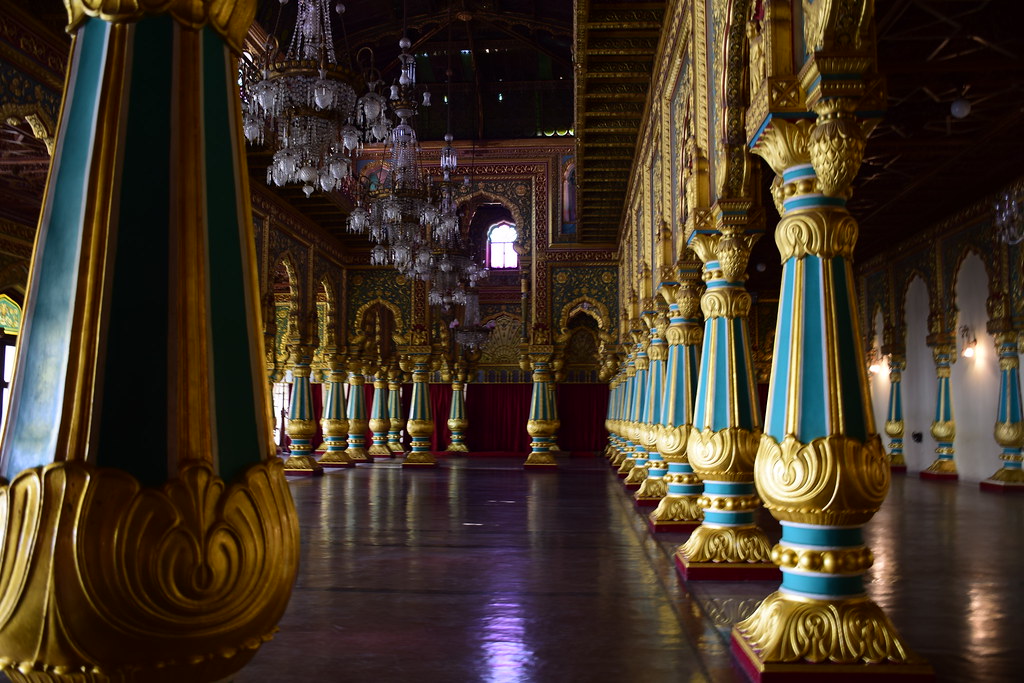
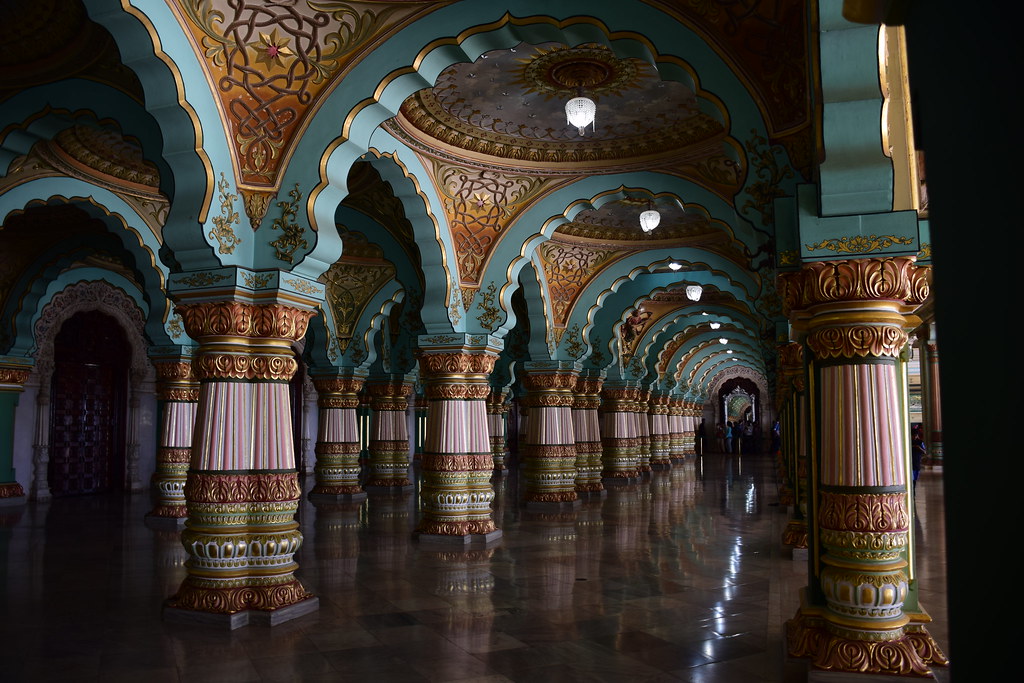
One of the most visited monuments in India — and one of the most rewarding, if you go on a Sunday evening when all 97,000 bulbs are illuminated simultaneously. The palace combines Indo-Saracenic, Rajput, and Gothic architectural styles in a blend that is entirely its own — unmistakably Mysore.
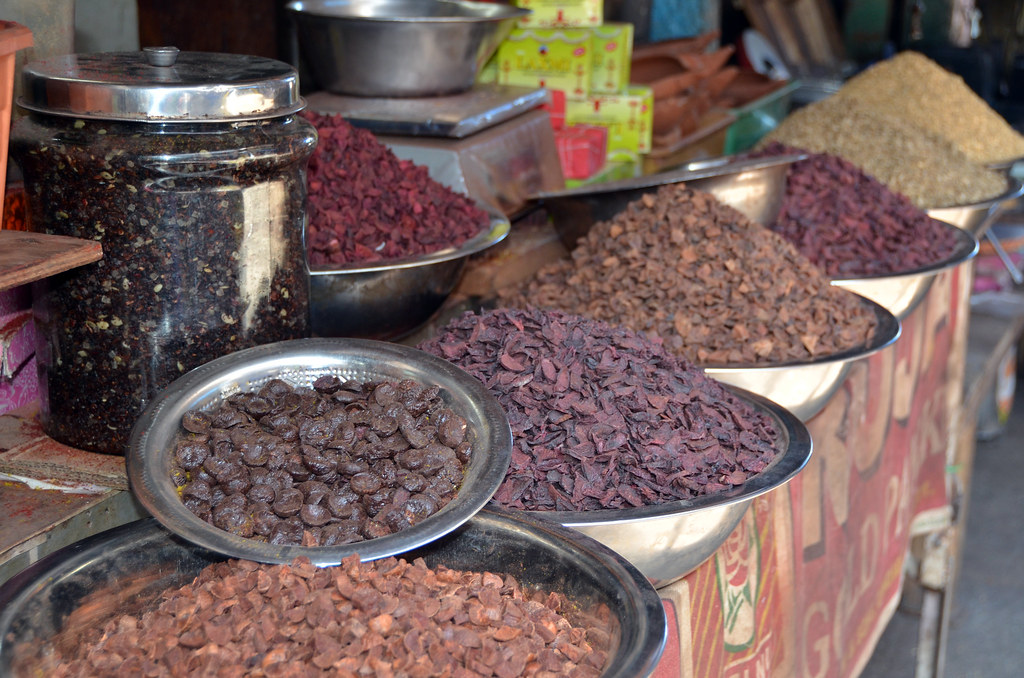
A covered market established in the 1890s — flower sellers, spice merchants, silk saree vendors, and traditional medicine stalls in a building that predates Indian independence. The flower section is extraordinary: jasmine, marigold, and rose in the quantities supplied to the palace.
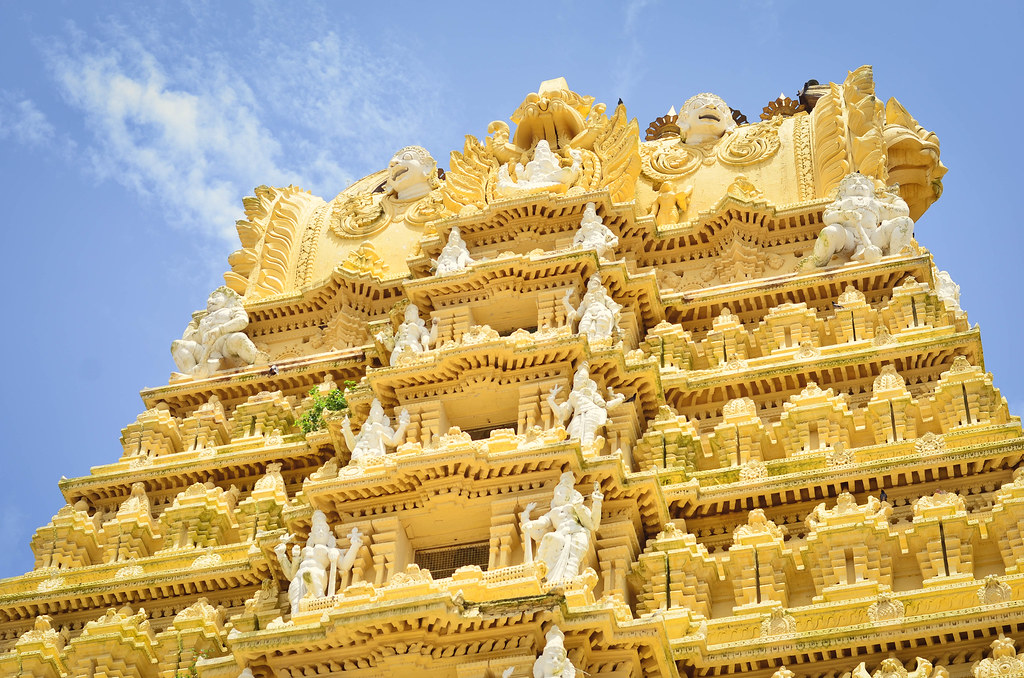
A hilltop temple on Chamundi Hill above the city — dedicated to the goddess who gave Mysore its name. The 1,000-step climb (or a drive) gives views over the entire city and the plains extending to Bangalore.
19 kilometres from Mysore at the base of the KRS Dam — formal terraced gardens with a musical fountain show in the evenings. The gardens were designed in the 1930s by British engineers; the scale is surprising.
Government-operated Mysore Silk (Karnataka Silk Industries Corporation) weaves some of India's finest silk at the factory in Mananthody Road — tours available, and the factory shop sells at fixed prices that are dramatically lower than private shops.
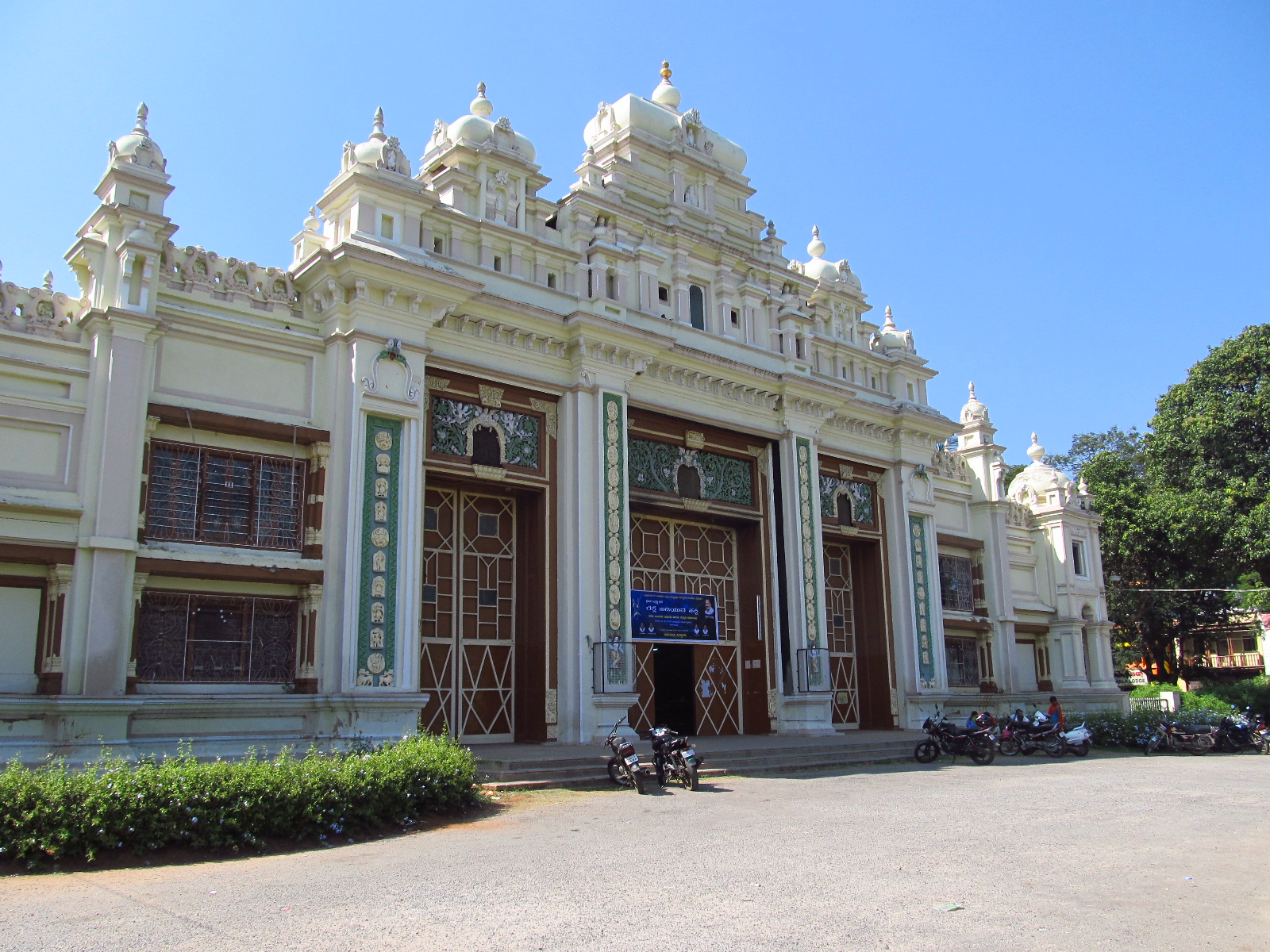
A 19th-century palace converted into an art museum — with an extraordinary collection of Mysore court paintings, ivory carvings, and musical instruments, including a decorative glass harmonium that belonged to the Maharaja. Largely overlooked by visitors focused on the main palace, and the better for it.
Things to Do
Every Sunday evening between 7pm and 7:45pm, the Mysore Palace is lit by 97,000 incandescent bulbs — an effect more powerful in person than any photograph suggests. The crowd in the palace grounds is part of the experience.
The Ashtanga Yoga Research Institute (K. Pattabhi Jois foundation) still operates in Mysore. For women spending extended time here, a week-long practice at one of the city's serious studios — many taught by KPJAYI-certified teachers — is one of India's finest yoga experiences.
Before 9am: flower sellers arranging their stocks, spice merchants grinding, the incense smoke mixing with jasmine. A guide who knows the vendors changes the experience from spectating to participating.
Ten days culminating in a royal procession from the palace on Vijayadasami — the Mysore Maharaja still rides at the head, the palace is lit every evening, and the city fills for what is considered the finest Dussehra celebration in India.
Mysore sandalwood oil is among the world's finest — the government-operated factory at Ashokapuram processes the oil and the products are available at fixed prices at the factory outlet. The process of steam distillation is fascinating.
The drive up Chamundi Hill before dawn positions you at the temple before the first pilgrims, with the city below still dark and the plains extending toward the Tamil Nadu border catching the first light. The 700-year-old Nandi bull statue carved from a single rock on the hillside road is best photographed in this early light, without the crowds that arrive by 8am.
Food to Try
Invented in the Mysore Palace royal kitchen in 1935 — a dense, ghee-soaked gram flour sweet that dissolves in the mouth. The original recipe, still made at the palace confectioners, uses pure ghee and gram flour in a ratio that has not changed since it was created.
The original — a crisp rice crepe with a spiced potato filling and a smear of red chilli chutney on the inside. Defined in Mysore and made at its best here, at the Vinayaka Mylari restaurant on Nazarbad Main Road, which has served it entirely unchanged since 1947.
A sweet Karnataka flatbread stuffed with lentil and jaggery filling — eaten at festivals and available at traditional sweets shops. The Mysore version uses chana dal and coconut in a ratio specific to Karnataka.
Mysore is serious about coffee — the Coorg and Chikmagalur regions nearby grow some of India's finest beans. The filter coffee at the old Brahmin breakfast restaurants is made with a chicory blend that is culturally non-negotiable.
Puffed rice with coconut oil, green chilli, onion, and spices — Karnataka's street food answer to Mumbai's bhel puri. Available from mobile carts throughout the city during the evenings.
The sweet was invented in 1935 by Kakasura Madappa, the palace chef — and his descendants still make it at Guru Sweet House on Sayyaji Rao Road using the original recipe. The texture is crumbly and fudge-like, with a distinct ghee flavour that shop-bought versions rarely achieve. Worth the short queue.
Places to Stay
Built in 1921 as a guesthouse for the Viceroy of India, the second-largest palace in Mysore — a white Italianate palace on a hill above the city, with grand public rooms, a croquet lawn, a pool, and views across Mysore to Chamundi Hill. An experience of colonial-era grand hotel scale that no contemporary hotel can replicate.
A colonial-era hotel from 1920, once the residence of British officers, now a well-maintained heritage property near the Mysore Palace — 30 rooms, a pool, original architectural details, and the atmosphere of a gentlemen's hotel that has survived into the contemporary era.
A contemporary boutique property in the countryside outside Mysore — a working estate with organic gardens, an Ayurveda centre, and cottages among the trees. Good food and serious spa facilities. Right for those who want Mysore access with countryside calm.
A dedicated Ayurvedic wellness retreat 8 kilometres from Mysore — 18 traditional rooms, a resident physician, and a programme built around genuine Panchakarma treatment rather than spa tourism. Guests commit to a minimum 7-day programme; the results justify it.
A legendary mid-range hotel in central Mysore, known among Indian travellers for its pure vegetarian South Indian food as much as its rooms. Old-fashioned in a good sense — clean, reliable, and honest pricing. The right mid-range choice for travellers who want to eat well without a resort bill.
For travellers extending their Mysore stay, the Coorg Wilderness Resort in Galibeedu — 80 kilometres away in the coffee estate hills — offers eco-lodges in the Western Ghats forest with wildlife walks, birding, and river access. A natural extension of a Mysore visit into one of South India's most beautiful landscapes.
Solo Female Travel
Mysore's yoga community, silk culture, and slower pace make it one of the best Indian cities for women spending a week or more. The city is familiar with long-stay foreign visitors; guesthouses and landlords in the Gokulam neighbourhood are experienced in hosting solo women for extended periods.
The yoga community has centred on Gokulam for 40 years. The neighbourhood has guesthouses, cafés, and a culture entirely oriented around practice — the safest and most convenient area for solo women doing a yoga stay.
The illuminated palace and its surroundings are active and well-lit on Sunday evenings. The city centre is comfortable for women in the early evening; after 10pm, use an app-based cab rather than walking.
Plan Your Trip
We know the Sunday palace illumination timing, the yoga studios with certified lineage, and the government silk factory tour that saves you from the commission shops. Mysore at full depth.
Start PlanningFree consultation · No obligation · Reply within 24 hours
Free Resource
Download The Essential Women's Guide to India — our free, no-fluff resource covering what to pack, what to expect, and what no travel blog will tell you. Trusted by 2,000+ women.
Prefer to speak directly? hello@roamrani.com