Kerala · Travel Guide
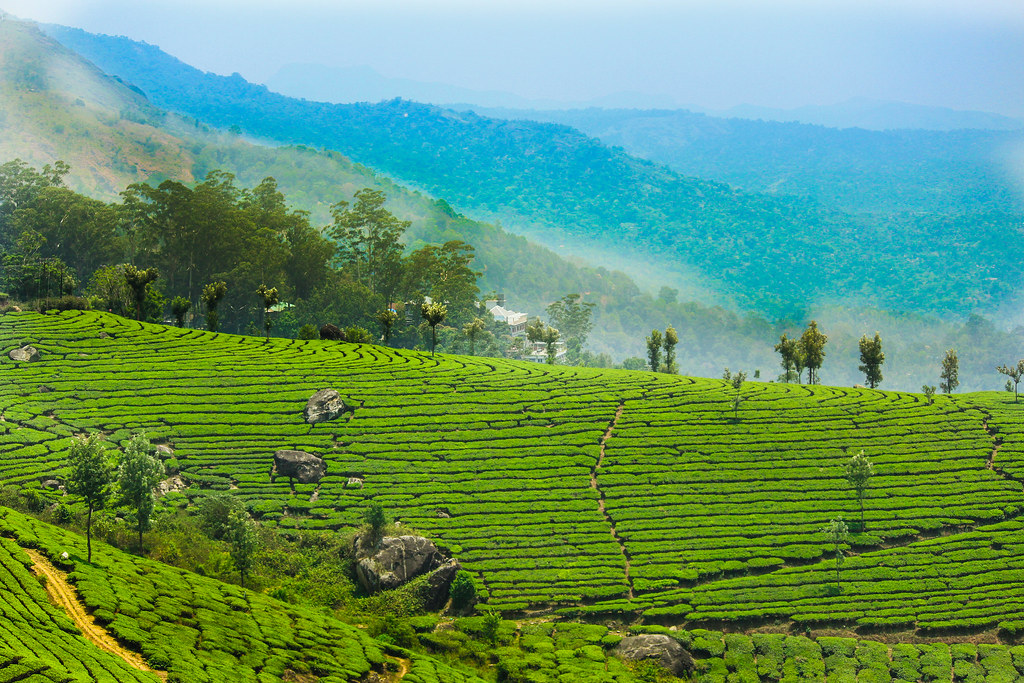
At 1,600 metres, the temperature drops enough to require a sweater at night and the air carries the sharp mineral scent of altitude mixed with tea. Plantation guesthouses, morning mist over an endless green sea of tea bushes, and a pace entirely unlike coastal Kerala.
Places to Visit
The Kannan Devan Hills Plantation — established in 1877 and still one of the largest tea estates in India — covers most of what you see from a Munnar viewpoint. The tea grows in rows that follow the contour of every hillside, uninterrupted for kilometres.
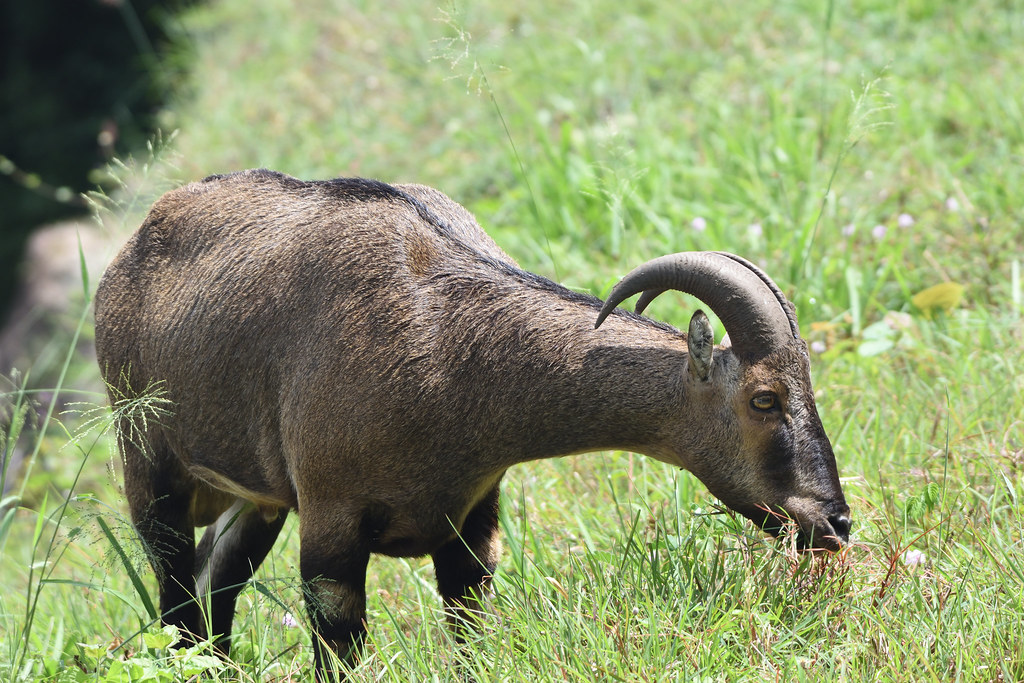
Home to the Nilgiri tahr — an endangered mountain goat found only in the Western Ghats — and a high-altitude grassland ecosystem that blooms into neelakurinji flowers every 12 years (next: 2030). The park also contains the dramatic Rajamala peak.
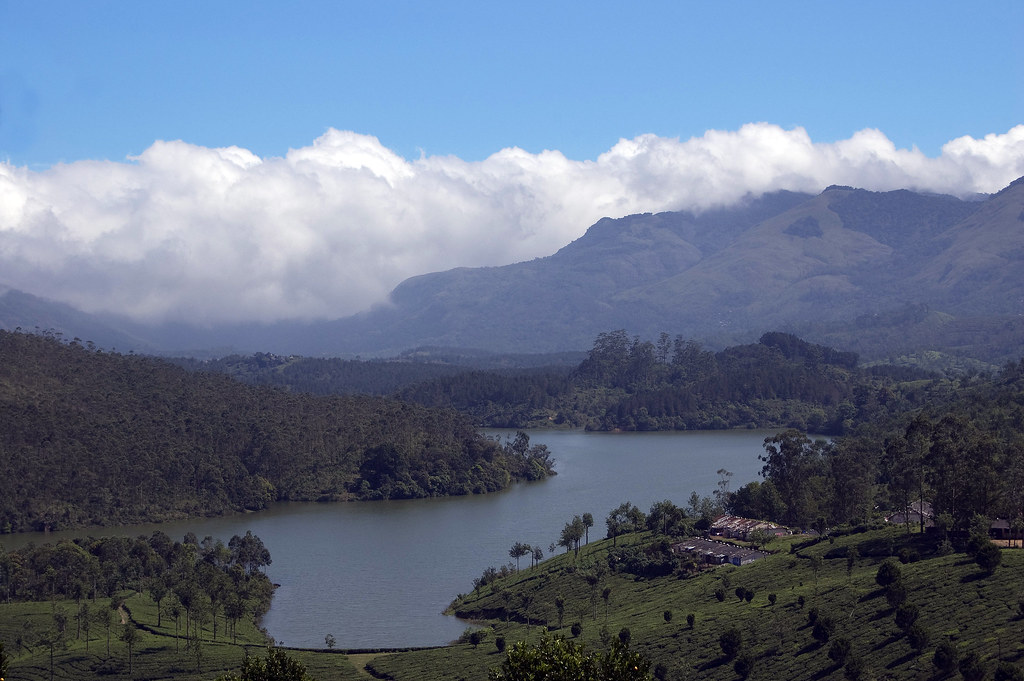
13 kilometres from Munnar town: a reservoir surrounded by tea estates and grassland, with views that extend to the Tamil Nadu border. Boat rides available; the drive around the lake through plantations is one of Kerala's finest.
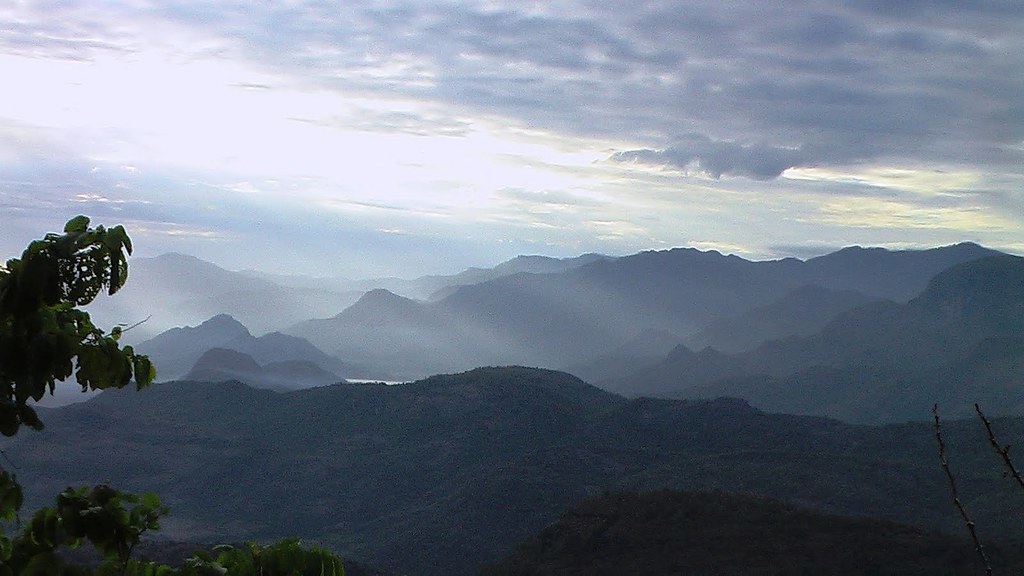
32 kilometres from Munnar at 1,800 metres — the highest point in the region, with views across the Rajamala range into Tamil Nadu. The drive through cloud-level plantations is the point; arrive before 8am before the mist burns off.
A dry deciduous forest on the rain shadow side of Munnar — home to elephants, leopards, spotted deer, and a critically endangered population of grizzled giant squirrels. Guided trekking permits required.
20 kilometres from Munnar on the Rajakkad road: a mountain pass at 1,680 metres where the wet Western Ghats meet the dry Chinnar forest — the landscape on both sides of the gap is entirely different in colour and texture. Best in the early morning before cloud fills the valley below; a genuinely undervisited viewpoint that requires no trekking.
Things to Do
Walking the estate paths with someone who understands the plants — which cultivar grows on which elevation, why the same hillside produces different flavour profiles, how the picking is done by hand. The experience of tea at a genuinely human scale.
The KDHP Tea Museum in Munnar offers a structured tasting — the difference between estate teas grown at different elevations is real and learnable in a 30-minute session. The museum also explains the history of colonial-era plantation agriculture.
The park's main trail runs through prime tahr habitat — groups of 20-50 animals are regularly seen near the road. Early morning entry (6am) gives the best light and the animals before they move to higher ground.
Bicycles available from Munnar town — the roads through the plantation are metalled, mostly quiet, and frequently spectacular. A 20-kilometre loop through the Devikulam estates fills most of a leisurely morning.
Staying on the estate rather than in Munnar town changes the experience entirely — waking at 6am to a veranda view of mist lifting from the tea, picking your own cup's worth of leaves before breakfast. Several estates now offer heritage accommodation in planter-era bungalows.
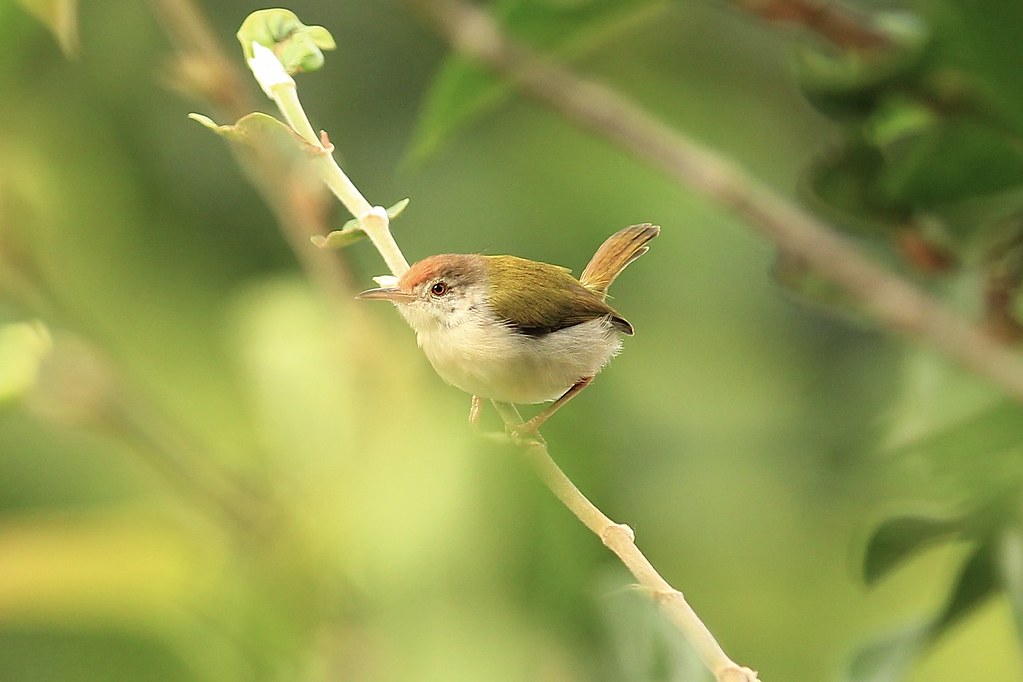
The national park trail from 6am is one of South India's finest birdwatching routes — the Nilgiri pipit, black-and-orange flycatcher, Nilgiri laughingthrush, and Indian blackbird are all resident. A birding guide hired through the park office converts a morning walk into an ornithological experience, with binoculars revealing detail that passes most walkers by.
Food to Try
Brewed at the estate where it was picked — stronger, more complex, and more aromatic than boxed tea. The KDHP shop sells estate teas by variety; a packet bought here is the most Munnar-specific souvenir available.
The Kerala parotta — layered, flaky, made with maida — with a slow-cooked beef curry using the Kerala-specific mix of whole spices. Available at the roadside restaurants in Munnar town; one of Kerala's most satisfying meals.
The Kerala breakfast — steamed rice flour cylinders with black chickpea curry — eaten in the cool morning air of a hill station with mist outside the window. The contrast of hot food and cold air makes it perfect.
Several estate guesthouses and boutique shops in Munnar produce handmade chocolates using Kerala-grown cocoa — cardamom-flavoured, pepper-infused, ginger-spiced. Unusual and genuinely very good.
South Indian filter coffee at 1,600 metres in a steel tumbler — the altitude somehow makes it better. The breakfast stalls in Munnar town open at 6am and serve it correctly.
A thick, slightly fermented rice pancake cooked in a small clay pot — a traditional Munnar hill-station breakfast, different from the coastal appam in its denser texture and sourdough character. Made at the plantation guesthouses from locally milled rice; unavailable at the tourist-facing restaurants in Munnar town, which is reason enough to stay on the estate.
Places to Stay
A tea plantation estate in the High Range hills, 3 kilometres from Munnar town — colonial-era bungalows scattered across a working tea estate, with misty valley views, plantation walks, and a level of calm that the town itself cannot offer. One of the finest hill-station stays in South India.
A boutique property inside the tea gardens above Munnar — thoughtfully designed rooms with panoramic tea estate views, good Kerala food, and access to the plantation without the scale of a large resort. Consistently well-reviewed for its authenticity and service.
A small eco-conscious retreat in the eucalyptus forests above Munnar — 14 rooms, a pool with valley views, and a kitchen that uses produce from the surrounding land. Quiet, unpretentious, and genuinely good value for the setting.
A mid-range resort in the hills outside Munnar with valley-facing cottages, Ayurvedic treatments, and a working kitchen garden. Good food, good service, and a location that is genuinely in the countryside rather than the town outskirts.
A budget hostel in Munnar town — clean, social, and the right base for travellers on the Kerala circuit who want a bed and breakfast without the resort pricing. Good for connecting with other travellers on the Munnar-Alleppey-Kochi route.
A resort in the rainforest above Munnar — Kerala-style cottages among ancient trees, a pool, nature walks, and a kitchen that uses produce from the surrounding estate. Quieter and more forested than the tea-estate properties; the right choice for those who want Munnar's wildlife and forest rather than its agricultural landscape.
Solo Female Travel
The plantation setting, the absence of large-scale tourism, and the Kerala-wide culture of safety for women make Munnar one of the most relaxed destinations in South India. Women travelling solo consistently rate it highly.
Munnar town has grown fast and is not particularly attractive. Staying at a plantation guesthouse — outside the town, on the estate — gives you the experience the town promises but doesn't deliver. The logistical step of arranging transport is worth it.
Driving in Munnar requires caution — the estate roads are single-lane, fog is common in the mornings, and the altitude makes overconfident driving hazardous. Having a driver familiar with the mountain roads is strongly recommended.
Plan Your Trip
We know the plantation guesthouses that open their veranda at dawn, the estate walks with workers who understand the tea, and how to combine Munnar with Alleppey or Kochi for a complete Kerala circuit.
Start PlanningFree consultation · No obligation · Reply within 24 hours
Free Resource
Download The Essential Women's Guide to India — our free, no-fluff resource covering what to pack, what to expect, and what no travel blog will tell you. Trusted by 2,000+ women.
Prefer to speak directly? hello@roamrani.com