Himalayas · Travel Guide
The most accessible Himalayan entry point — apple orchards heavy with fruit in September, cedar forests that smell of resin, and Rohtang Pass delivering full Himalayan views as a day trip. The right choice for combining mountain landscape with the cultural depth of Himachal Pradesh.
Places to Visit
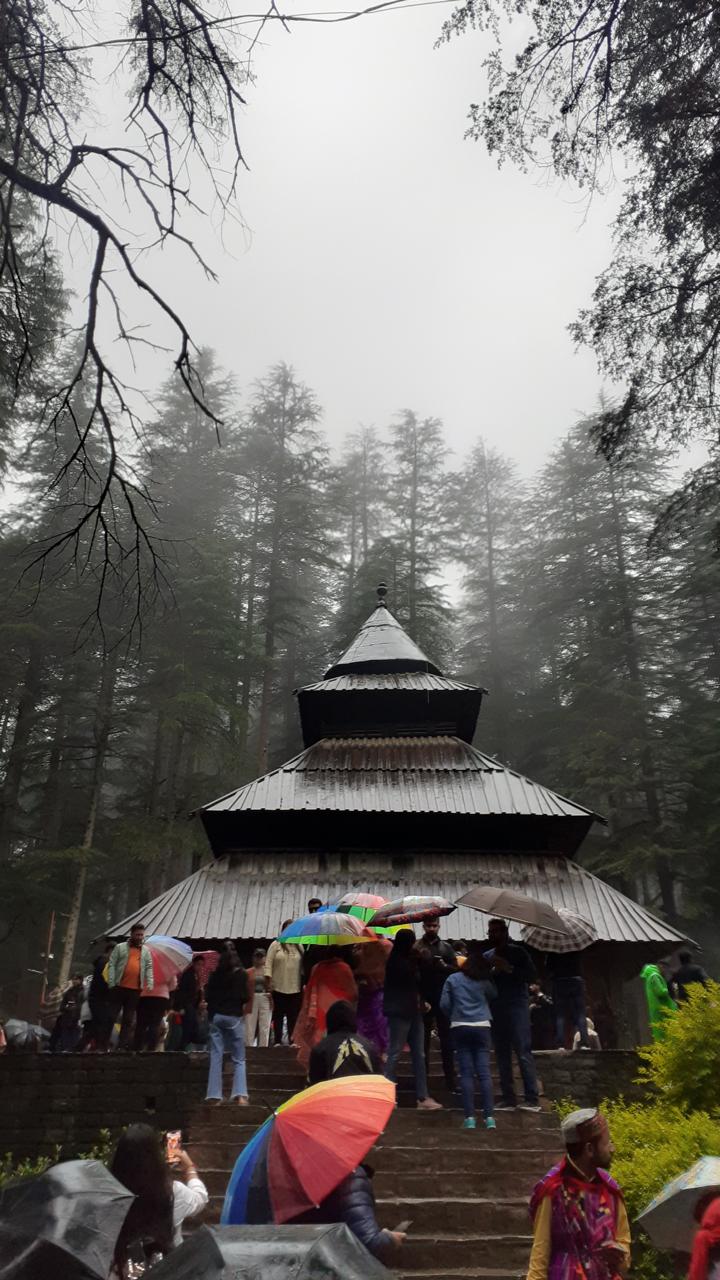
A 1553 wooden temple in the Dhungiri forests above Old Manali — built over a cave that contains a footprint of the goddess Hadimba, dedicated in the Mahabharata. The four-tiered pagoda roof is one of the finest surviving examples of Himachali temple architecture.
The village above the main bazaar — narrow lanes, stone houses, small guesthouses, and the Manu Temple. The atmosphere is entirely different from the commercial town below; the people who live here have been rooted here for generations.
An ancient stone temple in the heart of Old Manali dedicated to the sage Manu — said to be the only temple in the world consecrated to him. Reached by a short uphill walk through Old Manali's lanes, it is a quiet, atmospheric spot above the bustle of the bazaar.
51 kilometres from Manali: a high mountain pass giving access to the Lahaul and Spiti valleys, with snow year-round and views of the Chandra-Bhaga range. Accessible as a day trip; permits must be obtained in Manali.
The world's longest highway tunnel above 10,000 feet — 9.2 kilometres through the Rohtang ridge, connecting Manali to the Lahaul Valley in all weather. Before it opened in 2020, the valley was snowbound and cut off each winter for months. Drive through it and you emerge into an entirely different landscape: the dry, high-altitude terrain of Lahaul.
The first village you reach after exiting the Atal Tunnel into Lahaul — a flat-bottomed valley at 3,100 metres with a lake, a waterfall visible from the road, and the snow-covered Lahaul peaks all around. Often visited as a day trip from Manali now that the tunnel makes it accessible year-round.
A small checkpoint village at the entry to Lahaul-Spiti, sitting at the confluence of the Chandra and Spiti rivers. It marks the transition from the green Kullu Valley world to the stark, treeless high-altitude landscape of Spiti — a visible geographical and cultural boundary.
14 kilometres north of Manali at 2,480 metres — a wide mountain meadow with views of glaciers and snowfields. In winter: skiing and sledging. In summer: paragliding and hiking. One of Himachal's most accessible open high-altitude landscapes.
3 kilometres from Old Manali: a village with a sulphur spring that feeds two stone bathing tanks — one for men, one for women — beside a 4,000-year-old Vashisht Rishi temple. The women's tank is enclosed and private. After a cold morning in the mountains, it is precisely as restorative as it sounds.
A 160-foot waterfall reached by a 3-kilometre trail from Vashisht village through forest and terraced fields — a 1.5-hour return walk that most Manali visitors miss entirely. The trail passes working apple orchards and offers views of the Beas Valley below.
21 kilometres south of Manali — a 15th-century castle built by Raja Sidh Singh, now a heritage hotel, with a museum and views of the Kullu Valley.
Located at Naggar, 21 kilometres south of Manali: the former estate of Russian artist Nicholas Roerich holds a significant permanent collection of his Himalayan landscape paintings. The house itself, set in terraced gardens above the Kullu Valley, is as worth seeing as the art.
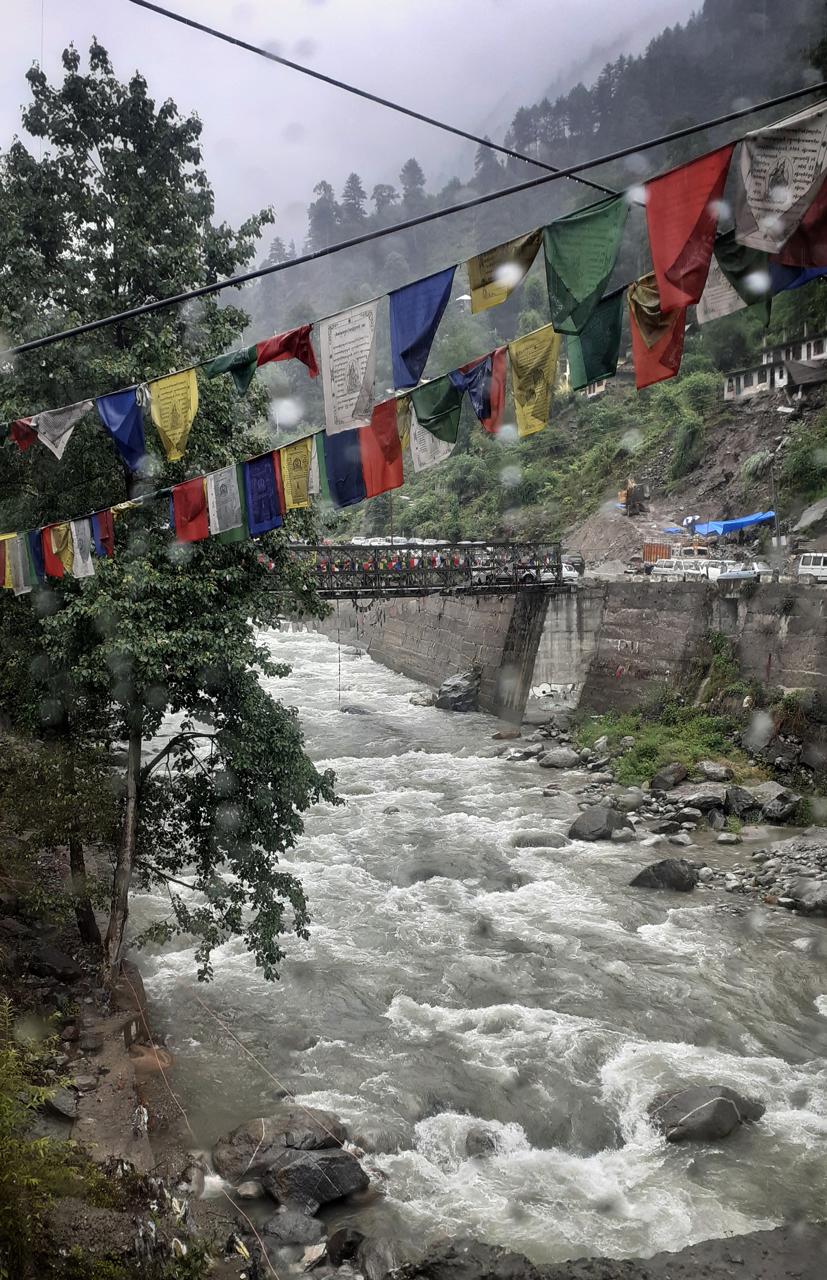
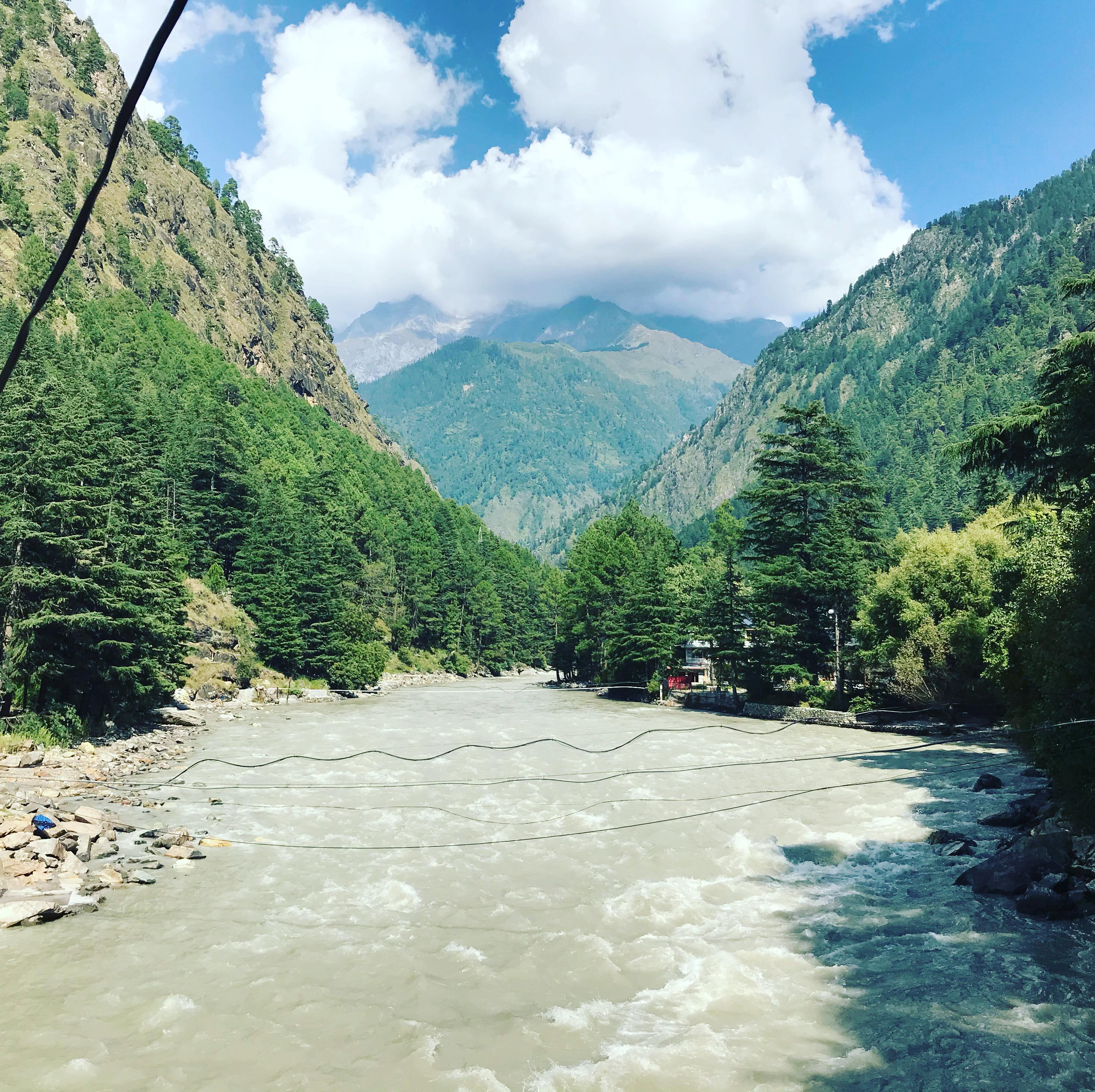
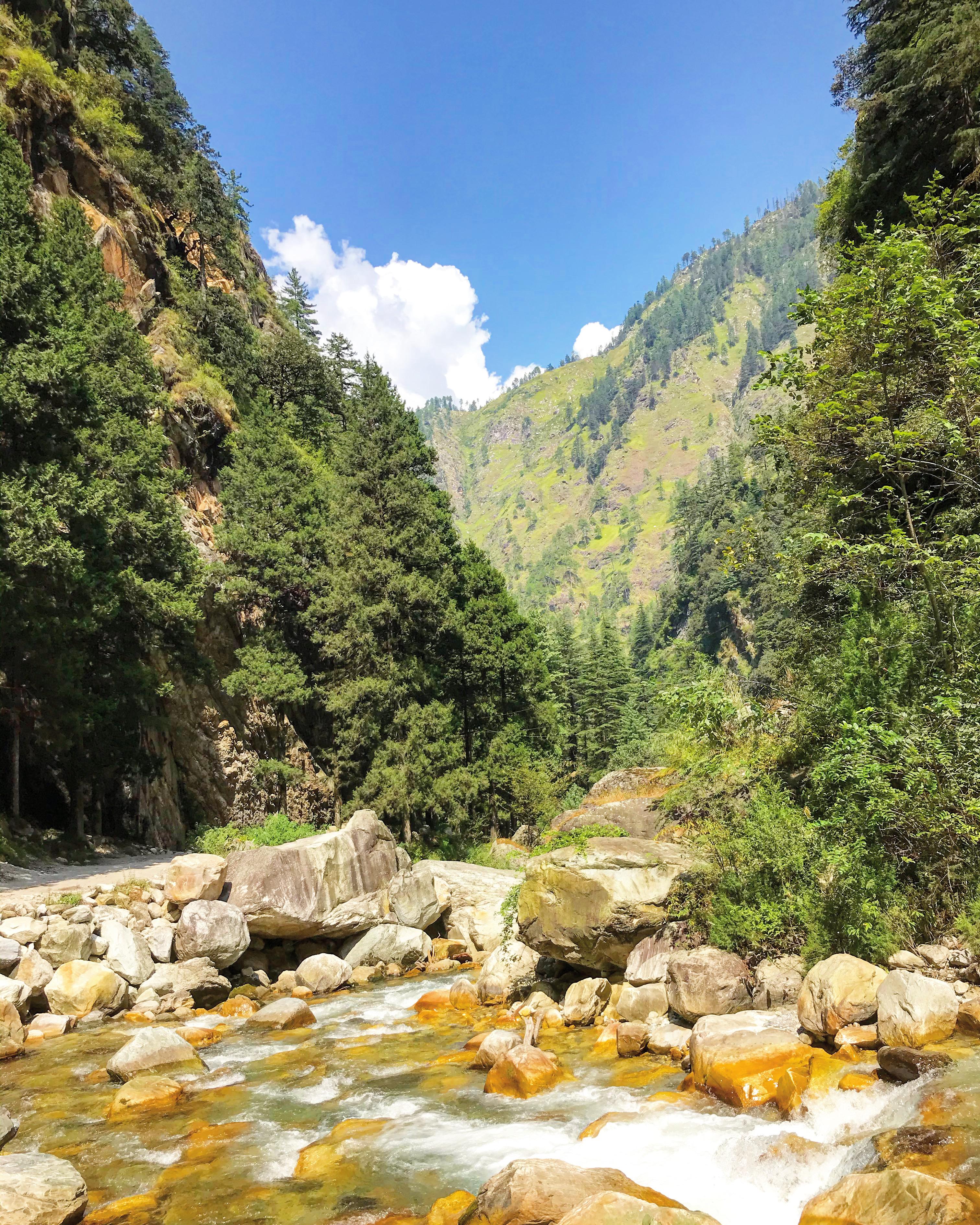
A small village in the Parvati Valley, 76 kilometres from Manali — the base camp for treks to Kheerganga, Tosh, and Malana, and a well-established stop on the Himachal backpacker trail. The Parvati River here is cold and fast, and the valley is lined with pine forest.
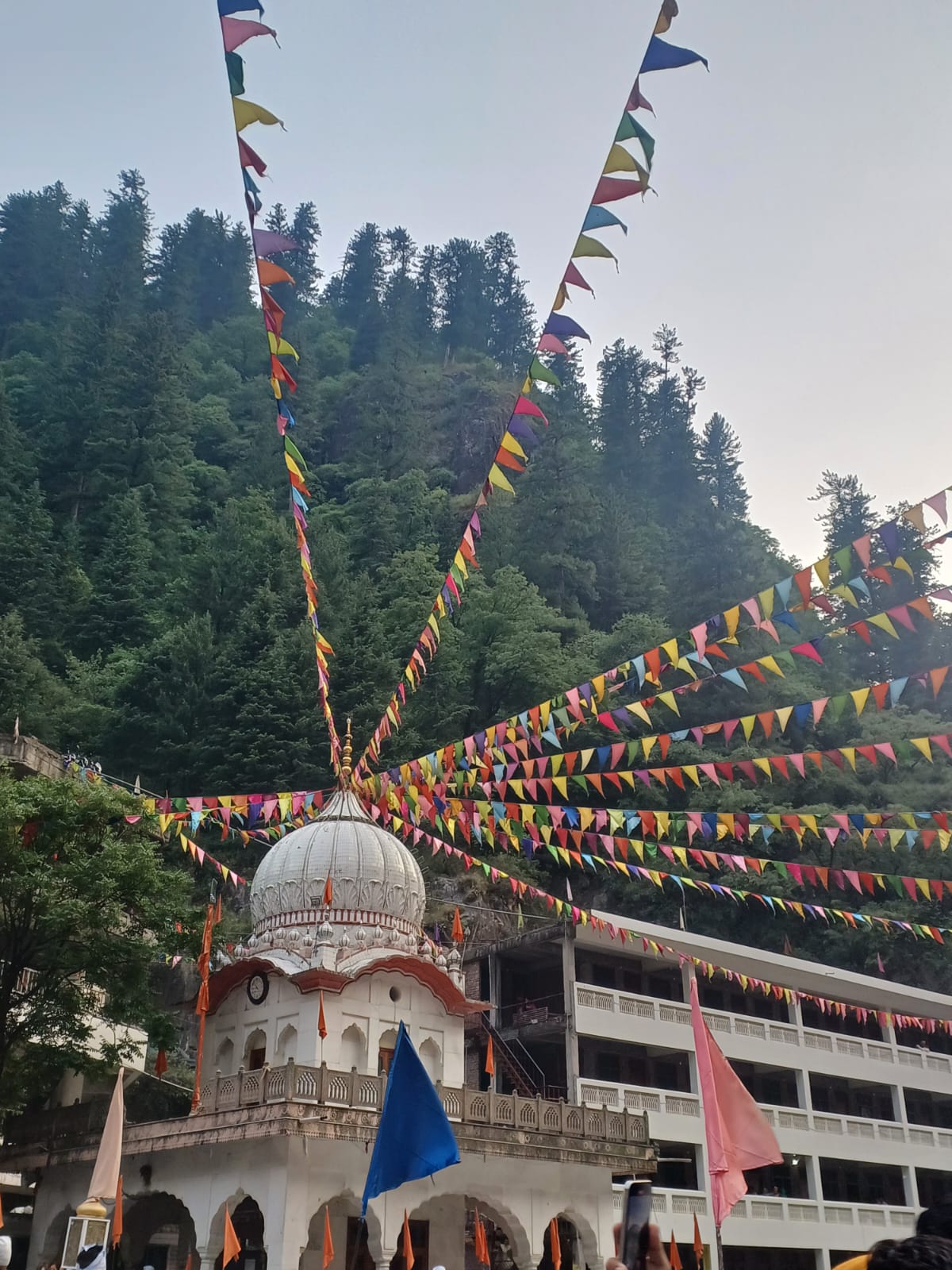
A Sikh gurudwara and Hindu temple complex in the Parvati Valley at a geothermal spring — the langar (free community kitchen) cooks in the boiling spring water. One of Himachal Pradesh's most unusual and significant religious heritage sites, 80 kilometres from Manali.
A remote village at the head of the Tosh Valley, reached by a 2-kilometre walk from the road-end at Barshaini. At 2,400 metres, with a view of the Tosh Glacier above and the Parvati Valley below, it is one of the finest easily accessible viewpoints in Himachal Pradesh.
An isolated village above the Malana Nala, accessible only on foot — the community has maintained its own legal and social system for centuries, distinct from the surrounding Kullu Valley. The 5-kilometre walk from the trailhead passes through dense forest and delivers you into a village unlike any other in India.
Things to Do
Tandem paragliding with a certified instructor from Solang or Dobhi — a 15-minute flight over the Beas Valley with views of the Kullu range. One of north India's most accessible adventure sport experiences.
Grade 2-3 rafting on the Beas between Pirdi and Jhiri — a 14-kilometre stretch with consistent rapids and mountain scenery. Best in May-June and September when snowmelt keeps the water running high.
The slopes above Old Manali are covered in apple orchards that ripen in September — walking through laden trees in mountain air, with the valley below, is a distinctly Himachali experience unavailable at any other point in the season.
80 kilometres from Manali in the Parvati Valley — a Sikh gurudwara and Hindu temple complex at geothermal springs that are genuinely very hot. The langar (free community kitchen) cooks in the spring water. One of Himachal Pradesh's most unusual religious heritage sites.
The ski slopes at Solang Valley are Himachal's most accessible — equipment rental on site, beginner instruction available, and the scenery of the Kullu Valley below. Not at Gulmarg's technical level, but far more accessible to first-timers.
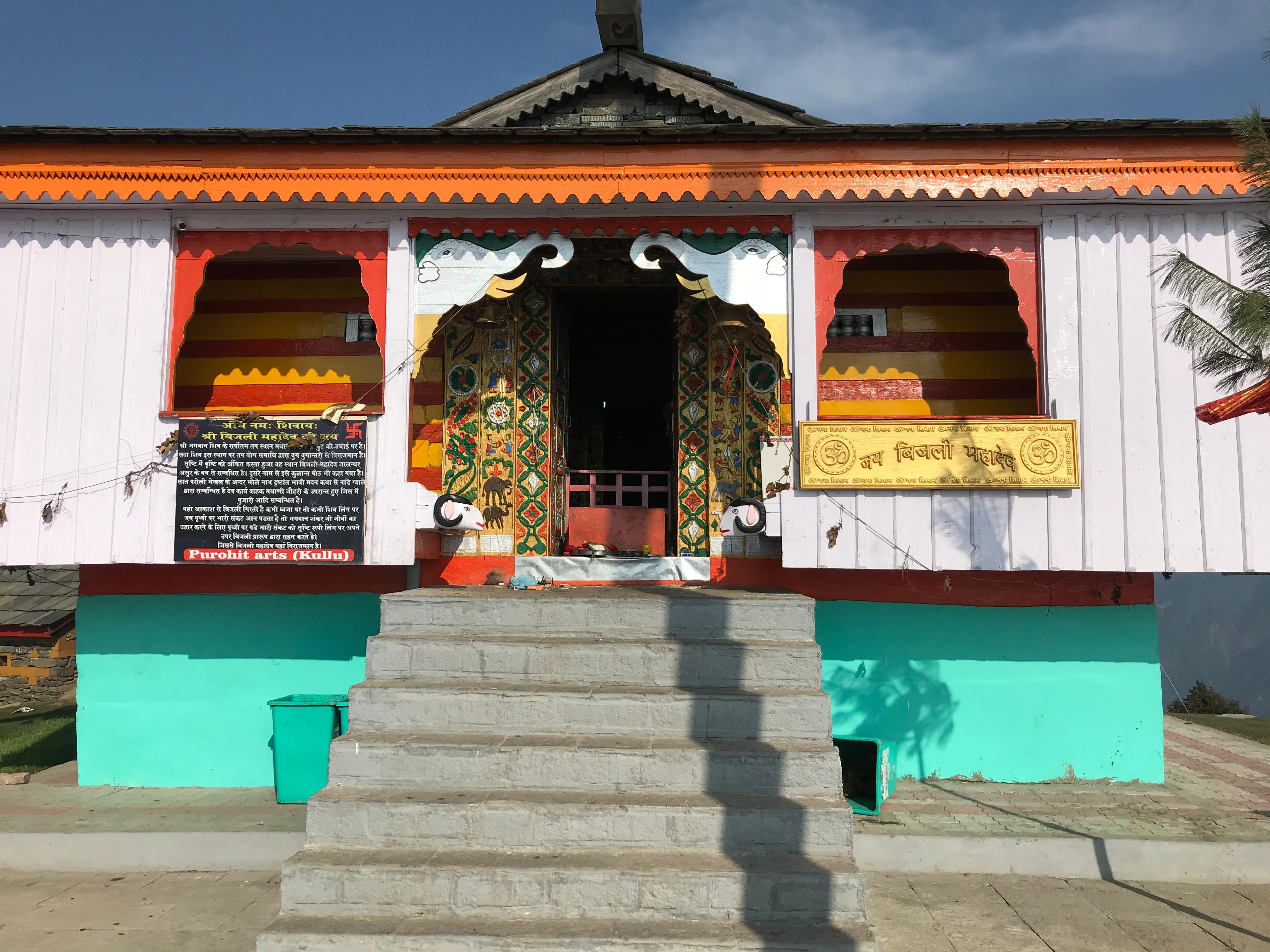
20 kilometres south of Manali via Kullu: a 2.5-kilometre uphill trail through pine forest to a hilltop temple at 2,460 metres, with a panoramic view of the Kullu, Parvati, and Beas river valleys. The 20-metre wooden staff (danda) at the temple is said to attract lightning; it is reassembled by priests after each strike. A full-day journey with the kind of view that makes every step worthwhile.
A 12-kilometre return trail from Barshaini in the Parvati Valley, climbing 1,000 metres through pine and birch forest to a high-altitude meadow with a natural hot-spring pool and views of the Parvati peaks. One of Himachal's most rewarding day or overnight treks — the combination of forest, altitude, and a hot spring at the top is hard to match anywhere in the Himalayas.
Food to Try
The Himachali festive meal — a multi-course vegetarian feast served on leaf plates at traditional gatherings, with madra (chickpeas in yoghurt sauce), mah (black lentils), and khatta (sweet-sour kaddu). Available at heritage restaurants in Kullu and Manali during local festivals.
Manali's mountain streams and the Beas produce some of India's finest freshwater trout — farmed and wild, served grilled or in a light gravy at the restaurants in Old Manali. A distinctly Himalayan dish unavailable in any of the plains.
The Tibetan kitchen has been present in Manali since the 1950s — the thukpa and momos at the Old Manali guesthouses are as good as those in Leh, and the altitude context makes them appropriate right through the year.
Manali apple juice, apple cider vinegar, and dried apple rings from the local orchards — sold at roadside stalls throughout the Kullu Valley in September and October. The juice pressed fresh at the orchard is the ultimate reference standard.
A Himachali stuffed bread — wheat dough filled with black lentil paste and deep fried, served with tamarind chutney. The local answer to the kachori, found at breakfast stalls in Old Manali from 7am each morning.
A thick pancake made from buckwheat flour — the traditional Lahauli crop grown above the apple line — cooked on an iron griddle and served with ghee and honey. Available at the Old Manali guesthouses that source their flour from Lahaul farmers; the nutty, slightly bitter flavour is distinctly Himalayan and entirely absent from the plains.
Places to Stay
A luxury riverside resort in the Kullu Valley, 50 kilometres south of Manali on the Beas River — the most refined hotel in the valley, with river-facing suites, a spa, and grounds that manage to feel remote despite the Manali road proximity. One of Himachal Pradesh's finest resort properties.
A mountain property near Solang Nullah, 14 kilometres north of Manali — ski access in winter, meadow trekking in summer, and a location that keeps you away from Manali's main market while giving you Rohtang Pass access from the door.
A colonial-era property in Old Manali with a famous garden restaurant — the landmark mid-range choice in Manali, with apple orchards, a vegetable garden, and the kind of slow-travel atmosphere that Old Manali's lanes are built for. Often full; book ahead.
A well-run social hostel in Old Manali — the right base for backpackers, solo travellers, and those on the Manali-Leh highway who want a community and a comfortable bed before a hard road. Good for connecting with trekking partners and getting accurate trail conditions.
A reliable mid-range hotel in Manali town with mountain views, comfortable rooms, and good valley food — honest value for those who want a proper hotel base without Old Manali's bohemian character or Span's luxury pricing.
For travellers extending their Manali stay into the Kinnaur valley, the Banjara Camp in Sangla — 200 kilometres east — offers riverside tented accommodation in one of the Himalayas' most beautiful apple-orchard valleys. Traditional Kinnauri wooden architecture surrounds the camp; the Baspa River runs alongside.
Solo Female Travel
Main Manali — the commercial town — is busy, loud, and not particularly pleasant. Old Manali (above, reached by a 20-minute walk) is quieter, has better guesthouses, and is significantly more comfortable for solo women. Stay in Old Manali.
The forest above the Hadimba Temple is well-used by local families, monks from nearby monasteries, and travellers. It is safe to walk alone in the daytime. After dark, stick to the lit lanes of Old Manali.
Paragliding and rafting operators in Manali vary significantly in the quality of their safety protocols. Ask to see certifications, check the equipment, and use operators recommended by your guesthouse or by RoamRani rather than touts on the main bazaar.
Plan Your Trip
We know the Old Manali guesthouses worth staying at, the certified paragliding operators, and how to time a Manali trip with the apple harvest or the Rohtang snow. A Himalayan introduction done properly.
Start PlanningFree consultation · No obligation · Reply within 24 hours
Free Resource
Download The Essential Women's Guide to India — our free, no-fluff resource covering what to pack, what to expect, and what no travel blog will tell you. Trusted by 2,000+ women.
Prefer to speak directly? hello@roamrani.com