Himalayas · Travel Guide
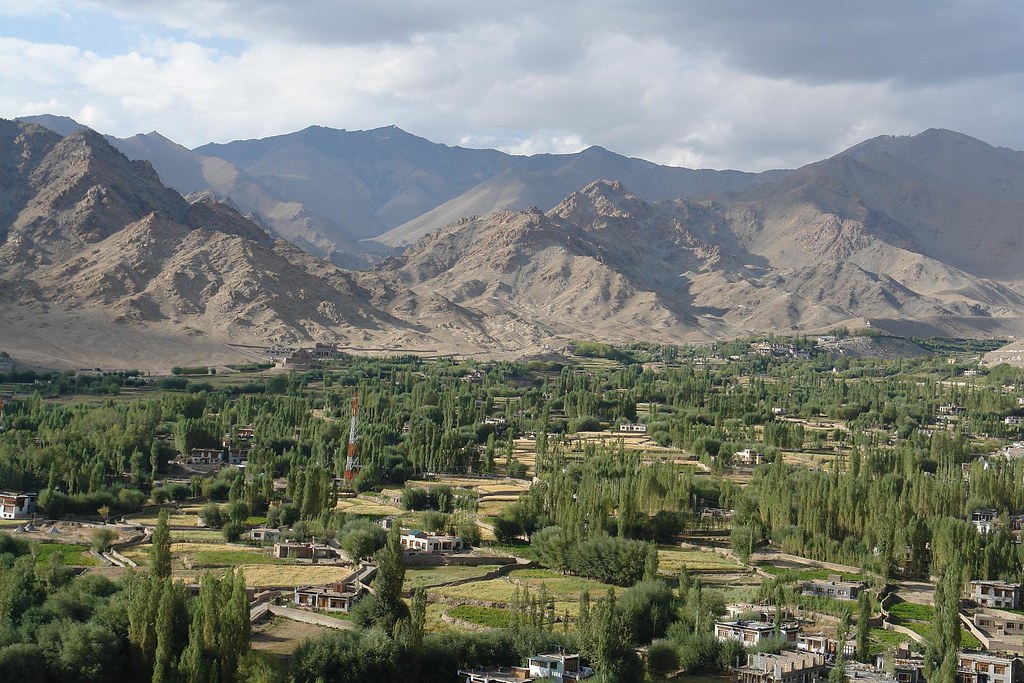
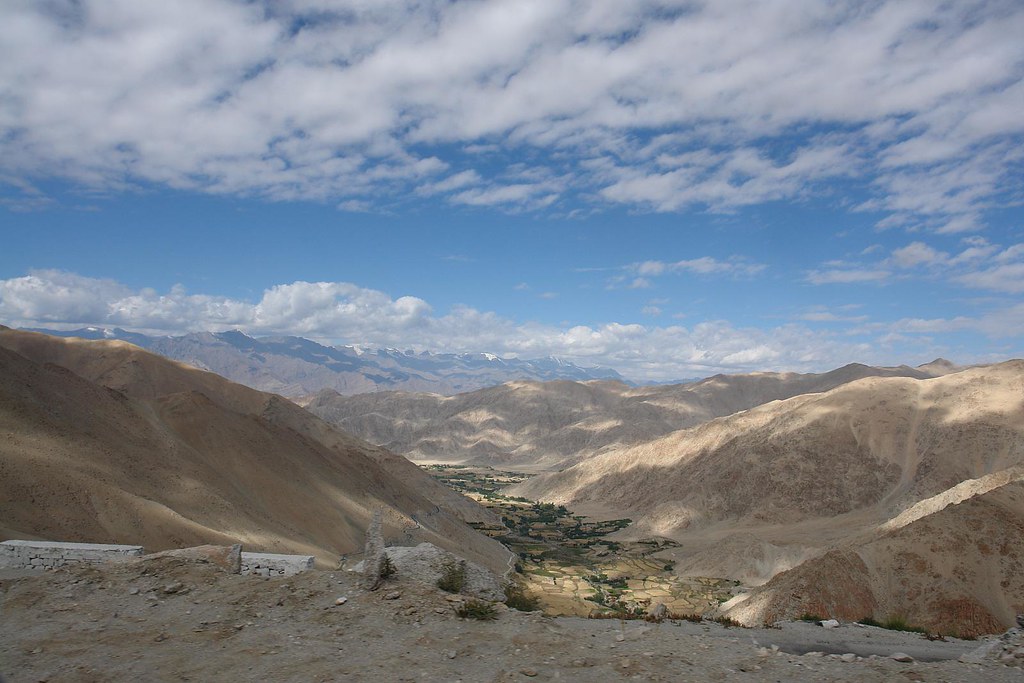
Pangong Lake at 4,350 metres, living monasteries where morning puja begins before sunrise, the silence of the Nubra Valley, and a cold desert landscape unlike anywhere on earth. Ladakh is India's most remote and most rewarding destination for women who want to go further.
Places to Visit
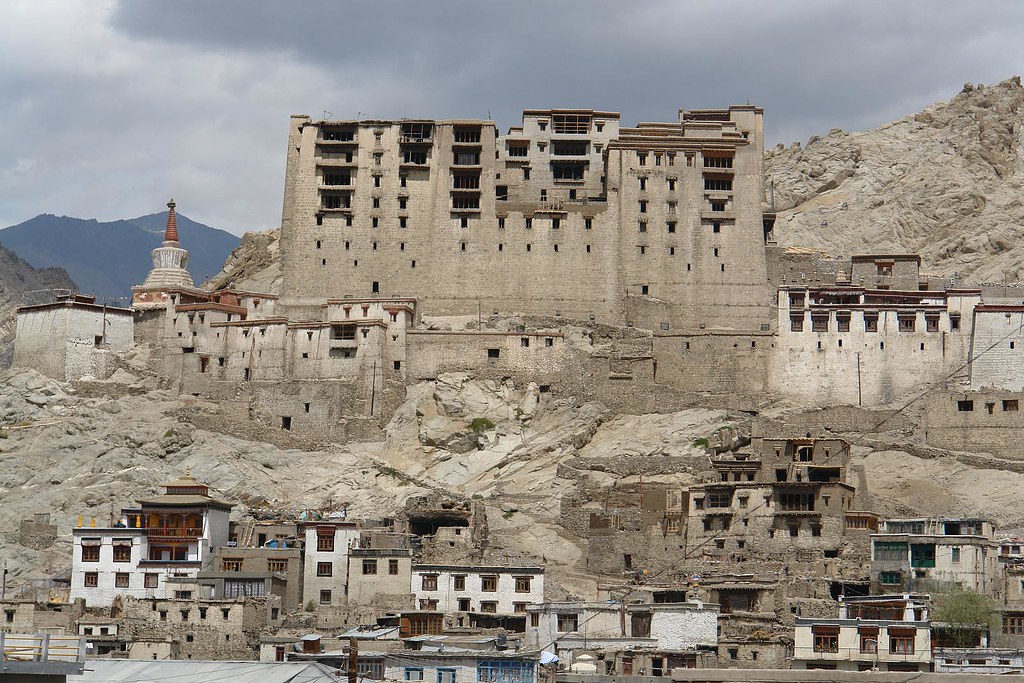
A nine-storey royal palace built in the 17th century on a ridge above Leh — modelled on the Potala Palace in Lhasa, with views across the Indus Valley to the Stok Kangri range. Now partially a museum, it is the defining landmark of the city. Best explored in the early morning before tour groups arrive.
A white Buddhist stupa on a hill above Leh — reached by 500 steps from the city, with a 360-degree view of the Indus Valley, the Stok Kangri range, and the city spread below. Built by Japanese Buddhist monks in 1991. Best at sunrise and sunset, when the mountains turn orange and the valley fills with light.
A museum maintained by the Indian Army at the entrance to Leh, honouring soldiers who served in the Kargil War (1999) and the Siachen Glacier. Well-curated displays on the military history of Ladakh, high-altitude warfare, and the geography of the region — a sobering and important counterpart to the landscape visits.
The main bazaar in the heart of Leh — a compact stretch of shops selling Tibetan handicrafts, local pashmina, turquoise and coral jewellery, dried apricots, and tsampa. The old market lanes behind the main street are quieter and more interesting. The best place to buy supplies for a Nubra or Pangong trip, and excellent for people-watching in the evening.
The wealthiest and largest monastery in Ladakh — home to the Hemis Festival (June-July), when the monastery's thangka painting is unfurled from the main wall and monks perform cham dance for three days. The only day each year when the full thangka is displayed. The monastery museum holds a remarkable collection of thangkas, gold stupas, and ritual objects.
A 12-storey monastery complex rising above the Indus Valley — the most visually dramatic in Ladakh. Morning puja at 6am, when the horns and drums begin before the sun clears the valley walls, is one of the most spiritually affecting experiences in all of India. The monastery also contains a 15-metre Maitreya Buddha, the largest in Ladakh.
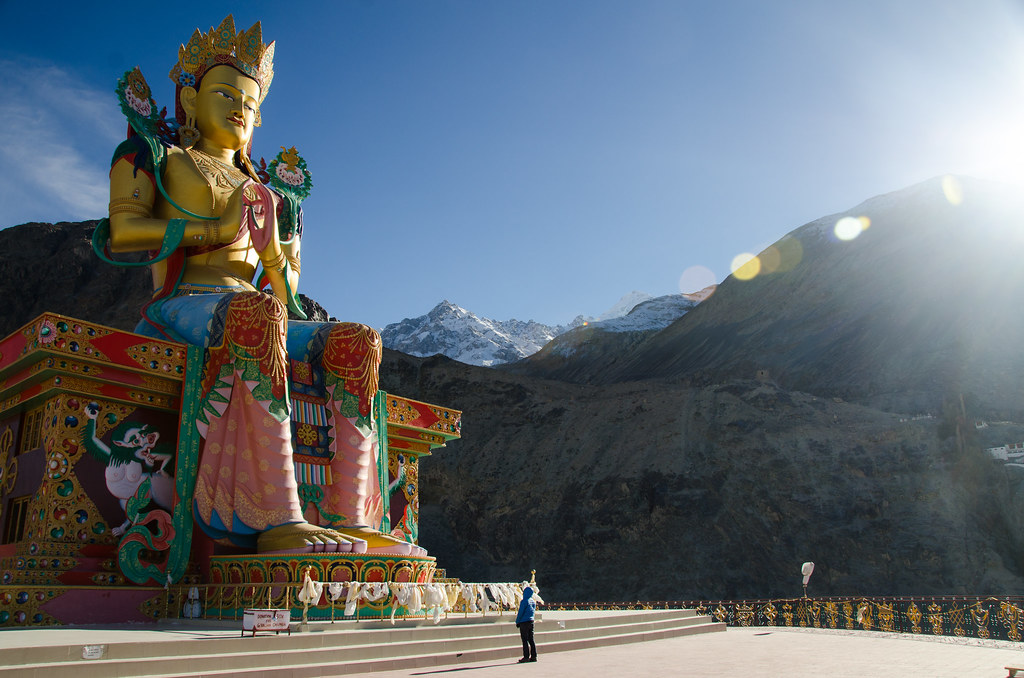
A 350-year-old monastery in Nubra Valley with a 32-metre Maitreya Buddha statue facing toward Pakistan — the landscape here, with sand dunes and 7,000-metre peaks and prayer flags, is unlike anywhere else in India. The monastery's inner sanctum contains a collection of demonic heads said to ward off a Mongol invader who threatened Ladakh centuries ago.
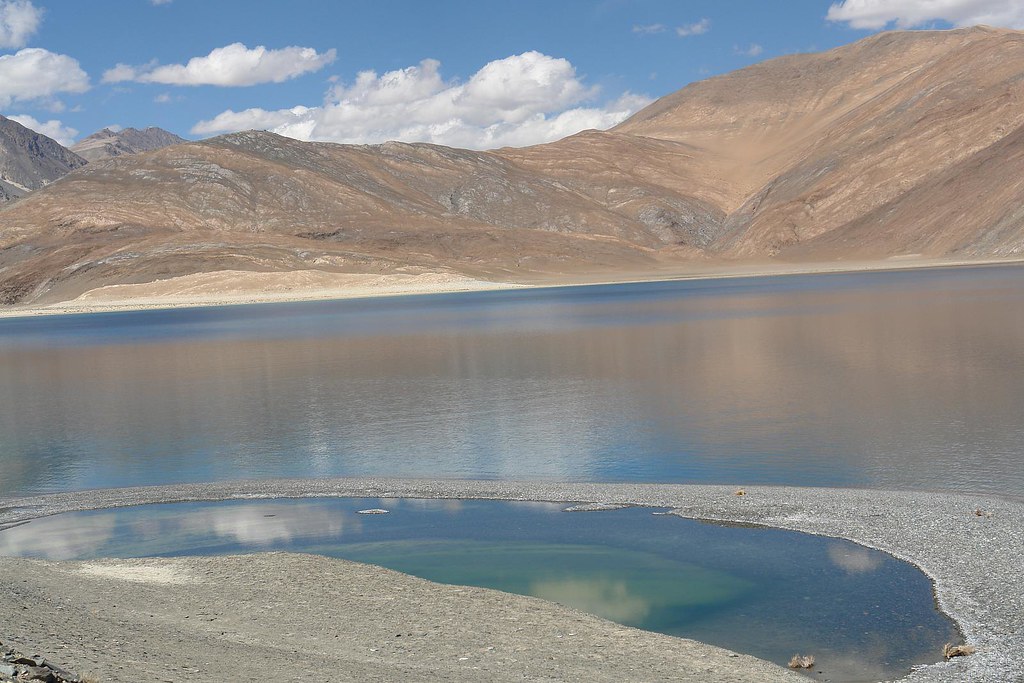
A 134-kilometre glacial lake at 4,350 metres, extending into Tibet — its colour shifts from deep blue to turquoise to green with the light, the mountains on the Tibetan side turning from brown to purple after dark. Inner Line Permit required. The drive from Leh via Chang La pass (5,360m) is itself an extraordinary high-altitude journey of five hours each way.
A high-altitude lake at 4,522 metres in the remote Changthang plateau — less visited than Pangong and considerably more wild. The lake is 28 kilometres long and ringed by peaks exceeding 6,000 metres. The Changpa nomads graze their pashmina goats and yaks on its shores. Inner Line Permit required; best reached via a dedicated two-day loop from Leh.
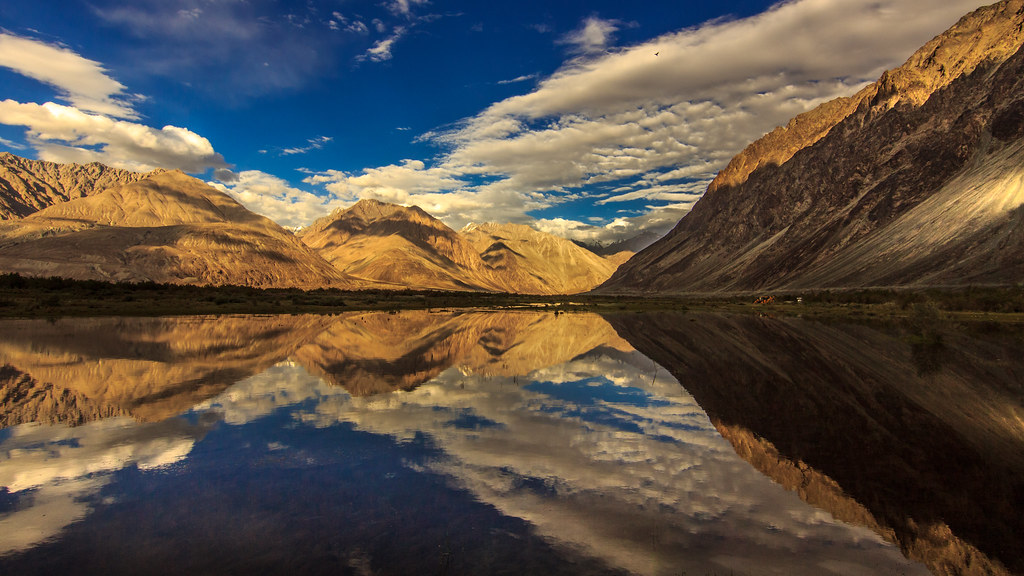
Reached via Khardung La (5,359 metres): a wide valley of sand dunes, double-humped Bactrian camels, apricot orchards, and Buddhist monasteries against a backdrop of 7,000-metre Karakoram peaks. The Shyok River runs its length. A completely different landscape from the Indus Valley — warmer, greener, and with a Central Asian frontier quality that feels unlike the rest of Ladakh.
Cold desert sand dunes rising from the floor of Nubra Valley near the village of Hunder — an otherworldly landscape where the dunes are overlooked by glaciated 7,000-metre peaks. The double-humped Bactrian camels here are descendants of Silk Road trading herds. Camel rides available at sunset; the light on the dunes and mountains together is extraordinary.
A stretch of road 30 kilometres from Leh where vehicles appear to roll uphill on their own — an optical illusion created by the surrounding landscape that has been drawing travellers for decades. The Gurudwara Pathar Sahib, a 16th-century Sikh shrine, is adjacent and worth the stop.
Where the Indus and Zanskar rivers meet — the confluence visible from above, with the green Zanskar and the brown Indus flowing side by side before mixing. The cliffs above the Zanskar gorge are a dramatic viewpoint. In winter (January-February) the frozen Zanskar becomes the Chadar Trek route — one of the world's most extraordinary winter walks.
One of the world's highest motorable passes at 5,359 metres — the gateway to Nubra Valley. The summit is marked by prayer flags, a BRO signboard, and a tea stall that may be the highest in the world. The drive up from Leh takes 90 minutes on switchback roads with vertiginous drops; the views of the Ladakh Range and Stok Kangri from the top are unrepeatable.
The pass on the road to Pangong Lake — at 5,360 metres, slightly higher than Khardung La and equally impressive. A military checkpoint here controls access to the border zone. The drive from Leh crosses three distinct landscapes: the Indus Valley, the high-altitude desert plateau, and the final descent to the lake shore. A chai stop at the summit is mandatory.
The northernmost village in India accessible to tourists, in the Shyok Valley near the Line of Control — only opened to visitors in 2010. A Balti Muslim village of apricot orchards, traditional stone houses, and a culture distinct from Buddhist Ladakh. The drive from Diskit is four hours on mountain roads; the village itself feels like a different country entirely.
An ancient monastery (one of the oldest in Ladakh, dating to the 11th century) set above an extraordinary landscape of eroded clay formations that resemble a lunar surface — hence "Moonland". On the Srinagar-Leh highway, 125 kilometres west of Leh. The monastery is active and its prayer halls are open to visitors; the view from its roof over the crumbling landscape is among the most surreal in all of Ladakh.
Things to Do
Arrive before 6am — the monks begin puja as the first light appears over the valley. The horns, cymbals, and low chanting in a candlelit hall while the landscape outside fills with blue and gold is one of India's most quietly powerful travel experiences.
Tented accommodation at the lake's edge — at 4,350 metres, the stars above Pangong are among the brightest visible from inhabited land. The silence is total after dark; the altitude makes breathing slightly effortful throughout the night. Watching the lake colour shift from black to silver to turquoise at sunrise is the single best reason to stay overnight.
A sunset ride on double-humped Bactrian camels across the sand dunes of Hunder in Nubra Valley — with glaciated 7,000-metre peaks directly behind the dunes, it is one of the most visually extreme contrasts in India. Rides available through local operators; 30-45 minutes at dusk is the right time.
Grade 2-3 whitewater rafting on the Indus near Phey — the Indus at altitude is cold, fast, and clear. Half-day trips available from Leh; equipment and safety briefing included. Best July-September when the snowmelt keeps the river full.
Leh to Thiksey to Hemis to Chemrey to Lamayuru — visiting five monasteries across two days through the Indus Valley and beyond, with mountain views throughout. Guided motorbike tours available; solo hire only for experienced riders on mountain roads.
At 3,000 metres in a cold desert with no light pollution, the Milky Way is structural — a visible band of light across the full width of the sky. The sand dunes of Hunder with the Karakoram peaks behind them are the best vantage point. A clear night here is one of the most disorienting stargazing experiences on earth.
A four-to-six-day winter trek along the frozen Zanskar River — walking on ice through a gorge with walls rising 300 metres on either side, camping on the river bank at temperatures that reach -25°C. January and February only, when the river freezes sufficiently. One of India's most demanding and most visually extraordinary treks.
The two-day cham dance festival at Hemis Monastery — monks in elaborate silk robes and painted masks performing ritual dances in the monastery courtyard. Held in June or July (date varies with the Tibetan lunar calendar). The monastery's 12-metre thangka is unfurled from the main wall: the only time each year it is displayed publicly.
Food to Try
A noodle soup with meat or vegetables in a clear, ginger-spiced broth — the Ladakhi staple, consumed daily throughout the year. At altitude and in cold, it is the most comforting meal available. Found at every restaurant in Leh from early in the morning.
A hearty Ladakhi stew of handmade thumb-shaped pasta (skyu) with root vegetables and mutton — the traditional winter dish, richer than thukpa, cooked for hours. Available at Ladakhi home restaurants, not always at tourist-facing establishments.
Salted, yak-butter tea — the essential Ladakhi drink, served by the litre throughout the day. At altitude it provides fat and salt that the body needs; understanding this context makes the unusual flavour more accessible.
Roasted barley flour mixed with butter tea into a thick dough — the Ladakhi trail food, eaten by monks and trekkers for centuries. Available at guesthouses and monasteries; the correct breakfast before any high-altitude day activity.
The Tibetan dumplings that Ladakh shares with the rest of the Himalayan region — steamed with vegetable or meat filling, served with the locally-made chilli sauce. The version in Leh uses local barley flour for a noticeably denser wrapper.
A lightly fermented barley beer brewed in Ladakhi homes and served in large wooden bowls — the social drink of the valley, offered to guests as a matter of hospitality. Mildly alcoholic, slightly sour, and very much a product of its altitude and climate. The correct drink for a cold evening in a Nubra Valley homestay.
Places to Stay
The most comfortable and best-run hotel in Leh town — spacious rooms, excellent food (the best kitchen in Ladakh), and a rooftop with views to the surrounding mountains. The reliable luxury option for those who want a proper base for Ladakh without camping logistics.
The ancestral palace of the Royal Family of Stok, 15 kilometres from Leh, converted to a small heritage hotel — 12 rooms in the original palace buildings, with Ladakhi architecture, a royal garden, and views across the Indus Valley. One of India's most unusual heritage stays.
A 200-year-old mud-brick farmhouse in the village of Nimmu, at the confluence of the Indus and Zanskar rivers — converted to a 14-room boutique retreat. Traditional Ladakhi architecture, a kitchen garden, and a location between Leh and Alchi that makes it a natural overnight stop on the Indus valley circuit.
A luxury tented camp near Thiksey Monastery, 20 kilometres from Leh — Swiss tents with attached bathrooms, a central dining pavilion, and a location that gives you direct access to Thiksey's 4am monks' prayer without the Leh town logistics. Bookable through Shakti Himalaya.
A family-run guesthouse in old Leh town, below the ruins of Leh Palace — simple rooms, Ladakhi-style interiors, good home cooking, and the atmosphere of a working Ladakhi household. The right budget option for independent travellers who want to sleep inside the old city rather than the new town.
A Shakti Himalaya programme offering stays in remote Ladakhi villages — traditional mud-brick farmhouses adapted for guests, with a cook, a local guide, and walking itineraries between villages. One of the most authentic rural accommodation experiences in India: you sleep in Ladakh as Ladakhis live, in villages the standard tourist circuit never reaches.
Solo Female Travel
Every RoamRani Ladakh itinerary includes a medically monitored 48-hour acclimatisation period in Leh before any high-altitude excursion. Ignoring acclimatisation causes altitude sickness; following it allows you to experience everything safely. We never rush this.
Ladakh's Buddhist culture is deeply hospitable. Solo women travellers consistently report feeling safer in Ladakh than in any other part of India. Homestays with Ladakhi families are an excellent choice — personal, safe, and entirely authentic.
Ladakh is not technically difficult — you do not need mountaineering experience to visit Pangong or Nubra. But the altitude means any exertion (including walking up stairs) is harder than at sea level. Arriving fit makes the experience better.
Pangong Lake, Nubra Valley, and several other areas require Inner Line Permits (ILP) — obtained in Leh or online before arrival. We handle all permit logistics for every RoamRani Ladakh itinerary.
Plan Your Trip
Ladakh requires more planning than any other RoamRani destination — permits, medical acclimatisation, high-altitude logistics, vetted drivers on mountain roads. We have done this many times. You focus on the experience; we handle everything else.
Start PlanningFree consultation · No obligation · Reply within 24 hours
Free Resource
Download The Essential Women's Guide to India — our free, no-fluff resource covering what to pack, what to expect, and what no travel blog will tell you. Trusted by 2,000+ women.
Prefer to speak directly? hello@roamrani.com