Kerala · Travel Guide
Fort Kochi layers Portuguese, Dutch, and British history with Chinese fishing nets, the world-class Kochi-Muziris Biennale, and Malabar seafood that is some of India's finest. A colonial port unlike anywhere else in the country.
Places to Visit
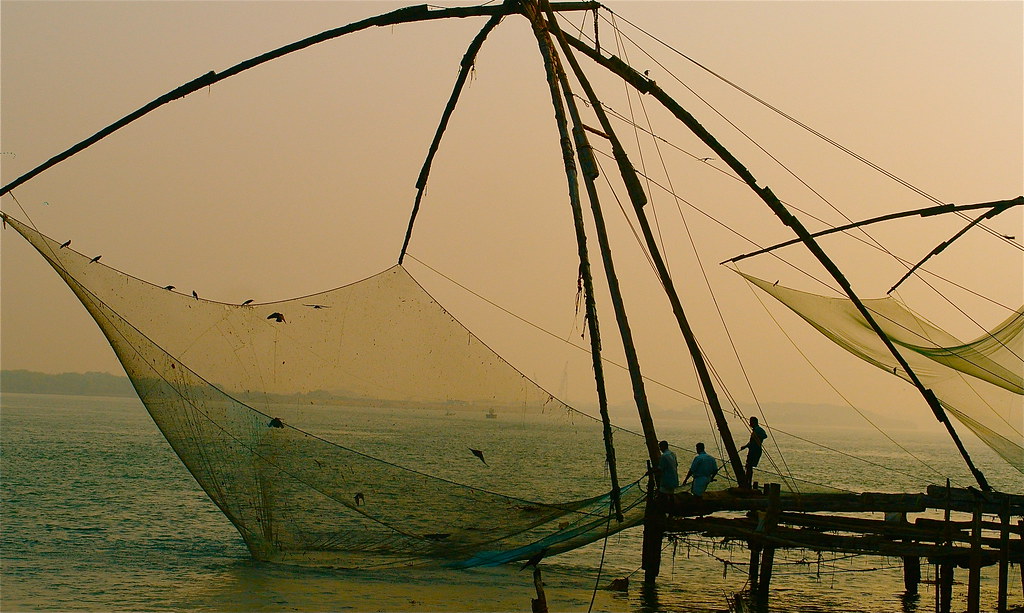
Cantilevered shore fishing nets operated at the tip of Fort Kochi — a technique brought by Chinese traders in the 14th century and maintained today by the same families who have worked them for generations. Best viewed at sunrise or at sunset.
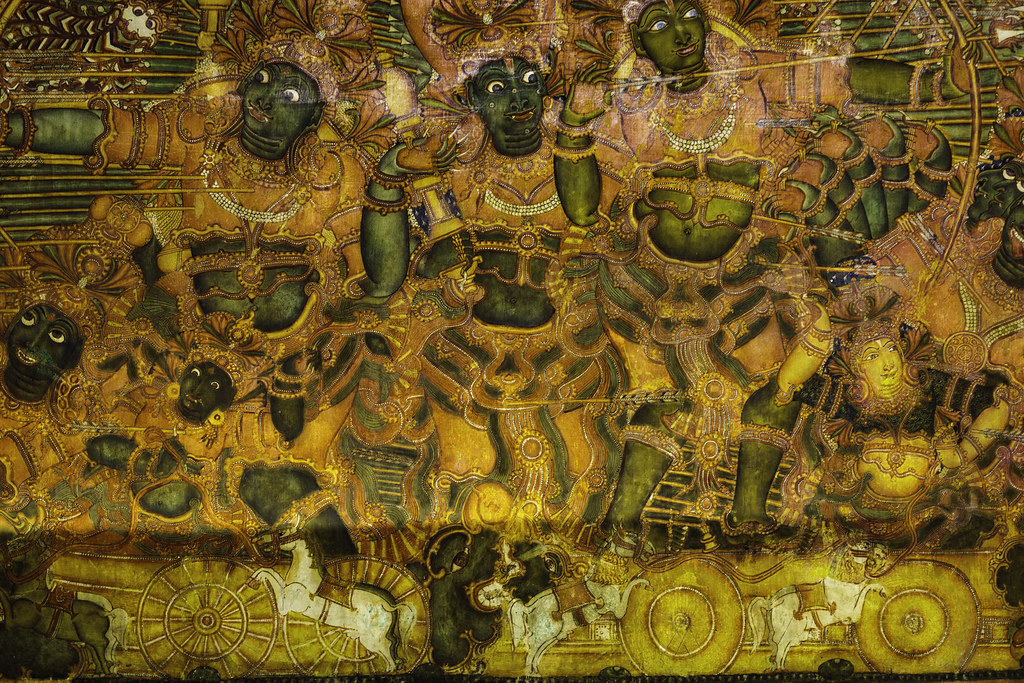
Built by the Portuguese in 1555 and later renovated by the Dutch — the palace's real treasures are the Ramayana murals inside, painted in the Kerala style on walls and ceilings in extraordinary detail. One of the finest collections of mural painting in India.
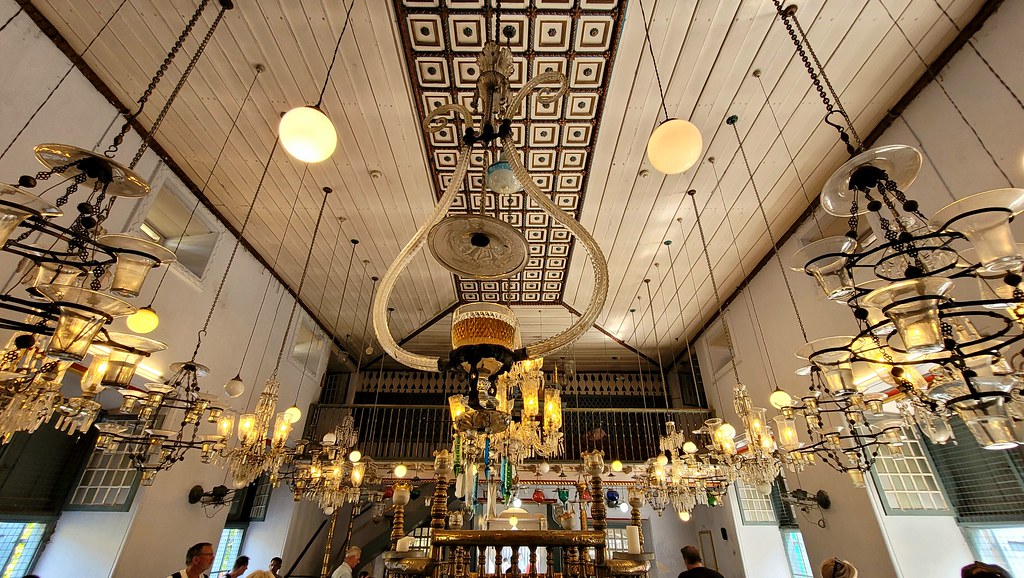
The oldest active synagogue in the British Commonwealth, built in 1568 — with hand-painted Delft floor tiles, Chinese tile work, and Belgian chandeliers. Surrounded by the antique shops of Jew Town, a market that has traded spices and antiques for centuries.
The streets of Fort Kochi — Ridsdale Road, Burgher Street, Princess Street — are lined with Dutch and Portuguese colonial buildings now occupied by boutique hotels, art galleries, and cafés. The layered atmosphere is genuinely unlike anywhere else in India.
Held every two years (even years, December to March), the Biennale occupies warehouses, historic buildings, and outdoor spaces throughout Fort Kochi and Mattancherry. One of Asia's most significant contemporary art events.
The oldest European church in India — built by Portuguese Franciscan friars in 1503, then converted successively by the Dutch and the British. Vasco da Gama was buried here for fourteen years before his remains were returned to Portugal. The building is still an active place of worship, and the Dutch-era gravestones set into the floor are among the oldest in Asia.
The Basilica of Our Lady of Ransom at Edappally is one of the oldest and most venerated churches in Kerala — with origins traced to the 6th century AD, making it among the earliest Christian places of worship on the subcontinent. The current basilica was built by the Portuguese in 1579. It remains a major pilgrimage site, especially during the feast of Our Lady of Ransom in September, when tens of thousands gather. The complex is about 10 km from Fort Kochi and easily paired with a visit to the spice market.
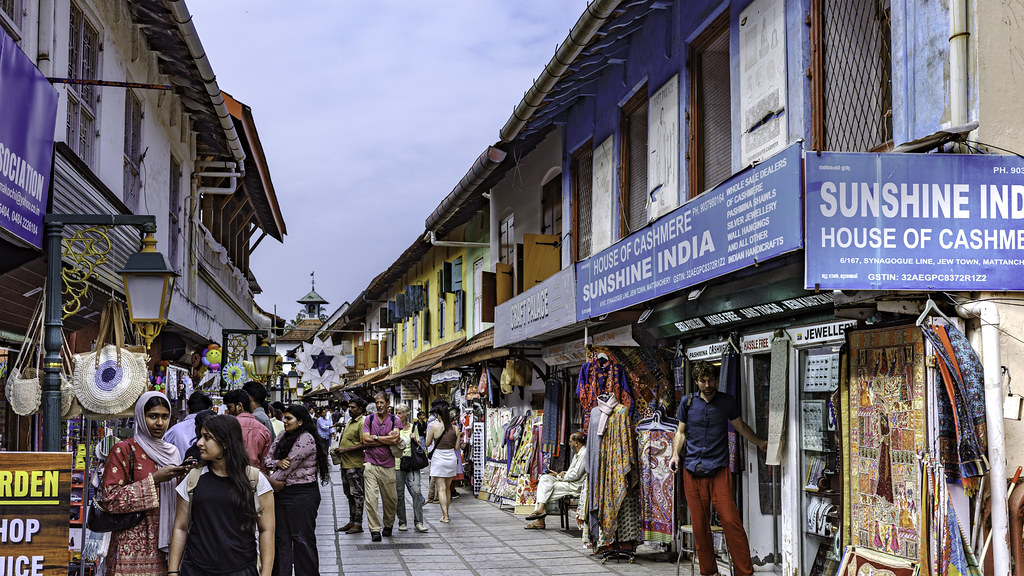
The street running south from the Paradesi Synagogue is one of the most layered commercial lanes in India — spice traders, antique dealers, Kashmiri carpet sellers, and bronze merchants occupying buildings that have changed hands for centuries. The smell of cardamom and black pepper hangs in the air from the warehouses behind the shopfronts. It is a place to walk slowly, look closely, and bargain for something old.
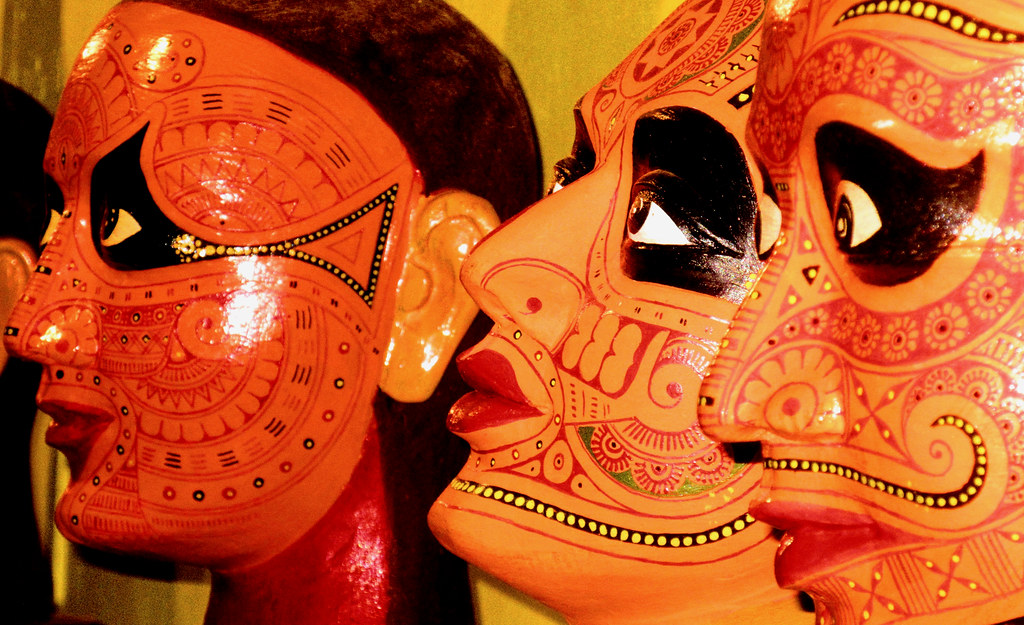
An extraordinary private collection of Kerala's ritual and performance traditions — over 4,000 objects across three floors of a traditional Kerala mansion, including Theyyam costumes, Kathakali masks, ritual lamps, temple carvings, and the largest collection of Aranmula mirrors in existence. The building itself is a reconstruction of a 17th-century tharavad (ancestral home), assembled from heritage materials. One of the finest museums in South India and consistently overlooked by visitors who stay only in Fort Kochi.
A 15 km stretch of beach on Vypin Island, about 25 km north of Fort Kochi by road — clean sand, low crowds, and a backwater lagoon running parallel to the shore behind the dunes, which makes the landscape unlike any other beach in Kerala. Spinner dolphins are regularly sighted offshore between November and March. The public ferry from Fort Kochi to Vypin followed by a short auto ride is both cheaper and more scenic than the road route through Ernakulam.
Things to Do
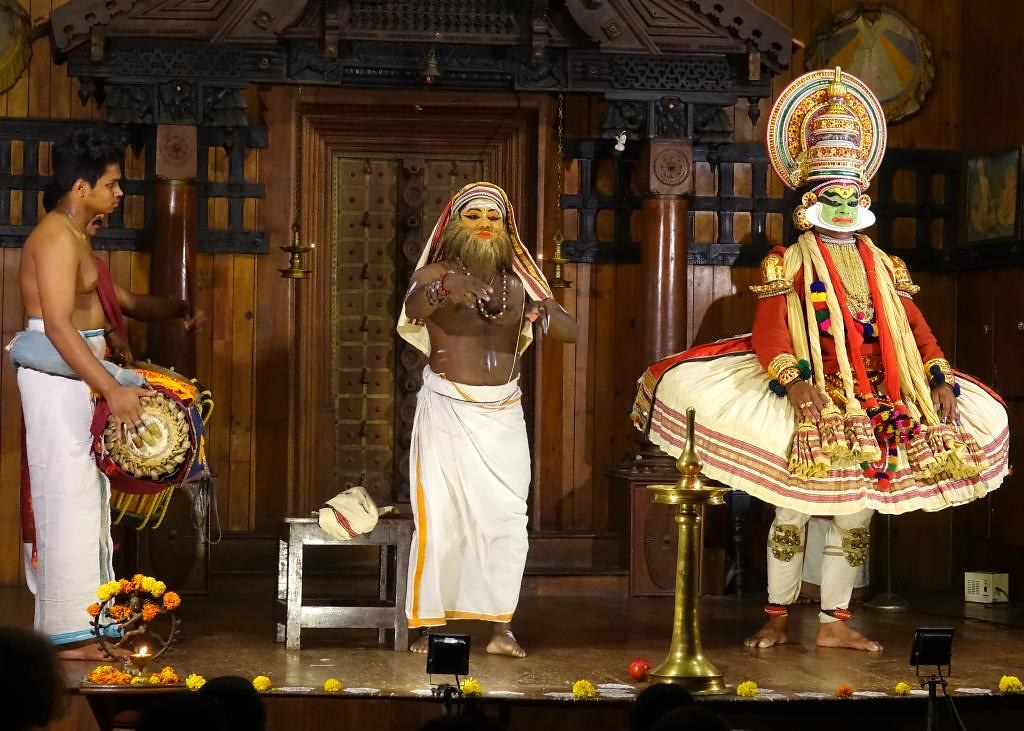
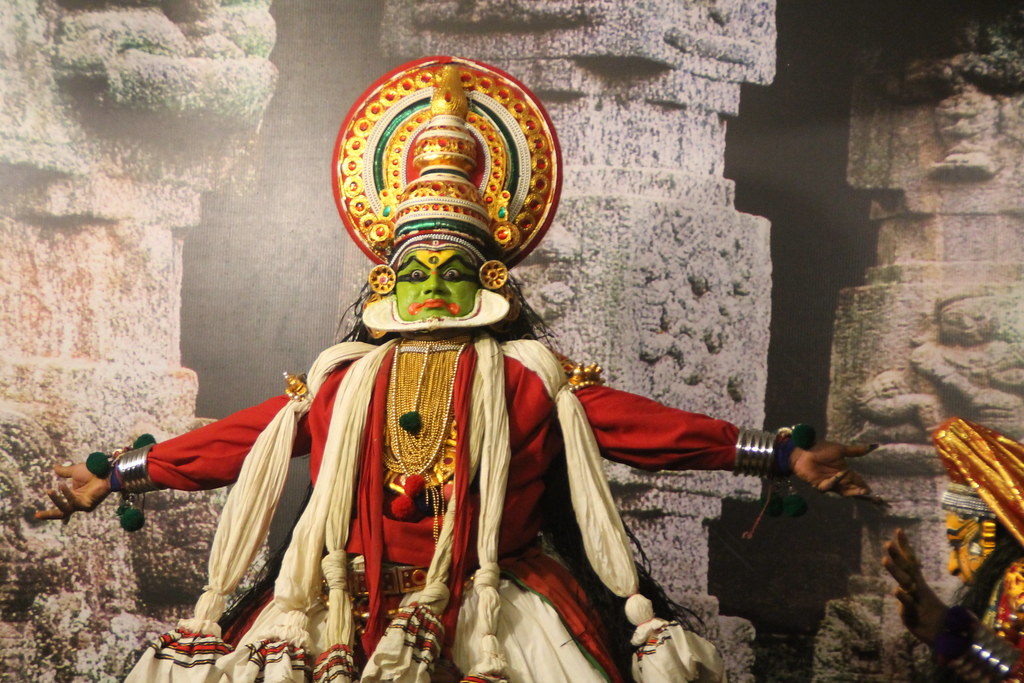
Kerala's classical dance-drama — a performer in elaborate costume and makeup telling stories from the Mahabharata and Ramayana through precise gestures and expressions. The best venues in Kochi offer a 45-minute pre-show on makeup application, which makes the performance itself completely intelligible.
An ancient Kerala martial art — one of the world's oldest fighting systems, recently added to UNESCO's Intangible Cultural Heritage list. Morning training demonstrations at kalaris (practice halls) in Kochi are open to visitors.
A Kerala cooking class in a home kitchen — coconut-based curries, fish preparations, and the appam technique that requires practice to get right. The Malabar style of cooking is distinct from South Indian cooking elsewhere and worth learning.
The waterfront at Fort Kochi looking toward the fishing nets as the sun goes down — tankers, fishing boats, and the silhouette of the nets against an orange sky. Free, and only five minutes from anywhere in the old quarter.
Jew Town's antique dealers have been here for a century — selling colonial furniture, brass lamps, Kerala temple art, and old maps. Prices are negotiable; provenance requires scrutiny. A morning of browsing is genuinely pleasurable.
The public ferry from Ernakulam jetty through the Vembanad backwaters — a two-hour journey through paddy fields, fishing villages, and waterways that the tourist houseboats do not reach. It costs almost nothing and deposits you at Vaikom, a quiet temple town. The return ferry in the late afternoon light is one of the finest things to do in Kerala.
The spice warehouses behind Jew Town are still working trading operations — pepper, cardamom, cloves, cinnamon, and dried ginger in burlap sacks stacked floor to ceiling, the air dense with the smell of them. A guided walk through the wholesale market in the early morning, before the heat, is one of the best sensory experiences in Kochi: the scale of the trade, the weighing and sorting, and the direct line from here to the medieval spice routes that brought the Portuguese to this coast in the first place.
Food to Try
Rice-flour crepes with lacy edges and a soft centre — served with a coconut milk-based stew of chicken or vegetables. A Christian Syrian tradition in Kerala; the combination of textures is specific and extraordinary.
Pearl spot fish — a Kochi backwater speciality — wrapped in banana leaf with a paste of chilli, coconut, and tamarind, then grilled. Unavailable inland; a fish dish that requires proximity to the Kerala backwater coast.
Coconut milk, kokum, and whole spices with fresh prawns — the Malabar style is different from South Indian prawn curries elsewhere, richer and more aromatic. Best at family-run restaurants in Mattancherry.
A full banana-leaf feast — 24-plus dishes served on a plantain leaf, eaten with the right hand, in a specific order. Available on Onam (August-September) and at traditional restaurants year-round. The sheer variety on the leaf is overwhelming in the best way.
Strong South Indian filter coffee in a steel tumbler — poured between tumbler and davaraa to cool it and create a froth. Available at Irani cafés and the old breakfast stalls near the fishing nets from early morning.
A delicate white fish curry in a light coconut milk base — the Christian Syrian preparation that is the gentlest and most elegant of all Kerala fish curries. Made with the white-fleshed fish caught in the Arabian Sea, cooked briefly so the coconut milk does not split, and served with appam. Available at the Syrian Christian family restaurants in Mattancherry.
Places to Stay
A heritage waterfront hotel on the Kochi harbour, built on the site of a 19th-century boatyard — teak floors, colonial-era furniture, and a location that puts you at the intersection of Fort Kochi's Portuguese, Dutch, and British layers. One of the finest heritage hotels in South India.
A restored 17th-century Dutch merchant's house in Fort Kochi — 17 rooms, a courtyard pool, and a restaurant that has been one of Kochi's best for two decades. Consistently the highest-reviewed boutique hotel in the Fort Kochi area.
A 600-year-old spice warehouse converted to a boutique hotel near the Mattancherry Spice Market. The building's walls are embedded with the memory of centuries of the spice trade. A genuinely unusual property — not luxurious in a resort sense, but historically extraordinary.
A waterfront hotel directly on the Kochi harbour in Fort Kochi, with a restaurant terrace above the water — fishing boats and Chinese fishing nets in the foreground, the main harbour traffic beyond. Simple rooms, outstanding location.
A budget hostel in the Fort Kochi quarter — the right base for independent travellers who want heritage access without the boutique prices. Five minutes from the waterfront, dorm and private options, and the best traveller community in Kochi.
A boutique hotel built within the 16th-century Dutch-era fortifications of Fort Kochi — 12 rooms in a beautifully restored colonial structure, with exposed laterite walls, a small pool, and a location that is literally inside Kochi's history. One of the most atmospheric mid-range options in the Fort Kochi quarter.
Solo Female Travel
Kerala consistently ranks as India's most progressive state on gender metrics. Fort Kochi's old quarter is walkable, the café culture is welcoming, and the pace is entirely its own. Solo female travellers report feeling at ease here from the first day.
The old quarter — Chinese nets, Mattancherry Palace, Synagogue, Fort Kochi beach — is compact enough to walk. A rented bicycle extends your range to Mattancherry and the backwaters behind the island.
Several beautifully restored colonial buildings in Fort Kochi operate as boutique guesthouses — smaller, more personal, and safer than hotels in mainland Ernakulam. Choosing accommodation in the old quarter means arriving on foot rather than navigating the city.
Plan Your Trip
We know the Kathakali venue that actually explains the performance, the Malabar cooking class host who trained professionally, and the antique shops in Jew Town that are worth your time. Kochi properly, not generically.
Start PlanningFree consultation · No obligation · Reply within 24 hours
Free Resource
Download The Essential Women's Guide to India — our free, no-fluff resource covering what to pack, what to expect, and what no travel blog will tell you. Trusted by 2,000+ women.
Prefer to speak directly? hello@roamrani.com