Himalayas · Travel Guide
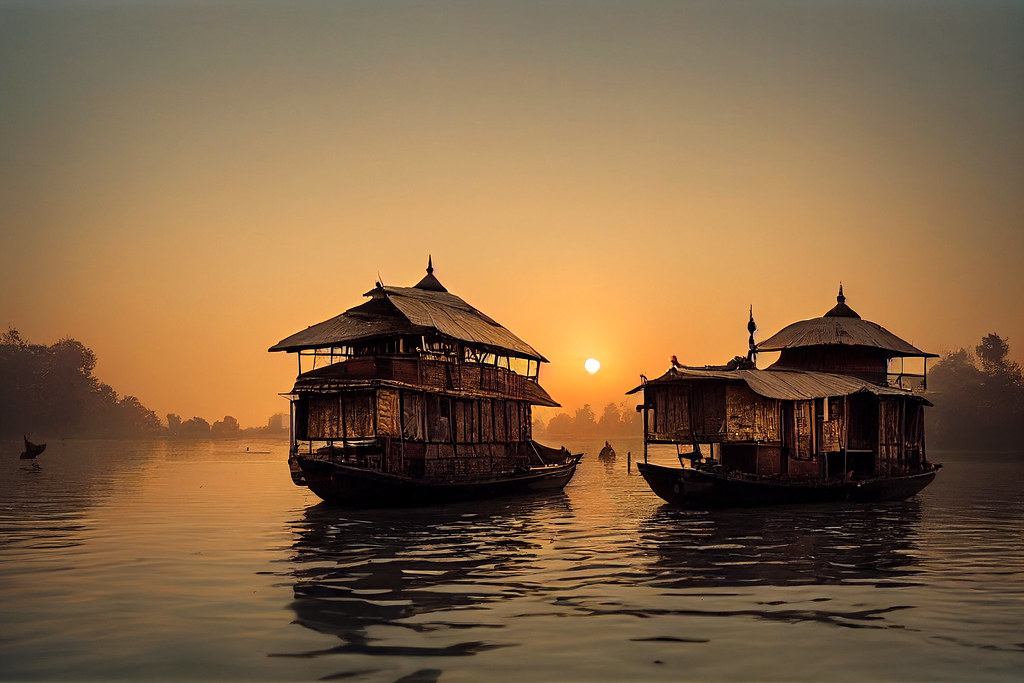
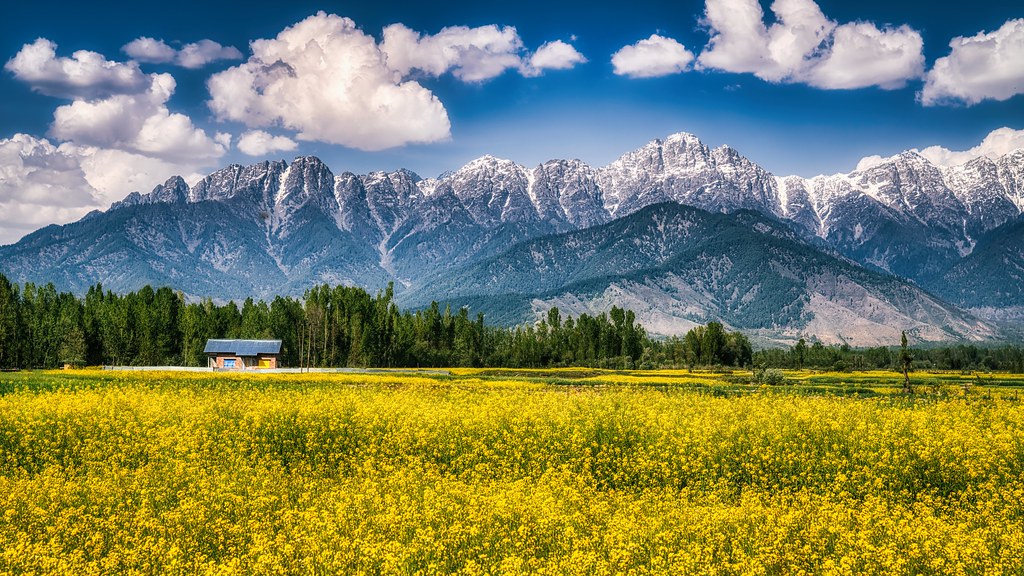
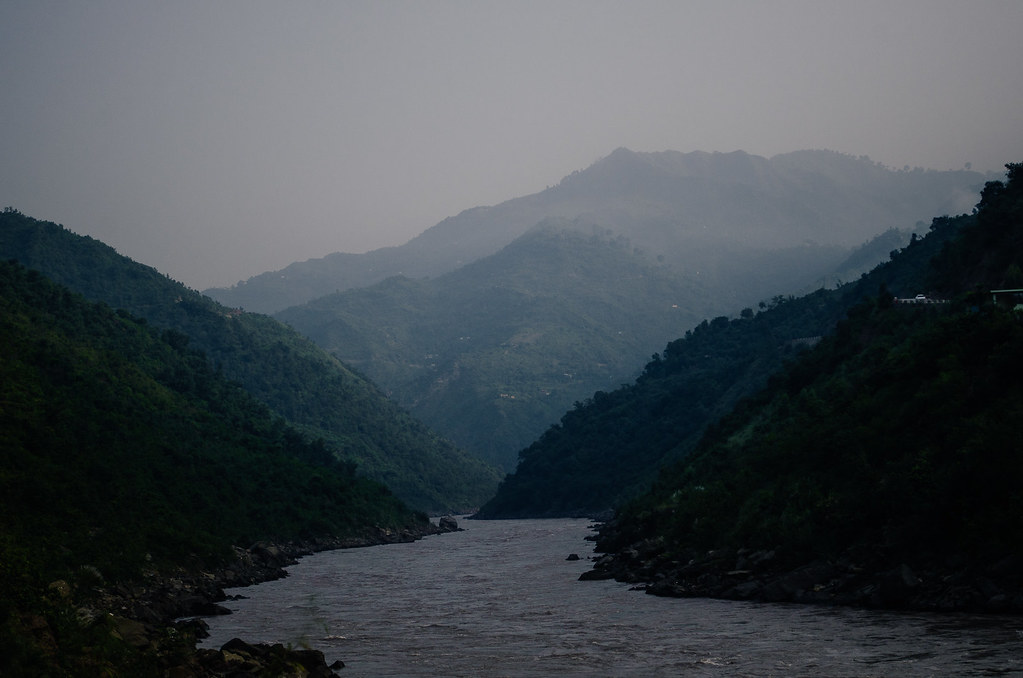
A shikara at dawn on Dal Lake with the Himalayas reflected in still water, Mughal gardens built at the height of empire, skiing at Gulmarg in winter, and a wazwan feast that is among India's most elaborate culinary traditions. Kashmir is one of those places that makes the word "beautiful" feel insufficient.
Places to Visit
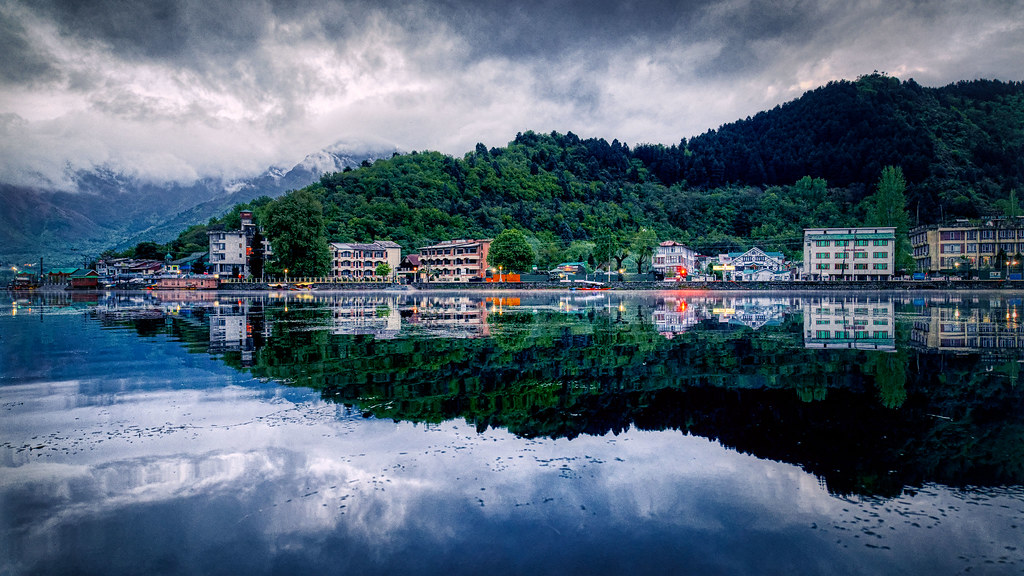
A 26-square-kilometre high-altitude lake surrounded by the Pir Panjal mountains — home to houseboats, floating vegetable gardens, and a shikara culture that has existed for centuries. At dawn, before the mist clears and the boats begin to move, it is one of the most beautiful lake landscapes in Asia.
Three formal gardens built by Mughal emperors on the banks of Dal Lake — Shalimar Bagh (1619), Nishat Bagh (1633), and Chashme Shahi. Each is a charbagh (four-part formal garden) with terraced fountains, chinars (plane trees), and sweeping mountain views.
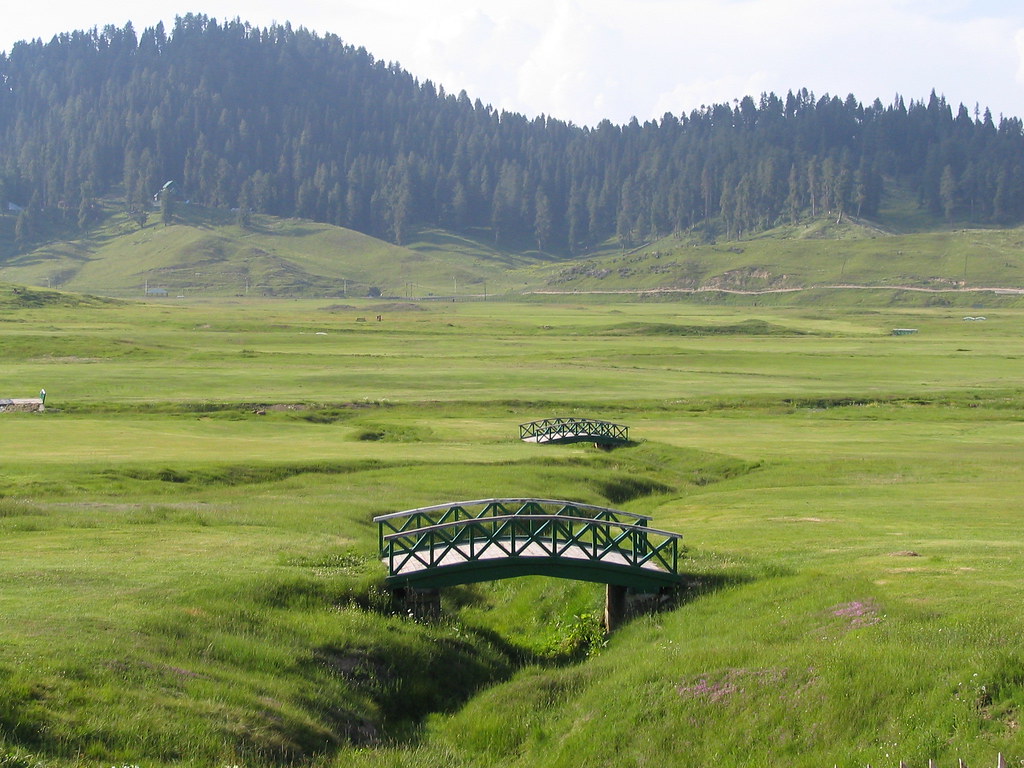
56 kilometres from Srinagar at 2,650 metres — a high meadow ringed by 4,000-metre peaks, with Asia's highest cable car, skiing in winter, and flower meadows in summer. The gondola to Kongdori (Phase 1, 3,088 metres) is one of India's most dramatic cable engineering achievements.
96 kilometres from Srinagar — a valley at the confluence of the Lidder and Sheshnag rivers, with pine forests, trout streams, and the base camp for the Amarnath yatra pilgrimage. The Betaab Valley and Aru Valley make rewarding accessible day hikes.
87 kilometres from Srinagar, at 2,740 metres — a high-altitude meadow with views of the Sindh Valley and Himalayan glaciers. The gateway to the Thajiwas Glacier, accessible by pony or on foot.
The Jama Masjid (14th century), Shah Hamadan mosque, and the maze of lanes around the Nowhatta and Safakadal quarters — the living heart of the Kashmiri city, with walnut wood craftsmen, carpet weavers, and the papier-mâché workshops producing Kashmir's most distinctive traditional art.
Asia's largest tulip garden, set on terraced slopes below Zabarwan Hill with direct views over Dal Lake and the Pir Panjal range. Over 1.5 million tulips across 68 varieties bloom for roughly three weeks in early April — the opening of the garden is used as a marker for the start of spring tourism in the valley. Entry is early morning or late afternoon when the light is low and the crowds are thinner.
A 1,000-year-old Shiva temple (locally Jyeshteshwara) at 1,100 metres above sea level, reached by 243 stone steps from the car park. The summit gives the most commanding panoramic view of Srinagar — the full Dal Lake to the north, the old city and its mosques below, and the ring of Himalayan ridges on every horizon. Best visited at sunrise or in the last hour before sunset.
Things to Do
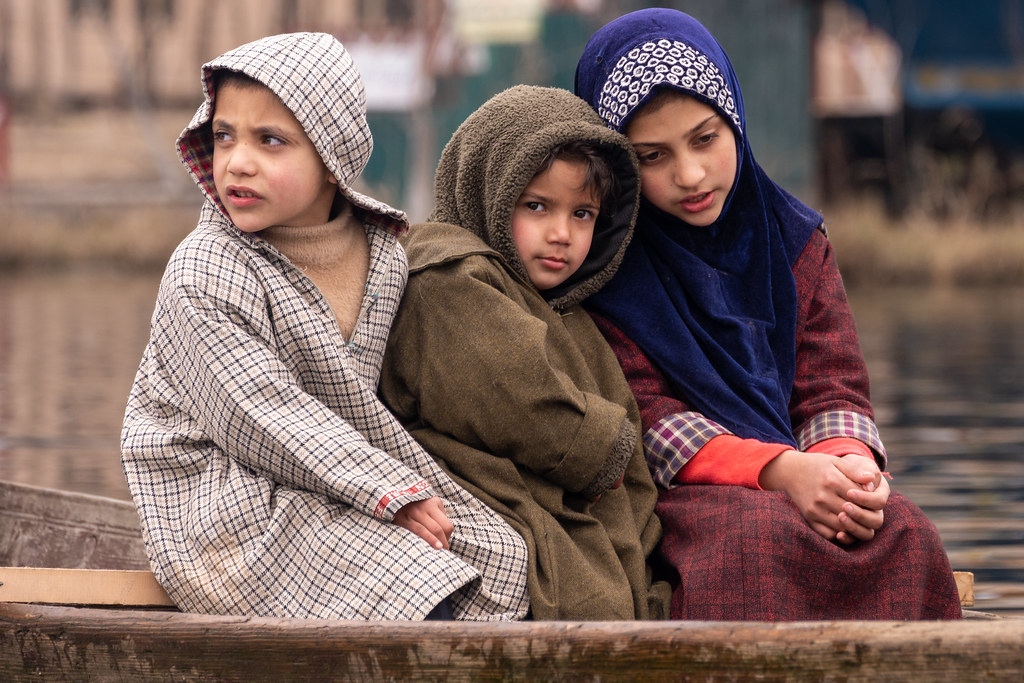
A private shikara (traditional wooden boat) at 5:30am — the lake still and perfectly reflective, vegetable vendors punting between the floating gardens, mountains lit pink before the sun clears them. The most extraordinary 90 minutes available anywhere in Kashmir.
Heritage houseboats — Edwardian-era wooden structures moored on the lake's quieter arms — with carved interiors, personal staff, and absolute silence after dark. A night on the lake is an entirely different Kashmir from the busy city.
Kashmiri hand-knotted carpets are among the world's finest — a single 6×4 foot carpet requires two weavers and up to two years. Visiting a workshop and watching the process gives you a lasting reference point for the price of every carpet you ever consider.
The two-phase gondola from Gulmarg (2,650m) to Apharwat Peak (4,200m) — the second-highest cable car in the world. At the top: a 360-degree view of peaks, a walk on the snowfield (year-round), and the particular cold of 4,000 metres that makes the plains of India feel very far away.
The finest skiing in the Indian subcontinent — 14 kilometres of runs, reliable snow, and a fraction of the crowds of European resorts. Ski rental and instruction available at Gulmarg; helicopter skiing on the back bowls is available for experienced skiers only.
The Pampore valley, 15 kilometres from Srinagar, grows 90% of India's saffron — the world's most expensive spice. In October, the fields bloom purple-pink for just two weeks. Visiting at harvest is one of India's most unusual and beautiful seasonal agricultural experiences.
Food to Try
The Kashmiri multi-course feast — prepared by a waza (master chef), with 36 dishes including rogan josh, gushtaba, and yakhni. Traditionally eaten from a large shared copper plate (traami) by four people. A full feast experience available at specialist Wazwan restaurants in Srinagar.
Slow-cooked lamb in a Kashmiri chilli and whole spice sauce — the dish that defines Kashmiri cuisine internationally, but whose real version (without yoghurt, without cream, with ratanjot for colour) is found only within Kashmir itself.
A salted, baking-soda-based tea that turns pink when the milk is added — a Kashmiri tradition served with kulcha (bread) for breakfast. The flavour is gentle, savoury, and entirely unlike any other tea tradition in India.
Minced mutton pounded to a paste and formed into large balls, cooked in a creamy yoghurt sauce — the final dish in a Wazwan feast, signifying that the meal is complete. The technique of pounding rather than mincing is what gives it an extraordinary texture.
Kashmiri collard greens — slightly bitter, cooked simply with mustard oil and whole spices. The most important vegetable dish in the Kashmiri kitchen, eaten daily and available at every traditional Kashmiri restaurant.
A Kashmiri festival sweet of dried fruits — walnuts, almonds, dried apricots, and coconut — fried in ghee and simmered in sugar syrup with saffron and cardamom. Traditionally served at Kashmiri wedding feasts alongside the wazwan, available at the older halwai sweet shops of the Nowhatta quarter.
Places to Stay
The former summer palace of the Maharaja of Jammu and Kashmir, built in 1910 on a hillside above Dal Lake — Mughal and classical European architecture combined, with lawns, gardens, and views across the lake to the Pir Panjal range. One of India's genuinely historic palace hotels.
The quintessential Kashmir experience — hand-carved wooden houseboats moored on the lake, ranging from colonial-era grand affairs to simpler family-run options. The best combine teak interiors, a shikara at the door, and a cook who makes noon chai and Wazwan on request. Book directly with accredited houseboats; avoid touts at the ghat.
A contemporary Taj property above Dal Lake, with lake-view rooms, a spa, and a pool — modern international standards with Kashmir's natural landscape as the setting. The right choice for those who want reliable luxury alongside the lake.
Srinagar's oldest continuously operating hotel, established in 1880 — a colonial-era institution on the Boulevard Road near Dal Lake, with wooden interiors, a garden, and the atmosphere of a Raj-era hill station hotel. Simple rooms, great character, and a history that few Indian hotels share.
A luxury mountain resort in Gulmarg, 51 kilometres from Srinagar — set among pine forests at 2,690 metres, with ski-in/ski-out access in winter and meadow trekking in summer. The finest accommodation in Gulmarg and one of the best mountain resorts in India.
One of Dal Lake's most celebrated houseboats — a hand-crafted walnut-panelled boat with four en-suite rooms, a sun deck with mountain views, and a crew that has been hosting guests for three generations. Among the most well-reviewed of the lake's registered houseboats; the quality of craftsmanship and hospitality sets it apart from the standard tourist houseboat experience.
Solo Female Travel
Kashmir's complexity — politically, geographically, and culturally — is best navigated with a local partner who knows the valley, the season, and the current situation on the ground. RoamRani works with Kashmiri guide families who have operated here for decades.
Staying on a heritage houseboat on Dal Lake places you away from the busier city streets, in a setting that is both quieter and more personal. The houseboat staff — typically the owner's extended family — provide a level of personal attention not available in hotels.
Srinagar's old city is a conservative Muslim neighbourhood. Covered hair (a stole or scarf is adequate), covered shoulders, and loose clothing are appropriate and significantly reduce attention. The mosques require head covering; the gardens do not.
Kashmir's situation can change seasonally. We monitor the advisory level and will tell you honestly what the current reality is. In stable seasons, solo female travellers who are well-prepared have exceptional experiences here.
Plan Your Trip
We work with Kashmiri families who have been hosting travellers for generations. The houseboat selection, the shikara timing, the wazwan restaurant booking, and the Gulmarg gondola logistics — all handled, with the context that makes it intelligible.
Start PlanningFree consultation · No obligation · Reply within 24 hours
Free Resource
Download The Essential Women's Guide to India — our free, no-fluff resource covering what to pack, what to expect, and what no travel blog will tell you. Trusted by 2,000+ women.
Prefer to speak directly? hello@roamrani.com