Rajasthan · Travel Guide
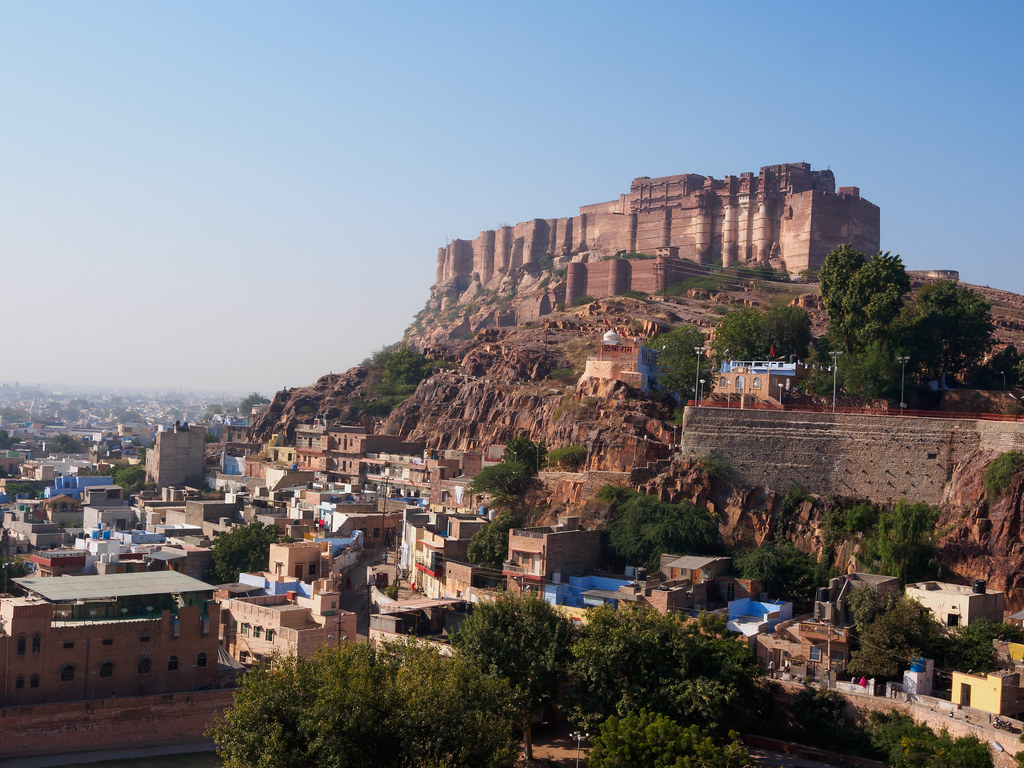
Mehrangarh Fort rises 400 feet from volcanic rock above a city of blue-painted lanes — a scene that stops most visitors mid-sentence. Jodhpur is the Rajasthan that most visitors miss, and precisely the one worth finding.
Places to Visit
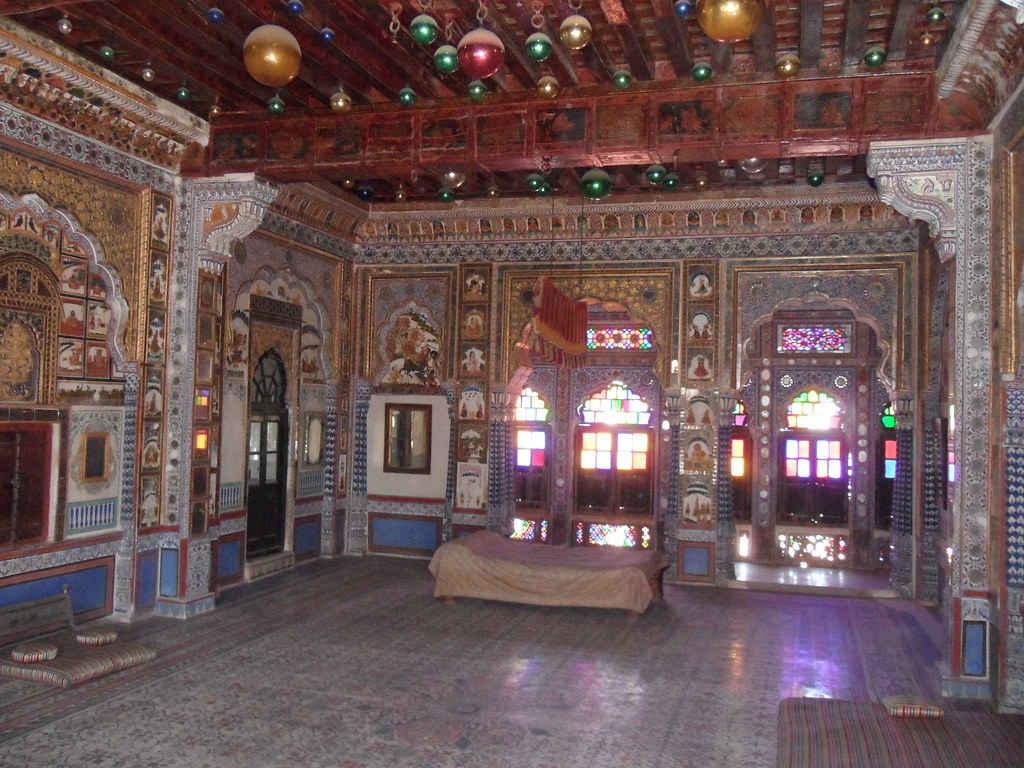
India's most imposing fort — never conquered in its 500-year history, rising from a rocky outcrop with sheer walls 36 metres high. The museum inside is one of Rajasthan's finest, with palanquins, miniature paintings, and royal regalia displayed with genuine curatorial care.
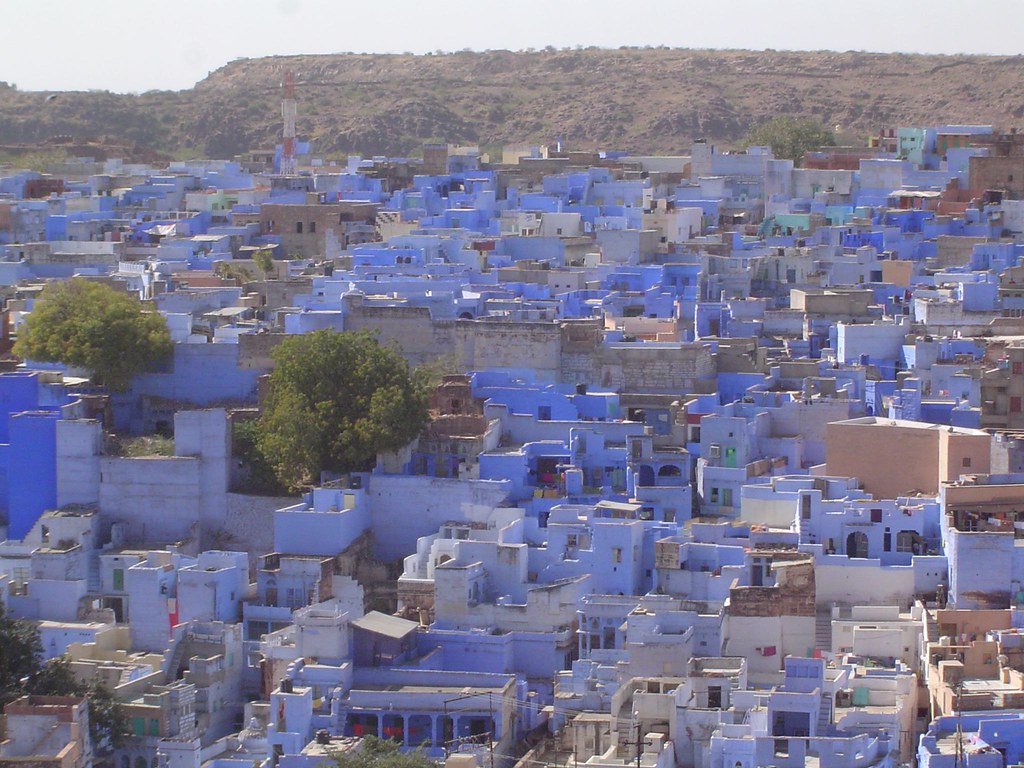
The blue-painted lanes below the fort were traditionally the homes of Brahmin families — the colour is still maintained. Walking these lanes at dawn, before the light goes flat, is the most atmospheric thing to do in Jodhpur.
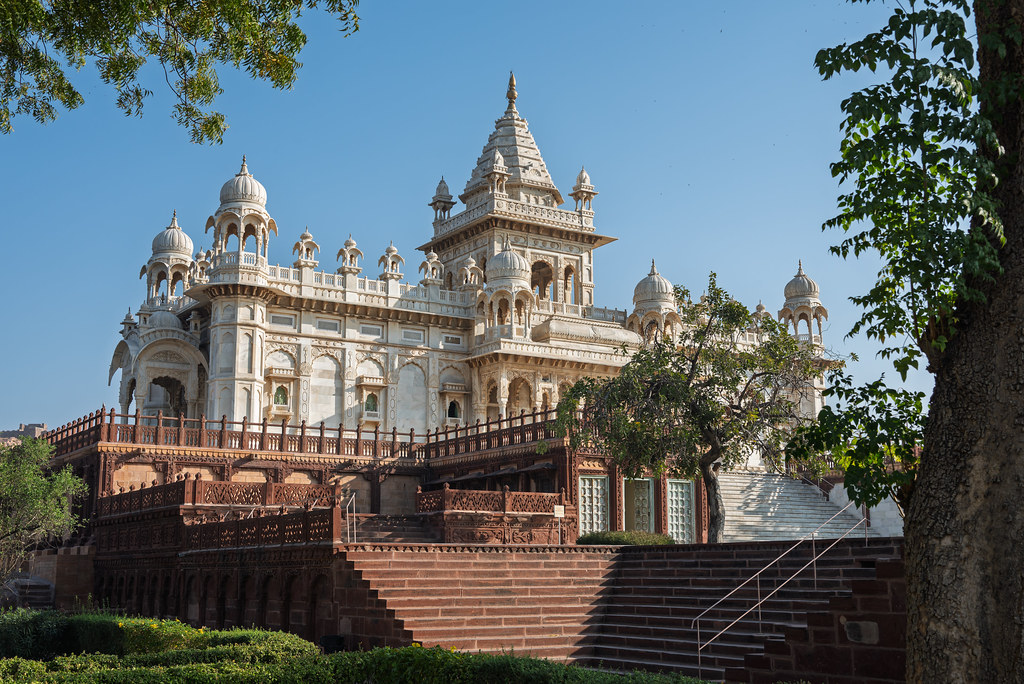
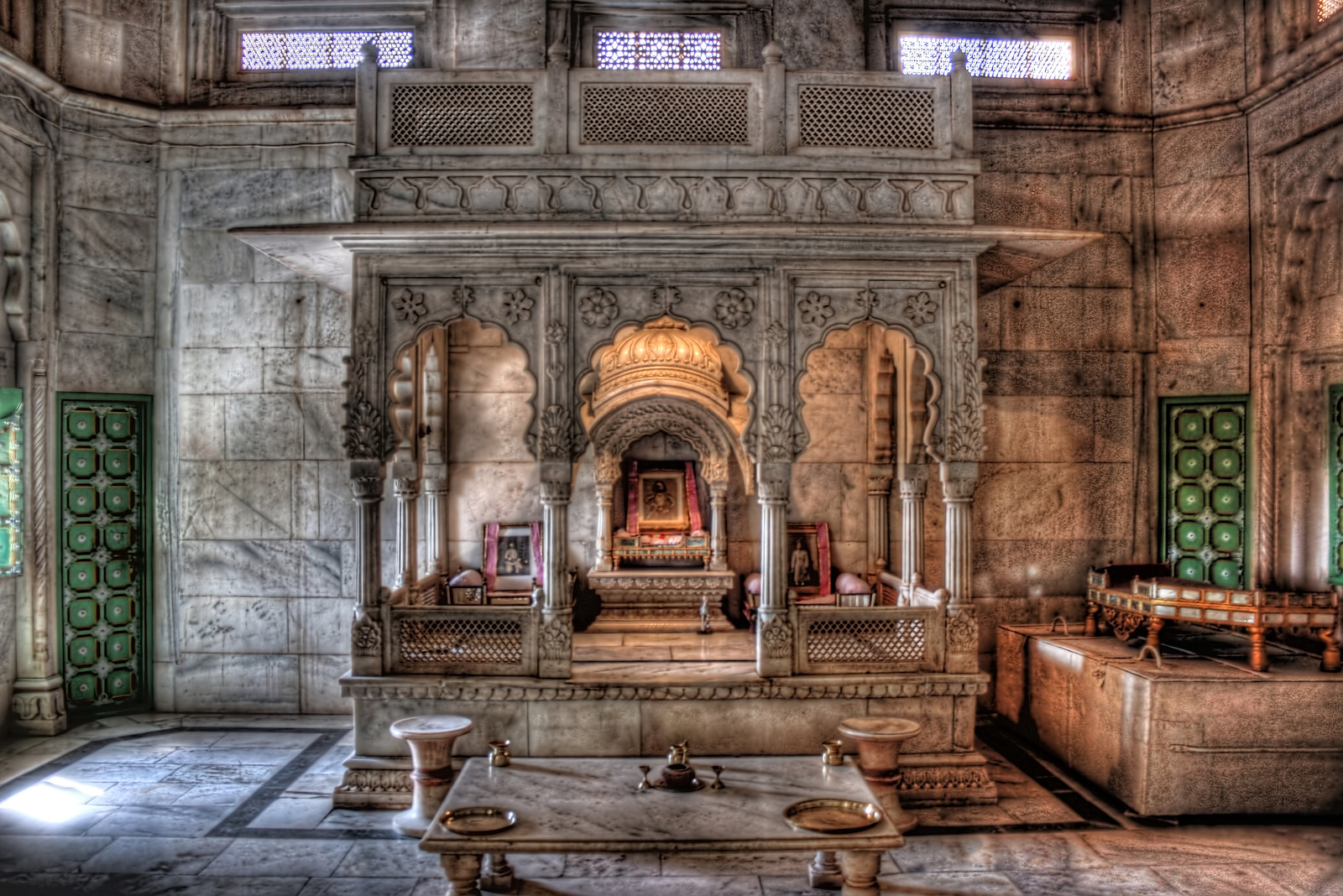
A white marble memorial built in 1899 for the Maharaja — a quieter, more contemplative structure than the fort, with intricate marble screens that filter the light into patterns on the floor. Often peacefully empty when the fort is crowded.
An 18th-century stepwell recently restored — deep, symmetrical, and beautifully lit. The blue city walls above, the geometric precision below. One of Rajasthan's finest stepwells, still largely overlooked by the main tourist circuits.
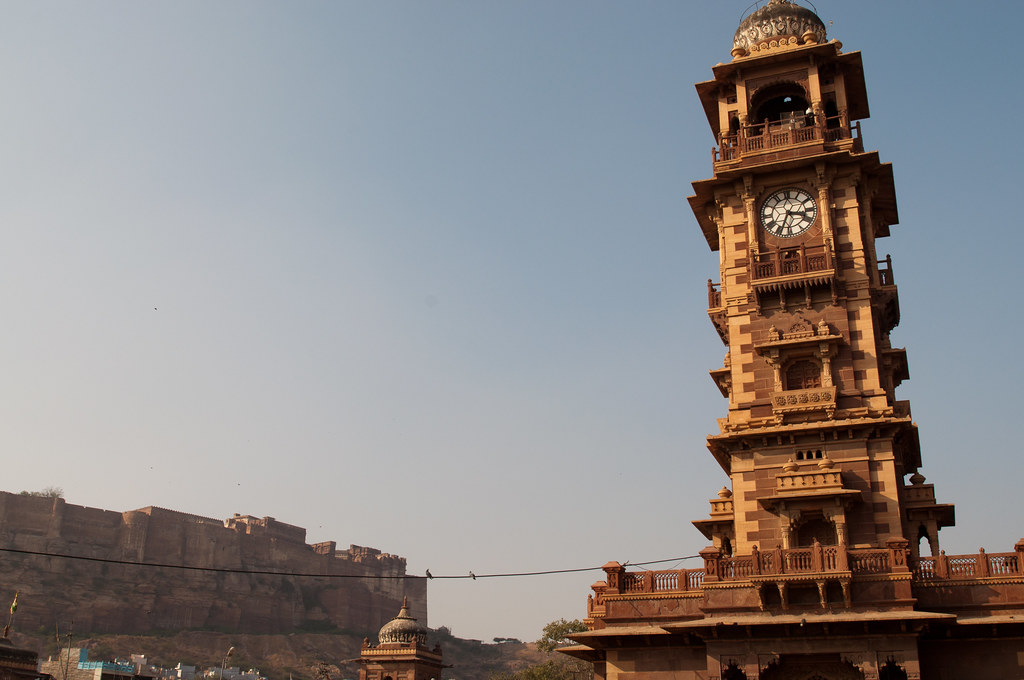
The clock tower at the centre of the old bazaar — spice sellers, leather workers, silver jewellers — selling to local residents rather than tourists. The spice market here is genuine and aromatic.
5 kilometres from the city: an 1159 CE artificial lake surrounded by mango, papaya, and kingshuk trees, with a 19th-century palace on its banks now operating as a heritage hotel. The gardens are open to non-guests and are among the most serene public spaces near Jodhpur — a complete contrast to the fort's drama.
Things to Do
The fort opens before sunrise. In the first light, the sandstone walls turn a deep amber that flattens out as the day advances. The inner courtyards at this early hour are nearly empty.
Start at the Sardar Market and walk uphill toward the fort through the blue-painted residential lanes. No set route — the photography happens wherever the lanes narrow and the fort appears above a rooftop.
A dozen rooftop cafés in the old city have direct sightlines to Mehrangarh. The views at sunset, when the fort is lit, are exceptional. Shri Mishrilal Hotel's rooftop is the classic choice.
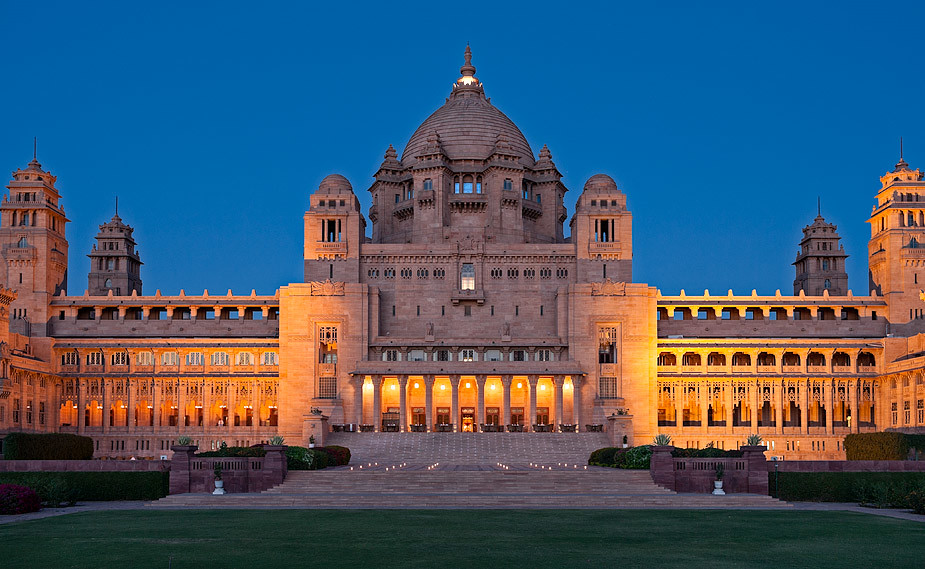
One of the world's largest private residences, completed in 1943 — part hotel, part museum, part Maharaja's actual home. The art deco interiors are extraordinary; the museum section is open to non-guests.
Buy whole spices from vendors who have sourced them the same way for decades. Jodhpur's proximity to the Thar Desert has made it a regional spice trading hub for centuries.
The rooftop of a heritage guesthouse in the old city at sunset — Mehrangarh above you turning amber, the blue lanes below filling with shadow, the call to prayer from the Jama Masjid rising over the sound of the market. This is the hour Jodhpur is designed for; the correct place to be is somewhere high in the blue city with an unobstructed westward view.
Food to Try
Jodhpur's definitive street snack — large green chilli stuffed with spiced potato, coated in chickpea batter and deep fried. Served with tamarind chutney from the stalls clustered near the clock tower market.
Sweet pastry filled with sweetened khoya (reduced milk) and deep fried — a Jodhpur specialty, sold at Janta Sweet Home near the clock tower, not available with the same quality anywhere else.
The thick, creamy lassi topped with a layer of white butter (makkhan) — Jodhpur's version, richer than the Jaipur style, served in clay cups from stalls that open at 6am.
The Rajasthan staple, at its best in Jodhpur — the baati (wheat balls) baked in traditional clay ovens, the dal more intensely spiced than in other cities, the churma (crushed wheat sweet) made with raw jaggery rather than refined sugar.
A traditional Rajasthani winter drink — fermented millet or bajra with buttermilk and spices. Available at heritage-style restaurants; the correct way to warm up after an early morning fort visit.
Jodhpur's answer to Jaipur's plain kachori — a flaky pastry filled with a pungent spiced onion filling, deep fried and served with tamarind and mint chutneys. The stalls near the Sardar Market open at 7am; this is the Jodhpur breakfast, eaten standing at the counter with newspaper instead of a plate.
Places to Stay
Part palace-museum, part luxury hotel — built between 1928 and 1943 for the Maharaja of Jodhpur, it remains the family's private residence. The hotel wing (managed by Taj Hotels) has 64 rooms in the Art Deco palace, a pool, and the kind of scale and history that nowhere else in Rajasthan replicates. One of the world's great palace hotels.
A 350-year-old haveli directly below the ramparts of Mehrangarh Fort — the most dramatically situated boutique hotel in Jodhpur. 39 rooms, a rooftop pool with fort views, and a restaurant on the terrace at sunset that is one of Rajasthan's finest settings. The right choice for those who want the fort's proximity and contemporary design.
India's first heritage hotel, established in 1927 — a royal guesthouse converted by the Maharaja's family into a tented camp and palace-wing hotel. The original structure is genuinely royal; the atmosphere is relaxed rather than formal. An institution in the Jodhpur heritage hotel story.
A 450-year-old haveli in the old city lanes near the clock tower — 22 rooms with original architectural details, a rooftop with Mehrangarh views, and immediate access to the blue city lanes below. One of the most atmospheric budget-to-midrange options in Jodhpur.
A small family-run guesthouse inside a traditional haveli in the old city — the kind of place that lets you fall asleep to the sounds of the old city and wake to Mehrangarh in morning light. Simple rooms, honest pricing, and a family that actually knows Jodhpur.
A 9-room fortress hotel in the village of Rohet, 40 kilometres south of Jodhpur — a restored fortified manor with a pool, camel safaris, and the most extraordinary rural Rajasthan landscape in the region. One of India's finest small luxury hotels, and the definitive alternative for those who want the desert rather than the monument.
Solo Female Travel
Jodhpur receives fewer foreign tourists than Jaipur or Udaipur, which means the old city markets are more genuinely local and the attention from vendors is less persistent. A more relaxed experience overall.
The lanes between Ghanta Ghar and the fort base are navigable on foot — hilly, narrow, atmospheric. A guide helps with context and navigation in the denser parts, but the main routes are followable independently.
Several restored havelis operate as small guesthouses within the old city — personal, secure, and with the fort visible from most rooftop terraces. Recommended over the large hotels outside the old city.
Plan Your Trip
We know the rooftop cafés with the unobstructed fort views, the mawa kachori shops that open before tourists are awake, and how to move through the blue lanes without a map.
Start PlanningFree consultation · No obligation · Reply within 24 hours
Free Resource
Download The Essential Women's Guide to India — our free, no-fluff resource covering what to pack, what to expect, and what no travel blog will tell you. Trusted by 2,000+ women.
Prefer to speak directly? hello@roamrani.com