South India · Travel Guide
Portuguese churches, beaches from party to secluded, spice plantation tours, and a food culture built on fish, coconut, and five centuries of fusion between India, Portugal, and Africa. Goa works at any pace you choose.
Places to Visit
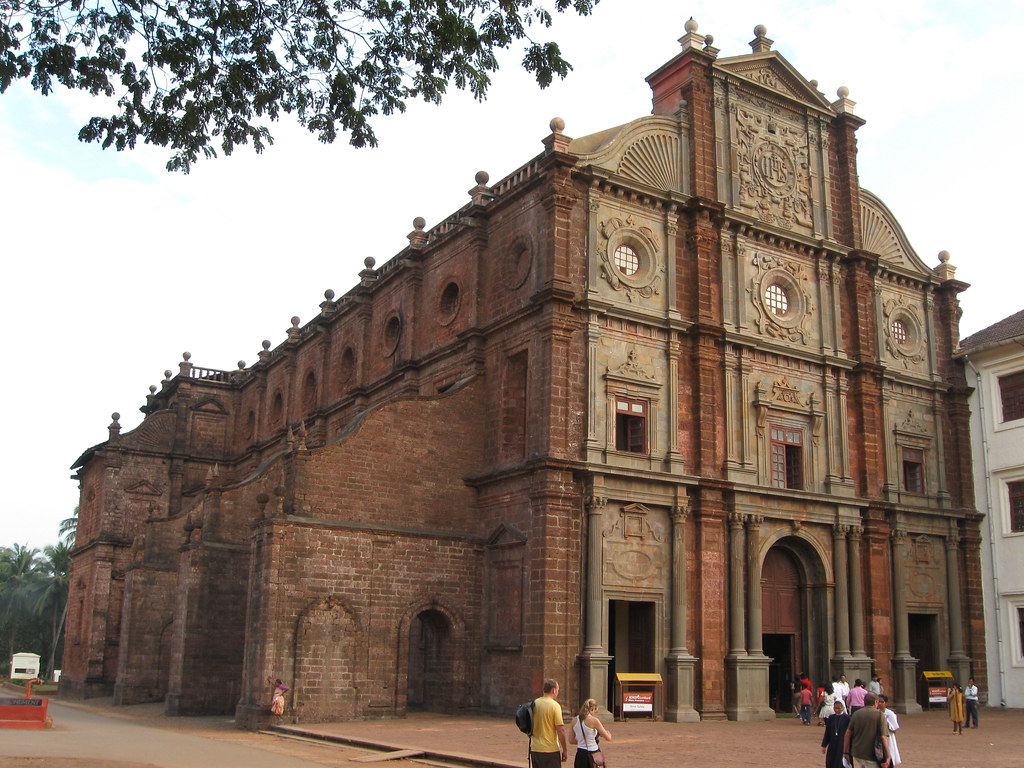
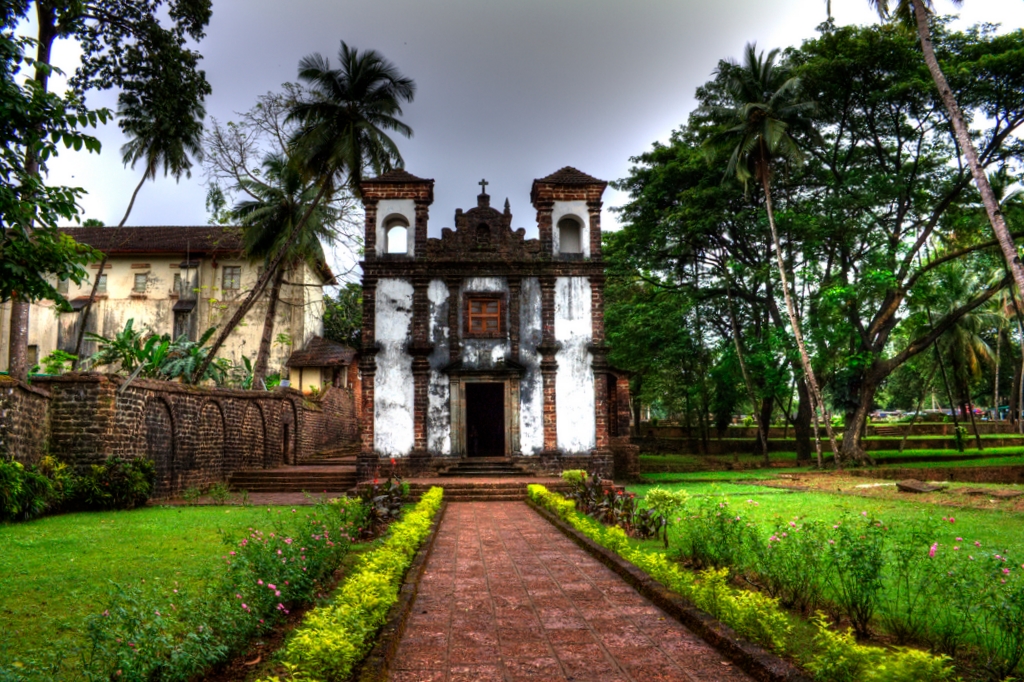
The Basilica of Bom Jesus (1605) holds the remains of St. Francis Xavier — one of the most important Catholic relics in Asia, displayed in a silver reliquary. Surrounded by other 16th-century churches, the Old Goa UNESCO complex stands as extraordinary Portuguese colonial architecture set in a tropical landscape.
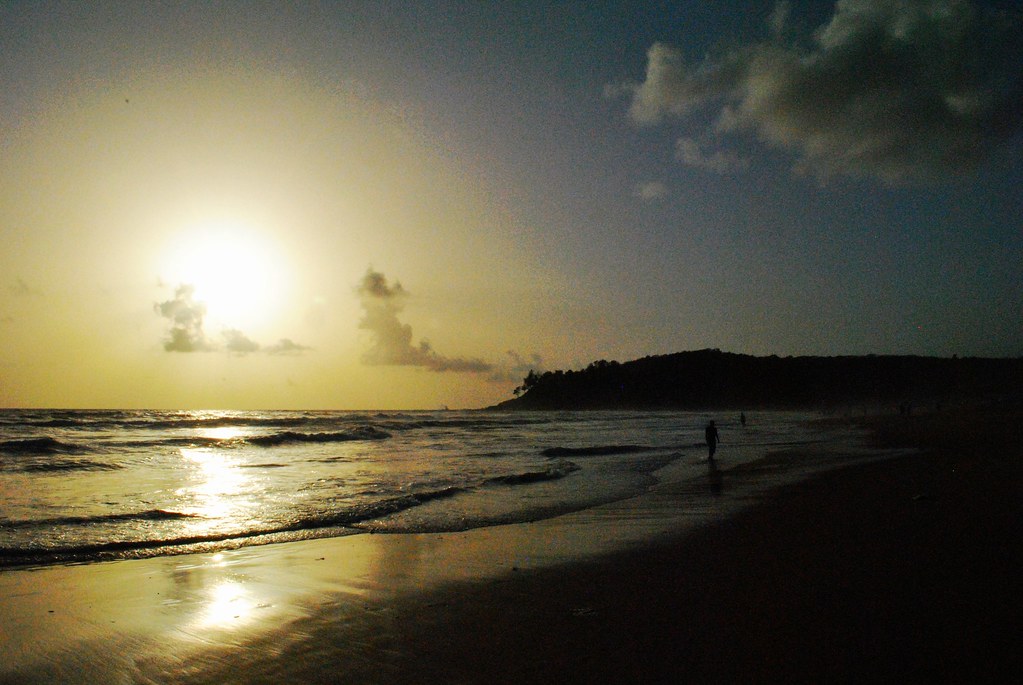
A crescent of white sand in South Goa — curved, calm, and lined with wooden beach huts run by the same Goan families for years. The most beautiful beach in Goa, significantly quieter than North Goa during the peak season.
Only reachable by a 20-minute boat ride from Palolem or a short jungle trek — Butterfly Beach is one of the most secluded stretches of sand in Goa. No shacks, no crowds, no noise. Named for the butterflies that emerge along the forest path. Come here for the kind of quiet that is increasingly rare in Goa.
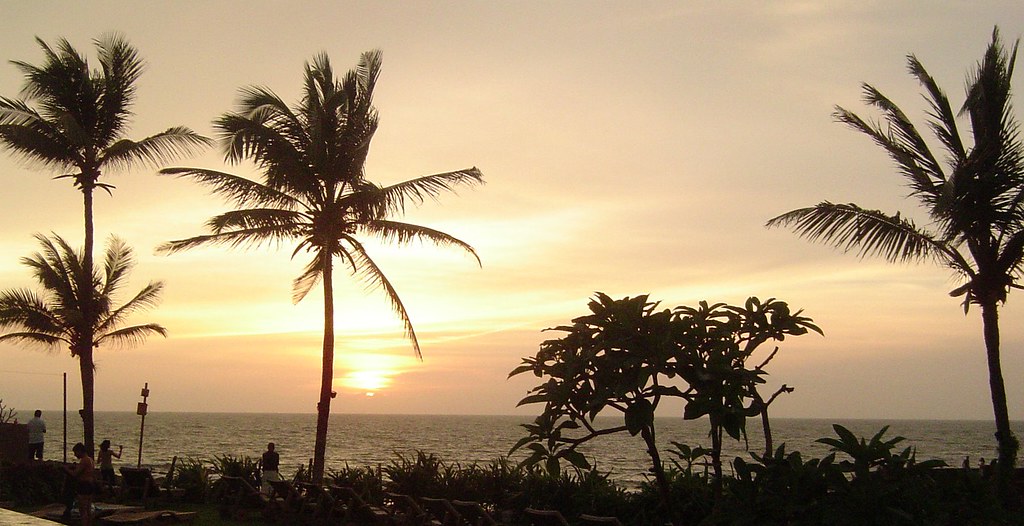
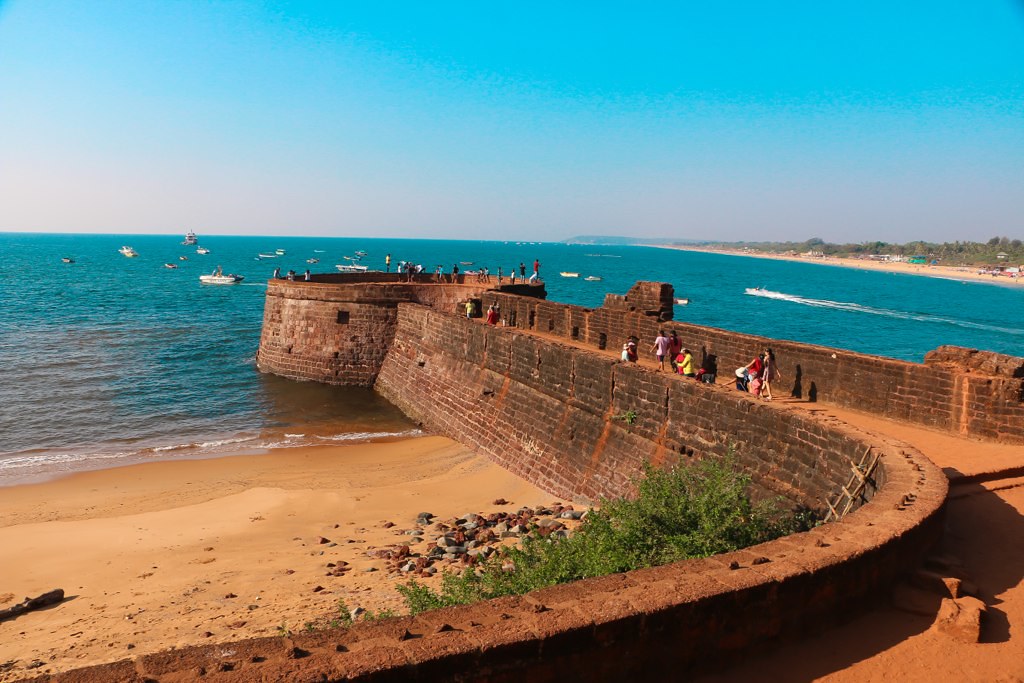
A 17th-century Portuguese fort perched above the Chapora River mouth with one of the most expansive views in Goa — the Arabian Sea to the west, the river estuary below, and the coast stretching to Vagator and Anjuna. The fort itself is atmospheric ruins rather than a museum. Sunset here is a reliable ritual.
Reached by a free government ferry from Old Goa, Divar Island sits in the Mandovi River with almost no tourist infrastructure and a community of old Goan Catholic families whose ancestors converted in the 16th century. Mango orchards, 500-year-old churches, whitewashed houses with carved wooden balconies, and roads quiet enough to walk. A completely unhurried Goa.
A cliffside hippie-era beach with a drum circle tradition, a freshwater lake behind the dunes, and a community of long-term travellers who have been here for decades. Entirely different in character from Palolem — livelier, more musical, more eccentric.
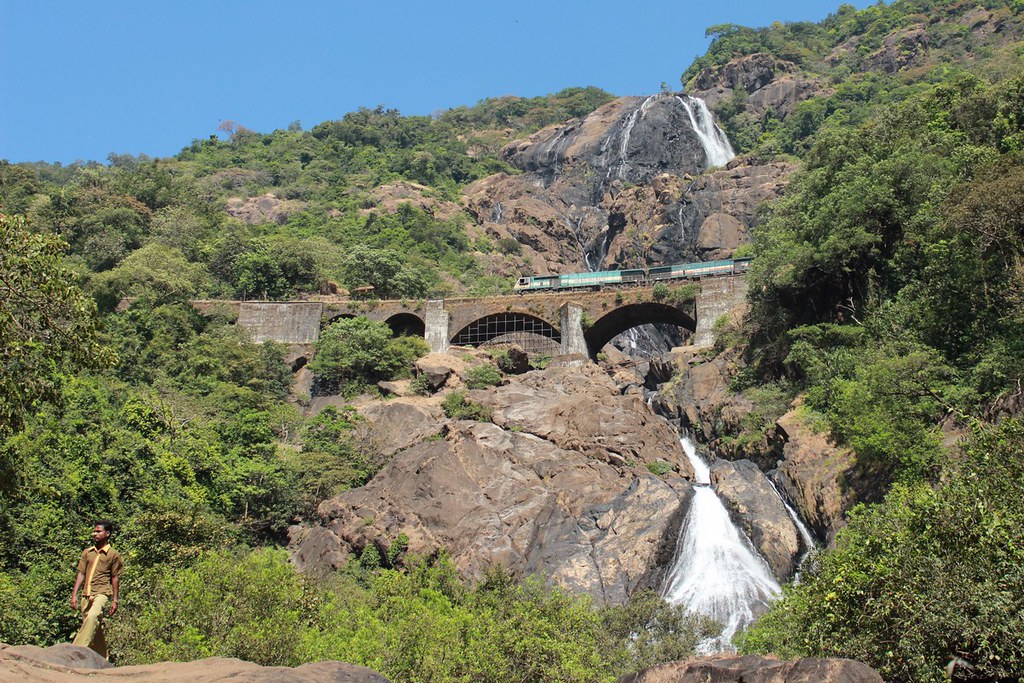
A four-tier waterfall on the Goa-Karnataka border — 310 metres high, accessible by jeep through the Bhagwan Mahavir Wildlife Sanctuary. The best season is October–November when the monsoon water is still running strong.
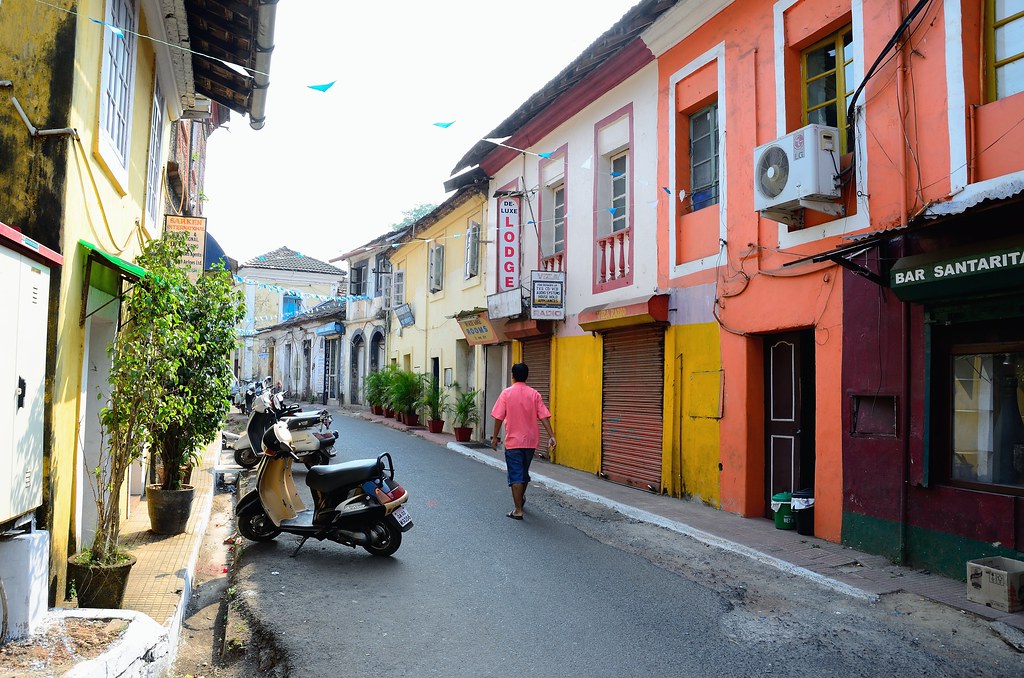
The Portuguese-era neighbourhood in the state capital — narrow streets of coloured houses with terracotta tiles, azulejo tile panels, and family-run Catholic guesthouses. The most atmospheric neighbourhood of Panjim.
Inland Goa, 30 minutes from Panjim — cardamom, nutmeg, vanilla, cinnamon, and pepper growing on family-owned plantations that offer guided tours and lunch. A completely different Goa from the beach circuit.
Things to Do
The most practical and most Goan way to move between beaches, churches, and plantations — a scooter gives you access to lanes and timing that taxis cannot. Helmets are required; traffic in North Goa is dense.
Early morning boat trips off North Goa's coast for spinner dolphins — reliable sightings, short ride, and the experience of open water at dawn before the beach crowds arrive. 90 minutes each trip, booked from Sinquerim or Candolim beach.
Goa has a serious yoga community — Arambol and Mandrem in North Goa, and the ashram culture around Agonda in South Goa, offer week-long retreats with genuine teachers. The beach setting and the absence of city noise makes Goa one of India's best yoga retreat locations.
Baga's nightlife — Tito's, Club Cubana, and LPK (Love Passion Karma) — is the most concentrated beach club scene in India. The strip runs from Baga Beach up into the hillside above, with open-air venues and DJs running well past midnight from November through March. The crowd is young, mixed, and genuinely festive. Come with energy and leave before dawn.
Running since the 1970s when Western hippies first arrived in Anjuna, the Wednesday Flea Market is one of the longest-running outdoor markets in Goa — clothing, jewellery, antiques, spices, and Kashmiri craft traders. Arrive early for the quality stalls; stay for the beach shack lunch afterwards. Distinctly more local and characterful than the newer Arpora Night Market.
Goa is one of the only places in India where casino gambling is legal — and several large floating casinos are permanently moored on the Mandovi River in Panjim. Deltin Royale is the largest; Casino Pride is smaller and less crowded. Entry includes unlimited food and some games. A uniquely Goan evening that has no equivalent anywhere else in the country.
A weekly night market in North Goa — local designers, antique dealers, Tibetan handicraft sellers, and Goan food stalls in a banyan-tree-lit outdoor setting. The most interesting outdoor shopping experience in Goa.
The inland rivers and mangroves behind the north Goa coast can be explored by kayak — bird-rich, quiet, and an entirely different environment from the beach. Half-day guided trips run from Chapora and Mandovi river launch points.
Panjim's Portuguese quarter at 7am — before the day warms and the lanes fill — coloured houses, azulejo tile panels, and wrought-iron balconies are best explored at the hour when Goan families are still taking their morning chai on the steps.
Food to Try
The Goan daily meal — kingfish or pomfret in a coconut-based red curry with kokum (a souring fruit), served with boiled rice. Available at every local restaurant; the family-run beach shacks of South Goa make it best.
A fiery pickle of prawns in a vinegar-based sauce with Kashmiri chilli, garlic, and spices — intensely flavoured, stored in jars, and used as a condiment or main dish. The Portuguese-Indian fusion tradition at its most characterful.
Goa's defining dessert — a 16-layer coconut milk and egg yolk pudding that takes a full day to make (each layer individually baked). The best is made at home; the commercial versions sold at Panjim bakeries are the next best thing.
A roasted coconut and poppy seed curry — chicken or lamb — with a complex spice profile that is entirely different from North Indian curries. The slow-roasting of whole spices before grinding is what makes it distinctive.
The old Catholic bakeries in Panjim serve bebinca, bolinhas (coconut cookies), and dodol (palm jaggery sweet) — a pastry tradition brought by the Portuguese and maintained by Goan Catholic families for centuries.
Goa's native spirit — distilled from cashew apple juice or coconut toddy, with a sharp, fruity character entirely unlike imported spirits. The cashew feni, made in March and April from the annual harvest, is the version worth seeking out at a beach shack in the know.
Places to Stay
On a private stretch of Benaulim Beach in South Goa — 140 acres of gardens, a lagoon pool, and a beach that stays uncrowded even in peak season. One of India's flagship luxury beach resorts, with Goa's most consistent food and service operation.
A small boutique property in a restored 200-year-old Portuguese home in Majorda, South Goa — 7 rooms, a pool in the garden, and the kind of personal attention that large resorts cannot offer. Owned and run by a British-Indian family; the food is exceptional.
A converted Portuguese mansion on the Mandovi River in North Goa, with a pool, gardens, and a riverside terrace. Heritage property with genuine colonial character — the kind of place that makes the Goa postcards but that most visitors never find.
A private-hire beach house on a remote stretch of North Goa's Mandrem beach — one of the most secluded and beautiful properties on the coast, bookable only as a whole. For groups who want Goa entirely to themselves.
A well-run social hostel on Palolem Beach — one of South Goa's most beautiful coves. Dorm and private rooms, a communal kitchen, and a beach location that gives you Palolem's famous clear water from the door. The correct budget base for South Goa.
A luxury resort in the rice paddies of South Goa's Majorda area — set back from the beach, with a pool that overlooks the paddy fields, and an aesthetic that is more South Asian than the typical beach-resort international template. One of the most thoughtfully designed luxury properties in Goa; best for those who want a quiet luxury experience rather than a beach party.
Solo Female Travel
The party atmosphere of North Goa (Baga, Calangute, Anjuna) is real and concentrated. South Goa — Palolem, Agonda, Patnem — has a completely different character: quieter, smaller guesthouses, fewer crowds, and a substantially more relaxed atmosphere for solo women.
The illuminated beach shack strips in South Goa are safe and active until midnight. Moving away from lit areas after dark — on scooter or on foot — requires the same awareness as anywhere in India. Prefer early evenings on beaches you don't yet know.
The retreat culture around Arambol and Mandrem has a long tradition of hosting solo women travellers. Week-long or month-long retreats typically include accommodation and create a built-in community. Many women come to Goa alone and leave with lasting connections.
Plan Your Trip
We know which beach shacks are family-run, which spice plantations give genuine tours, and how to combine Old Goa's history with a week in South Goa without rushing either.
Start PlanningFree consultation · No obligation · Reply within 24 hours
Free Resource
Download The Essential Women's Guide to India — our free, no-fluff resource covering what to pack, what to expect, and what no travel blog will tell you. Trusted by 2,000+ women.
Prefer to speak directly? hello@roamrani.com