North India · Travel Guide
Delhi is not one city — it is seven, stacked over a thousand years of empire. Old Delhi, Mughal monuments, the Lodhi Art District, Nizamuddin's qawwali evenings, and street food that rewards the traveller who knows where to look.
Places to Visit
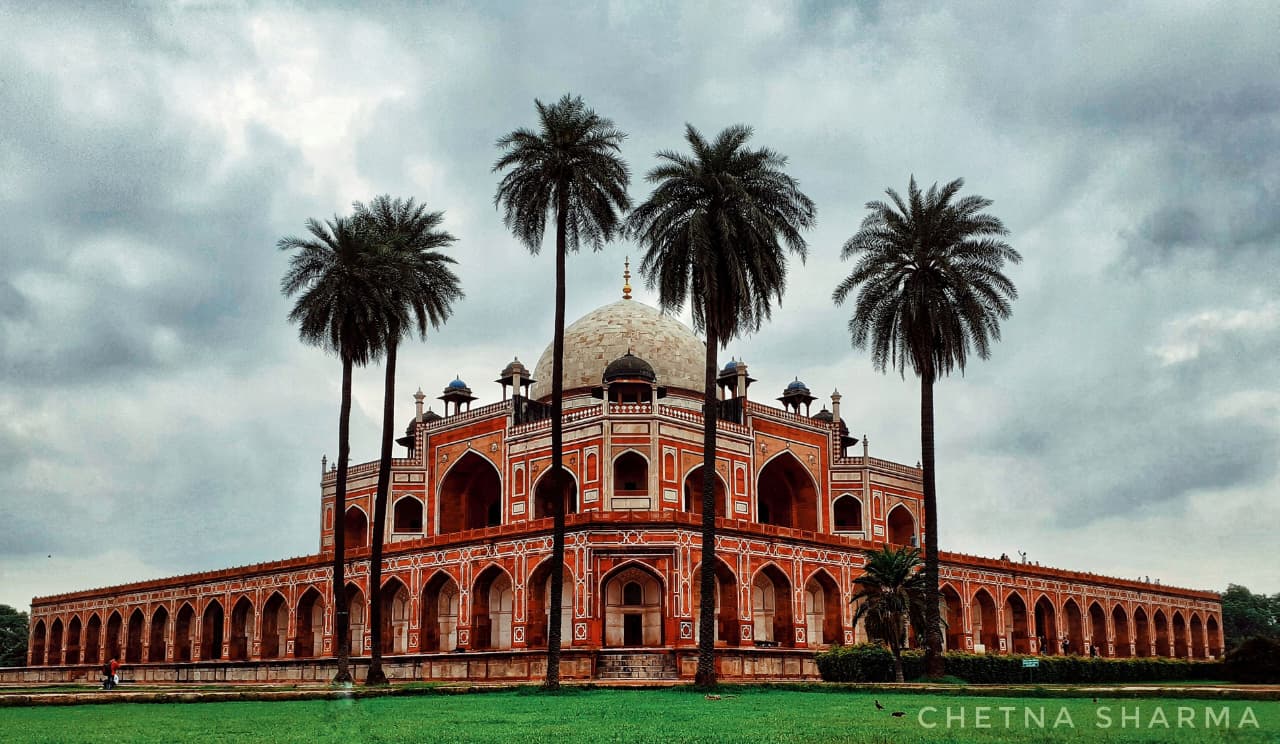
The 1572 Mughal mausoleum that directly inspired the Taj Mahal — less crowded, more serene, and arguably more beautiful at quiet hours. Gardens designed in the Persian charbagh style, with water channels dividing symmetrical formal lawns.
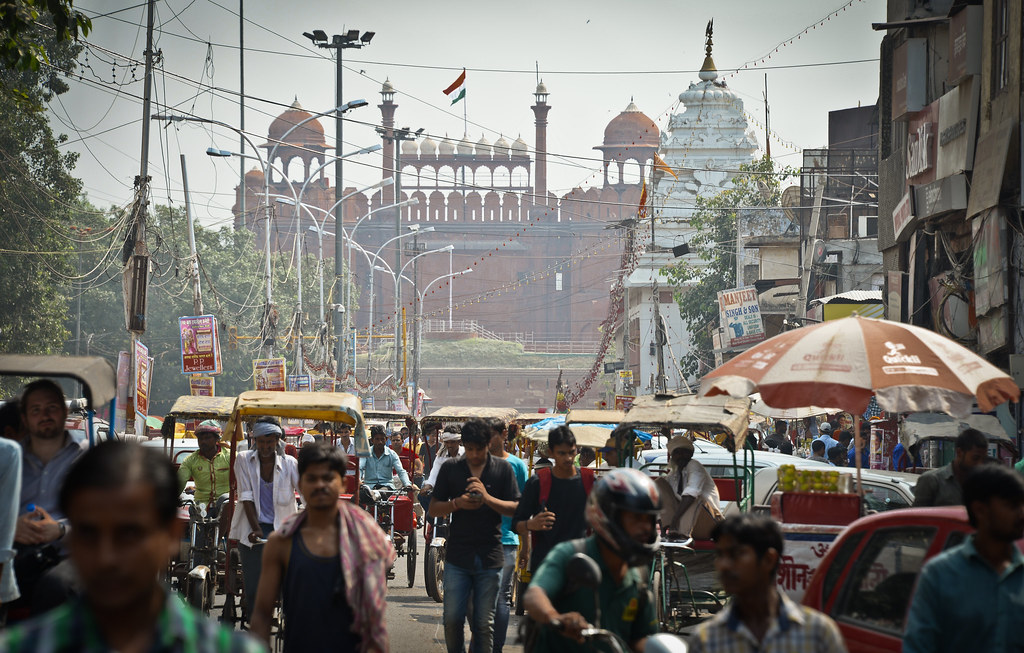
Old Delhi's 17th-century market street: spice sellers, silver jewellers, sari vendors, and the best street food in the city compressed into lanes built for bullock carts. Best at 7am before the heat and crowds arrive together.
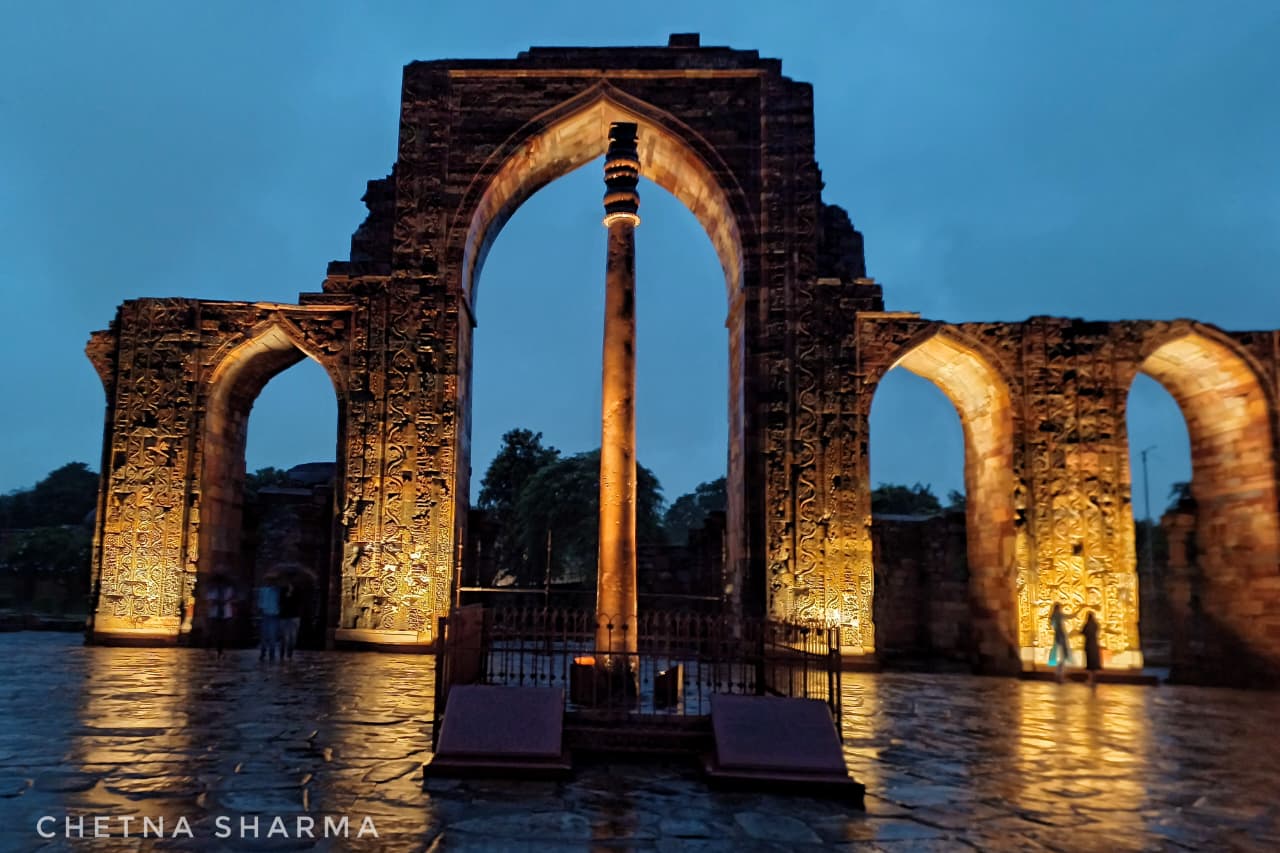
A 73-metre minaret begun in 1193 — the tallest brick minaret in the world, surrounded by the ruins of Delhi's first mosque and inscriptions in three scripts. The complex contains 1,000 years of architectural history in a single courtyard.
The seat of Mughal power from 1648, a vast sandstone and marble complex whose walls still contain palace halls, audience chambers, and gardens. Best visited with a guide who can restore what time and later occupations stripped away.
A neighbourhood of 16th-century Mughal tombs where contemporary street murals by international artists now cover entire building facades. One of Delhi's most surprising and photogenic walks — Mughal tomb and contemporary mural in the same frame.
The 14th-century shrine of Sufi saint Hazrat Nizamuddin Auliya, where qawwali devotional music fills the courtyard every Thursday evening. Non-Muslims are genuinely welcome. One of Delhi's most moving experiences for any open-minded visitor.
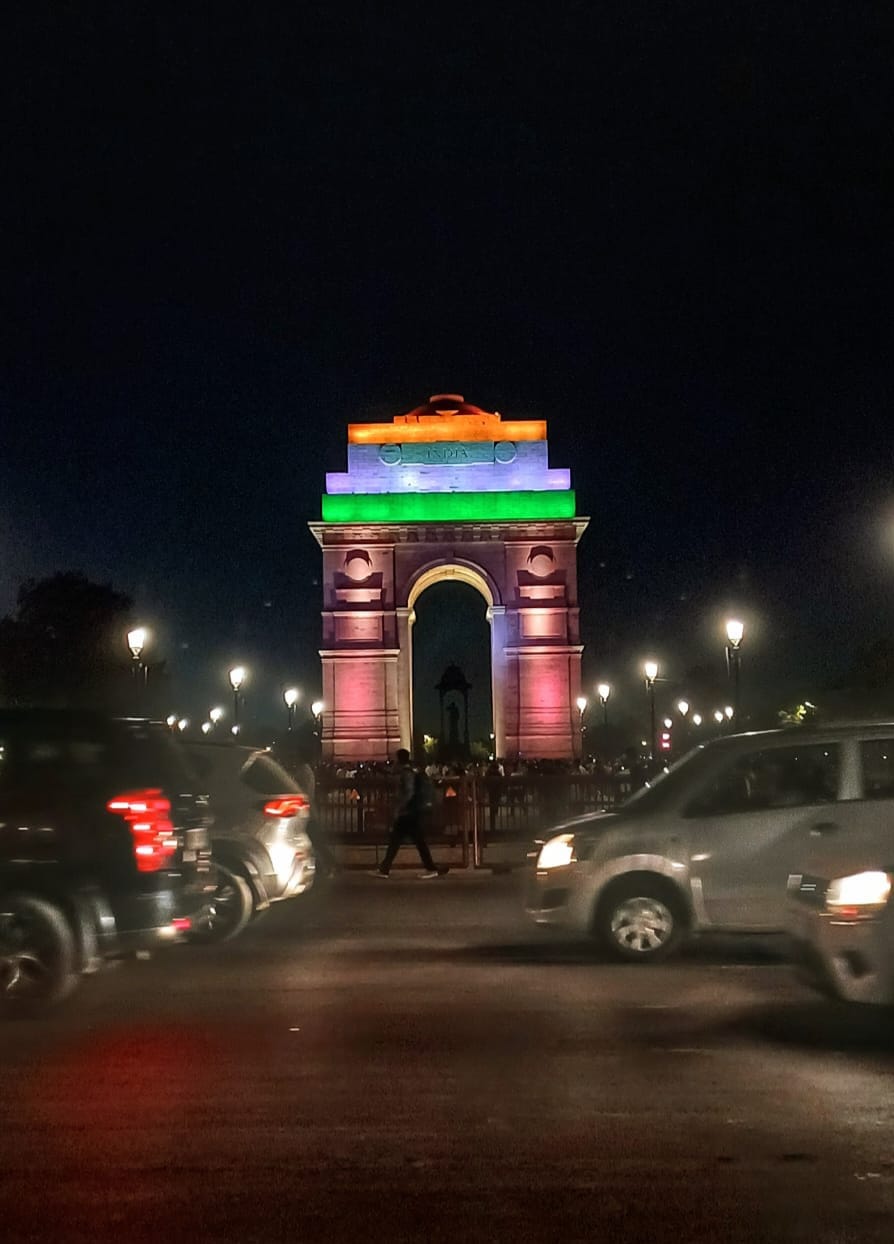
The 42-metre war memorial at the heart of New Delhi, built in 1931 to honour 70,000 Indian soldiers. A grand axis through Lutyens' Delhi — best visited at dawn before the crowds arrive, or at dusk when it is lit against the sky.
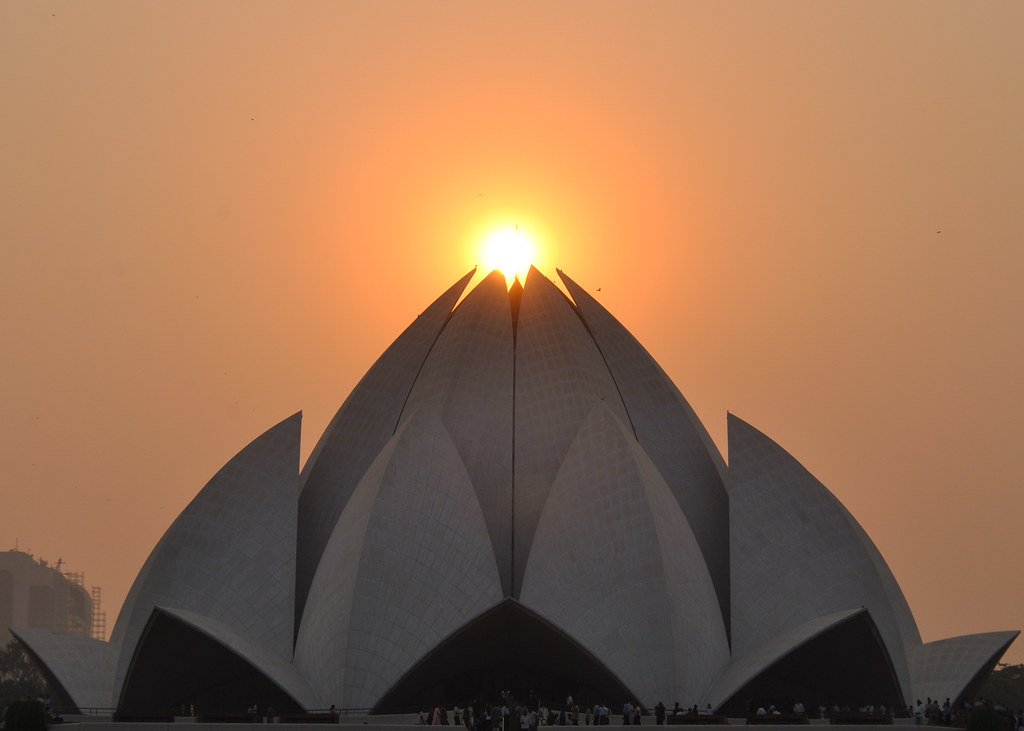
The Bahá'í House of Worship completed in 1986 — 27 marble petals folding into a lotus form that welcomes visitors of all faiths for silent meditation. One of the most visited buildings in the world, and genuinely serene inside.
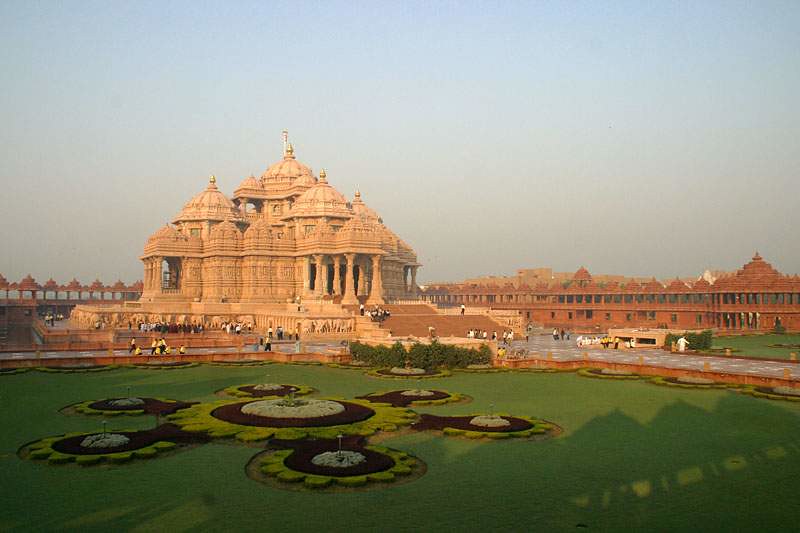
A vast 2005 Hindu temple complex on the Yamuna riverbank, with intricate pink sandstone carvings covering every surface. The scale is staggering; the detail is extraordinary. Allow three hours and visit in the late afternoon for the best light.
The house where Mahatma Gandhi spent his final 144 days before his assassination in 1948. A quietly powerful museum of personal objects, correspondence, and the garden path — marked in footsteps — that he walked for the last time.
India's Presidential Palace, a 340-room Lutyens-designed building completed in 1929 — larger than Versailles. The Mughal Gardens are open to the public in spring; guided tours of selected state rooms run on select weekends.
India's largest mosque, commissioned by Shah Jahan in 1656 and completed by 10,000 workers over six years. The courtyard holds 25,000 worshippers; non-Muslims may visit outside prayer times. Climb the south minaret for Old Delhi views.
A 60-step medieval stepwell attributed to the legendary King Agrasen, hidden between modern office towers in Connaught Place. One of Delhi's most atmospheric and least-crowded monuments — green-tinged water at the base, 103 arched niches above.
A 90-acre park enclosing the 15th-century tombs of the Sayyid and Lodi dynasties. Where Delhiites come to walk at dawn before the city wakes — joggers weave past Mughal mausoleums, rose gardens, and ancient stepwells in the same quiet morning.
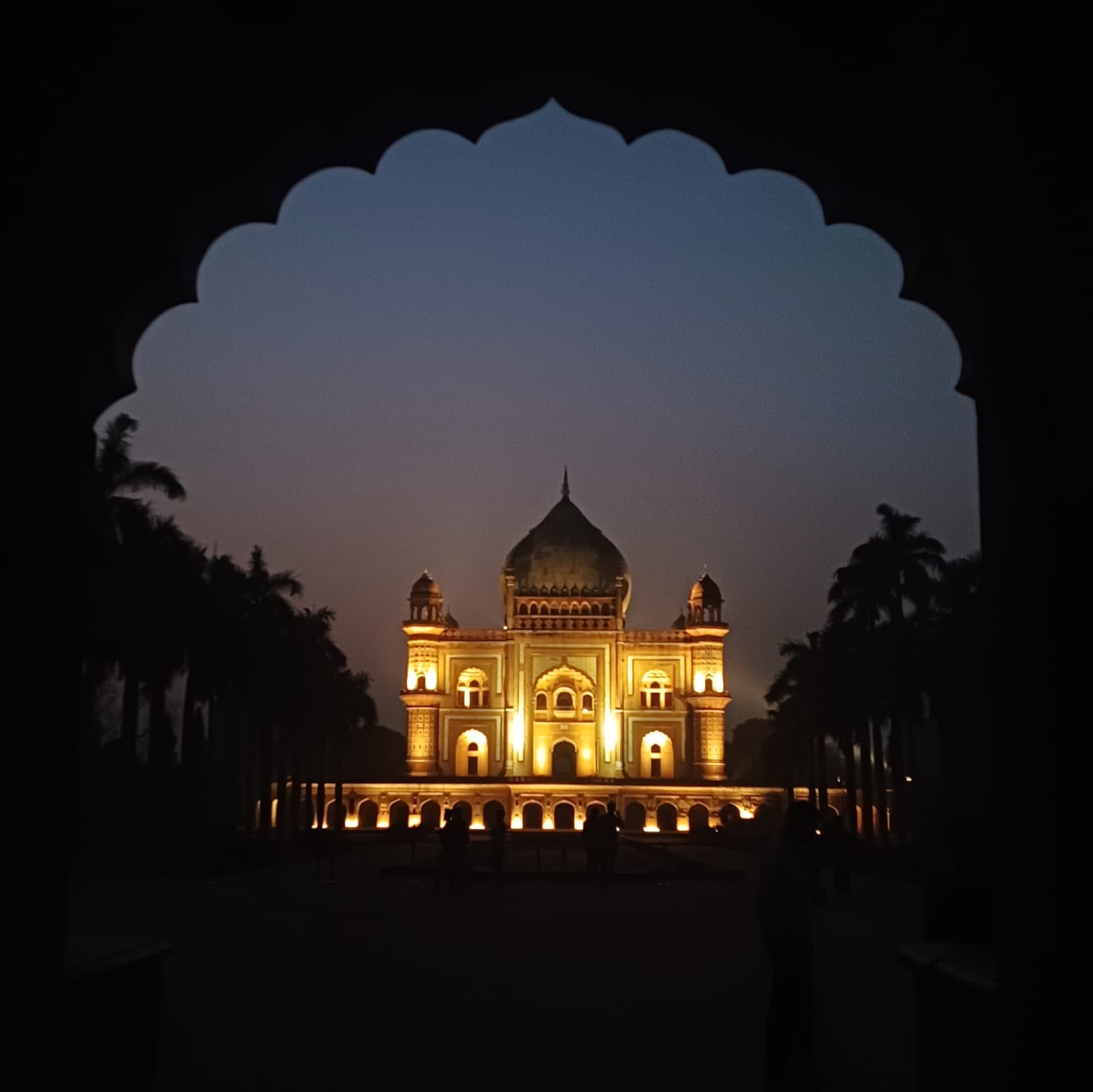
The last great Mughal garden tomb, built in 1754 for the Prime Minister of the Mughal court. Quieter than Humayun's, less visited than Qutub — which makes it one of the few places in Delhi where you can stand inside a Mughal monument in near silence.
Things to Do
Parathe Wali Gali at 7am: stuffed flatbreads fried in ghee, served with chutneys, in a lane that has operated since the 18th century. Before the heat and noise make it overwhelming.
The most atmospheric way to move through the lanes around Jama Masjid — narrow enough that cars cannot follow, slow enough to experience the city at human pace.
Arrive an hour early for a spot near the shrine. The devotional singing begins after Maghrib prayers and continues for hours. An experience that most Delhi visitors never manage to find.
India's finest museum — the Indus Valley civilisation gallery alone justifies the visit, with artefacts from 2500 BCE. Allow three hours minimum; it is enormous and almost always undervisited.
A medieval reservoir and madrasa complex from the 14th century, now surrounded by boutique shops and rooftop cafés. The ruins are genuine; the surrounding neighbourhood has grown entirely around them.
The Delhi Metro is air-conditioned, safe for women (dedicated women's coach on every train), and connects most major sights. Riding it is itself an experience in a megacity of 30 million.
Delhi's most prominent Sikh Gurdwara, open to visitors of all faiths around the clock. Watch the daily langar — a free community kitchen feeding thousands — and sit quietly by the sacred sarovar. A deeply calming counterpoint to the city's noise.
The circular British-era commercial hub at New Delhi's centre: Georgian colonnades, bookshops, coffee roasters, and some of Delhi's best restaurants arranged around a central park. The hour before sunset, when the white arcade glows amber, is the best time to walk.
Food to Try
Spiced chickpea curry with deep-fried puffed bread — Delhi's definitive breakfast, best eaten standing at a street stall in Old Delhi before 9am.
Invented in Delhi in the 1950s at Moti Mahal restaurant in Daryaganj. The original is richer and less sweet than most exported Western versions.
Pretzel-shaped fried batter soaked in sugar syrup, served hot from the pan at Old Delhi sweet shops. The contrast between the crisp exterior and syrup interior holds for about four minutes.
The lane of stuffed flatbreads — potato, paneer, mixed vegetable, even rabri (sweet) — off Chandni Chowk, operating continuously since the Mughal era.
Gol gappe (pani puri), papdi chaat, and aloo tikki from Khan Market or Lajpat Nagar — sweet, sour, spicy, and entirely unlike chaat served anywhere else in India.
The Mughal version — saffron-layered, slow-cooked, meat pulled apart rather than cubed — at Old Delhi restaurants that have made it the same way for three generations.
Places to Stay
A 1936 Art Deco landmark on Janpath, one block from Connaught Place. The corridors are a gallery of colonial-era art and furniture; the afternoon tea is an institution. One of India's genuinely great heritage hotels — not a converted palace but a purpose-built grand hotel that has retained its original character.
A contemporary luxury hotel in the Lodhi Colony neighbourhood, surrounded by 15th-century Mughal tombs. Each room has a private plunge pool. The spa and restaurants rank among Delhi's finest. A quieter, more residential Delhi than most hotel locations offer.
Tucked inside an aerocity enclave near the airport — useful for arrivals and departures, but also simply a beautiful hotel with gardens, a pool, and the kind of calm that central Delhi rarely offers. Practical and genuinely good.
A restored 19th-century haveli inside the lanes of Old Delhi, 500 metres from Jama Masjid. The rooftop restaurant overlooks the mosque's minarets. One of the most atmospheric places to sleep in India — the lanes outside are everything Old Delhi is, which makes the haveli's calm interior all the more striking.
A design-forward mid-range hotel on Janpath, central to Connaught Place, the National Museum, and several of Delhi's best restaurants. Clean, contemporary, honest value in a city where mid-range hotels often disappoint.
A 1950s hotel on Aurangzeb Road near Lodhi Colony — the most elegant of Delhi's mid-century grand hotels. The colonnaded facade, the gardens, and the Dhaba restaurant (one of Delhi's oldest) give it a character that newer five-stars cannot manufacture. A quieter, more residential Delhi than Connaught Place hotels offer.
Solo Female Travel
Every Delhi Metro train has a dedicated women's-only coach (first and last). Safe, air-conditioned, and removes the most common source of discomfort in crowded transport.
Chandni Chowk and the lanes around Jama Masjid are genuinely disorienting and the attention from vendors can be relentless. A guide who knows the area changes the experience completely.
Lodhi Colony, Hauz Khas, Khan Market, and the Lodhi Art District are comfortable to walk independently. Wide streets, café culture, and a different demographic from Old Delhi.
RoamRani arranges vetted, police-verified private vehicles for all transfers. Pre-booked transport with a known driver is always safer than hailing a cab on the street — particularly after dark.
In Chandni Chowk, Jama Masjid, and the lanes around Nizamuddin, a dupatta or light scarf worn over the shoulders reduces unwanted attention significantly. It takes thirty seconds and changes how vendors and locals interact with you entirely.
South Delhi neighbourhoods — Hauz Khas, Lodhi Colony, Greater Kailash — are comfortable to navigate alone until late evening. Old Delhi and isolated monument areas are best avoided after dark without a trusted guide or group. The distinction matters and is worth knowing.
Plan Your Trip
Most visitors spend two days in Delhi and leave overwhelmed. Our guides know which version of the city you came for — and how to show it to you on your terms.
Start PlanningFree consultation · No obligation · Reply within 24 hours
Free Resource
Download The Essential Women's Guide to India — our free, no-fluff resource covering what to pack, what to expect, and what no travel blog will tell you. Trusted by 2,000+ women.
Prefer to speak directly? hello@roamrani.com