Rajasthan · Travel Guide
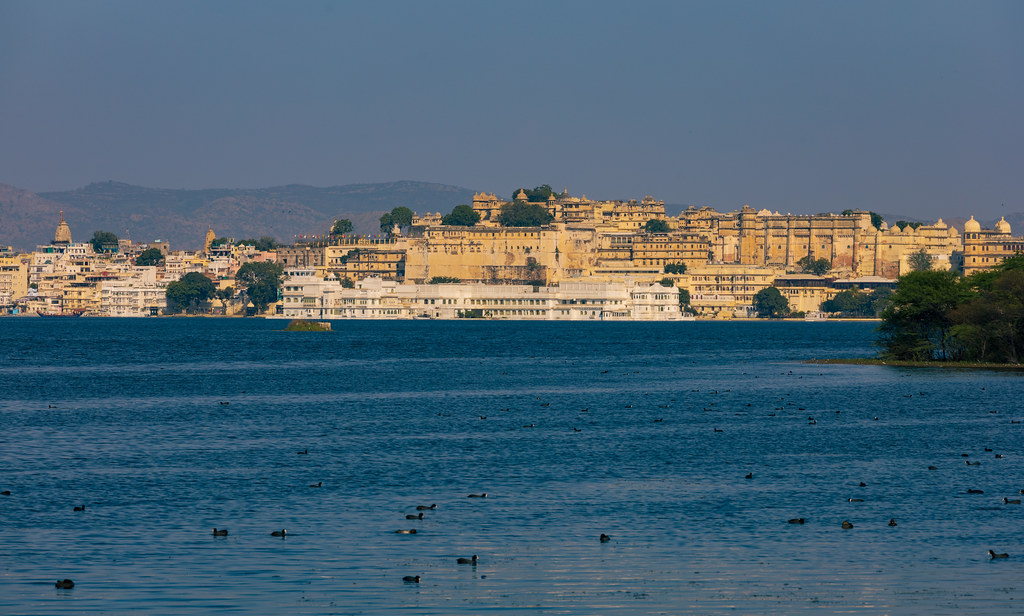
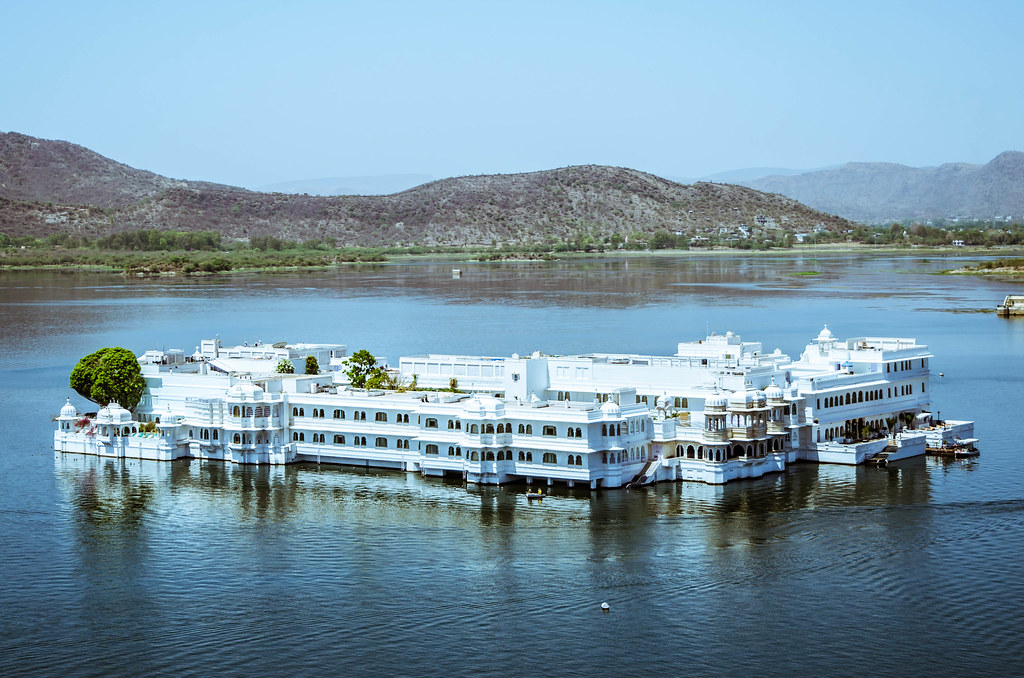
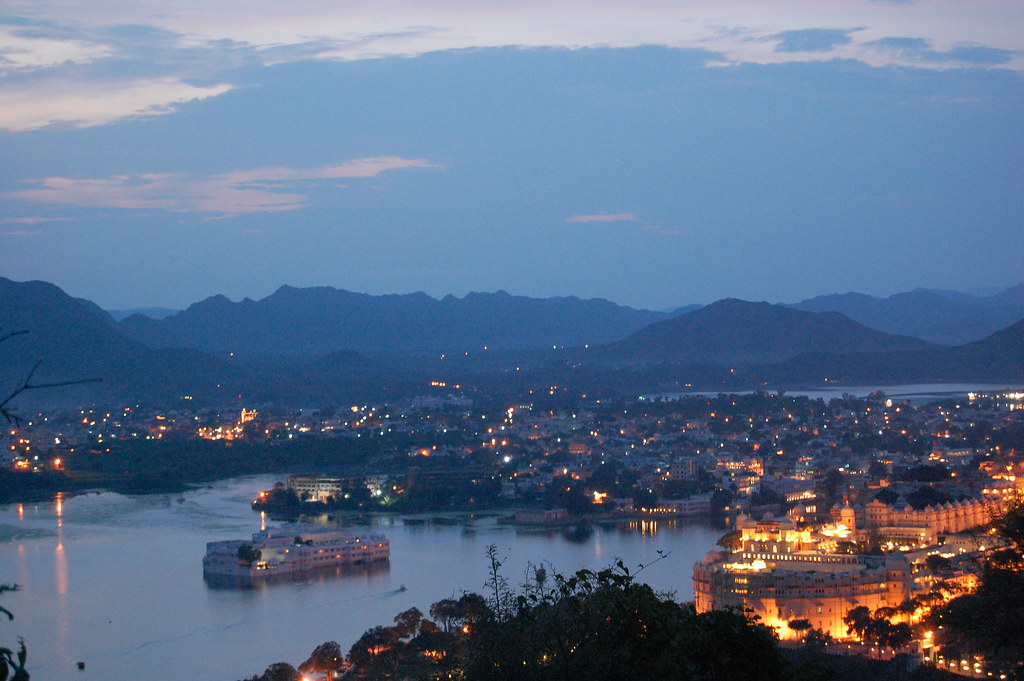
Lake Pichola at golden hour — the City Palace reflected in still water, the Lake Palace Hotel floating at the centre like a mirage. Udaipur is the most romantic city in India and one of its most welcoming for women travelling solo.
Places to Visit
The largest palace complex in Rajasthan — built by 22 consecutive Maharanas across 400 years, each adding their own distinctive layer. The result is an extraordinary accumulation of courtyards, audience halls, and mirror rooms overlooking Lake Pichola.
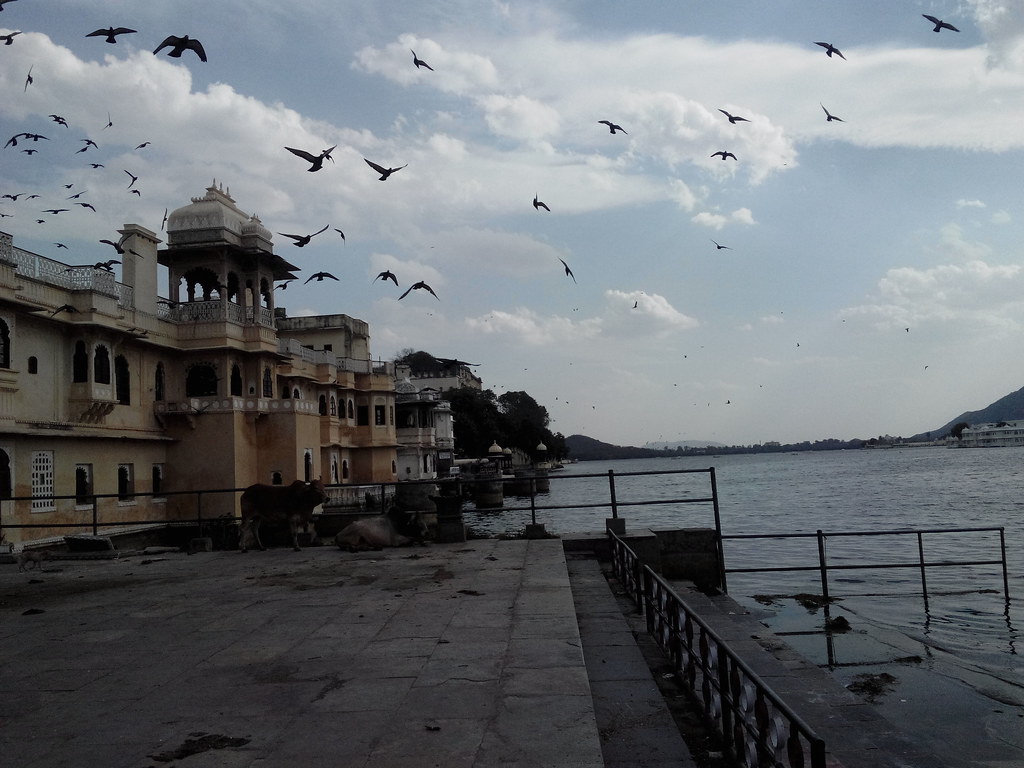
An artificial lake created in 1362, now the centre of Udaipur's identity — with the City Palace on its eastern bank and the Lake Palace Hotel (a former royal summer residence) floating at its centre. The lake seen from Ambrai Ghat at golden hour is the definitive Udaipur experience.
The Garden of Maidens — built by Maharana Sangram Singh II for the royal women's companions, a formal garden of fountains, marble pavilions, and lotus pools that has been women's space for three centuries. Still genuinely serene and unhurried.
A 17th-century temple to Vishnu in the middle of the old city, with carved stone walls and an active congregation — priests performing daily rituals, musicians in the courtyard, flower sellers at the entrance. Not a monument: a fully functioning Hindu temple.
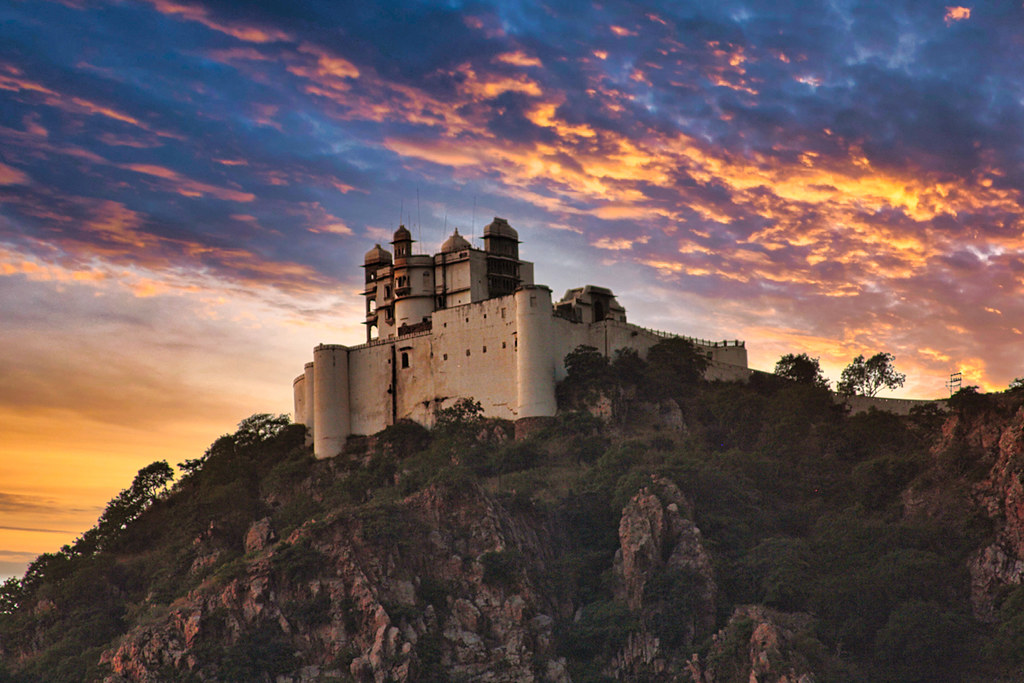
5 kilometres above the city — a hilltop palace built to watch the monsoon approach. The views over Udaipur and its lakes, ringed by the Aravalli hills, are reason enough to make the drive.
A living craft village outside the city where artisans from across Rajasthan demonstrate traditional crafts — block printing, pottery, puppetry, weaving. The annual fair in December brings the widest range.
The family deity of the Mewar royal dynasty — 22 km north of Udaipur, active since the 8th century. A complex of 108 shrines in white marble and sandstone, with the Maharana of Udaipur still visiting every Monday. Not a monument: a temple of continuous living devotion.
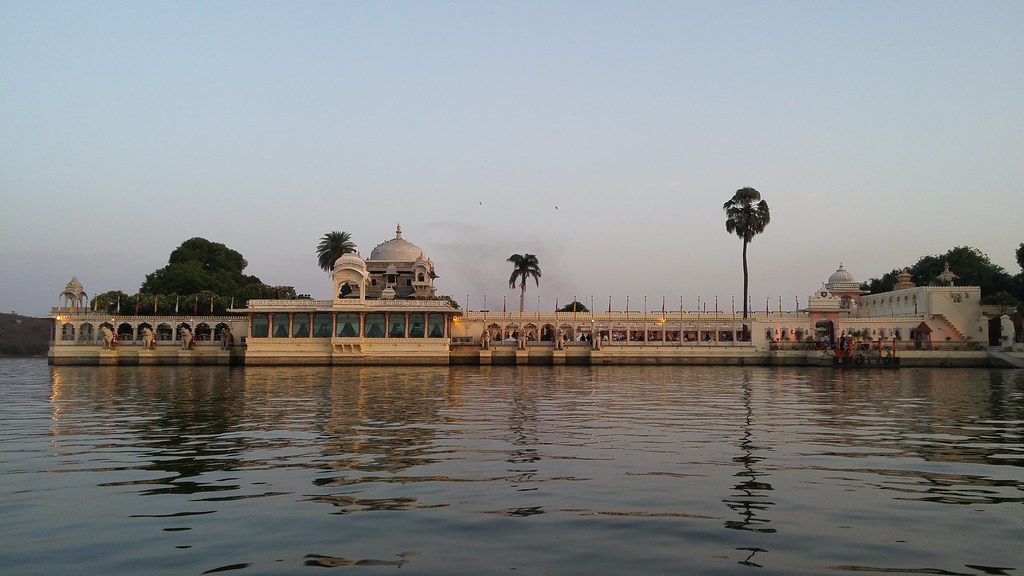
A palace on an island at the southern end of Lake Pichola, begun in 1620 — built in white marble, its landing guarded by a row of ornamental stone elephants. Shah Jahan took refuge here as a Mughal prince. The views from the island back across the lake to the City Palace are some of the finest in Udaipur.
A hilltop viewpoint on the edge of the city — quieter than Monsoon Palace and preferred by locals at sunrise and sunset. The panorama over Udaipur's interconnected lake system and the Aravalli hills is exceptional. No tour buses; the experience is correspondingly more personal.
A marble temple on a hilltop above the city, reached by cable car from Doodh Talai. The views over Lake Pichola and the old city from this height are among the finest in Udaipur — the cable car ride alone is worth it for the perspective it gives on how the city is arranged around its lakes.
Things to Do
A private boat from Bansi Ghat at 5:30pm — the lake turns the City Palace gold, the Lake Palace goes white against a darkening sky, and the Aravalli hills fade blue in every direction. 45 minutes that justify the entire trip to Udaipur.
Several old havelis in the city operate as family-run guesthouses with rooftop restaurants. The owners are present; the food follows the family recipe. Completely different from a hotel restaurant.
The royal family's collection of vintage automobiles — including a 1934 Rolls Royce used to carry tigers on shoots — displayed in a heritage building. Surprisingly interesting even for non-car enthusiasts; the royal context is the draw.
The lanes between the Jagdish Temple and Ambrai Ghat are narrow, atmospheric, and contain a density of miniature painting studios, silver shops, and chai stalls that rewards slow exploration. Context from a knowledgeable guide converts looking into real understanding.
Several Udaipur families offer cooking classes — dal baati churma, laal maas, gatte ki sabzi — in their home kitchens. The format is personal and the instruction comes from people who have made these dishes since childhood.
A 17th-century lakeside haveli — now a museum of Rajasthani culture — hosts an evening performance of folk music, puppetry, and traditional dance. The rooftop has one of the finest unobstructed views of Lake Pichola, with tickets available at the door.
84 km north of Udaipur — a 15th-century Rajput fort with the second-longest wall in the world, enclosing 360 temples within its perimeter. The drive through the Aravalli hills is itself an experience. Best combined with the Ranakpur temples for a full day out of the city.
90 km north of Udaipur — one of the five holiest Jain pilgrimage sites in India. Built across 65 years in the 15th century with 1,444 individually carved marble pillars, no two identical. The interior, lit by high windows through white marble, is among the most extraordinary architectural achievements on the subcontinent.
160 km southwest of Udaipur in the granite boulder landscape near Bera — one of the highest leopard densities in the world, in an unusual coexistence with Rabari pastoralist communities. Tented camps here offer a wildlife experience entirely different from a national park: trackers on foot, no park gates, and a landscape unlike anywhere else in India.
Food to Try
Rajasthan's most famous meat dish — mutton in a fiery red sauce of Mathania chillis and whole spices, slow-cooked to the point where the fat renders and the sauce thickens. The authentic version is genuinely very hot.
Gram flour dumplings in a spiced yoghurt-based gravy — the traditional Rajasthani vegetarian dish, deeply satisfying, available at old city restaurants that make it fresh each day.
A desert bean and berry preparation — the signature vegetarian dish of Rajasthan's desert region, made from ingredients that survive without refrigeration in extreme heat. Tangy, unusual, and well worth seeking out.
The Rajasthani staple, available throughout Udaipur at traditional restaurants. Best when the baati is baked in a wood-fired oven and finished with pure ghee.
A complete Rajasthani thali — 8-12 small dishes including dal, sabzi, raita, pickle, and sweet — served on rooftop restaurants overlooking Lake Pichola. The combination of food and view is one of India's great dining experiences.
A thick, cold lassi with a layer of fresh malai poured on top — the Rajasthani version, served in clay cups at old city shops from 8am. Consumed immediately, in the street, after a morning walk through the lanes near Jagdish Temple.
Places to Stay
Built in 1746 as a royal summer palace and converted to a hotel — the most famous hotel in Rajasthan, floating on Lake Pichola. Access is by boat only. James Bond filmed here in Octopussy. The standard rooms are smaller than the mythology suggests; book a lake-view suite if you're going.
A 17th-century fort palace in the Aravalli hills, 28 kilometres from Udaipur — 39 suites, each individually designed, with a pool perched on the ramparts. One of India's most beautiful boutique hotels and a serious destination in itself.
A small heritage hotel directly on the banks of Lake Pichola, with terraced rooms that open directly over the water. Older building, simpler service, but the location and view are exceptional — and the price is a fraction of the Taj Lake Palace. The best value on the lake.
Part of the HRH Group of Hotels, occupying the royal City Palace complex on the lake's edge — staying here puts you inside the palace buildings that Maharana Fateh Singh used. The Crystal Gallery is within the same complex.
A well-run budget hostel in the old city, 10 minutes walk from the lake — rooftop with City Palace and lake views, dorm and private rooms, and a community of travellers on the Lake Pichola circuit. The correct option for budget-conscious visitors.
A contemporary luxury hotel on Lake Pichola's eastern shore, with lake-view rooms, a pool facing the City Palace, and a food and spa programme that matches the setting. The most operationally polished large luxury hotel on the lake — less historic than the Taj Lake Palace but with a broader range of room types and facilities.
Solo Female Travel
Harassment is less common in Udaipur than in many other Rajasthan cities — the atmosphere is genuinely more relaxed, the old city is walkable, and the tourist infrastructure is well-developed for independent travellers.
The Ambrai Ghat, Lake Pichola waterfront, and Jagdish Temple area remain active and well-lit until 10pm. Walking this area in the evening — with the City Palace illuminated — is one of the city's finest experiences.
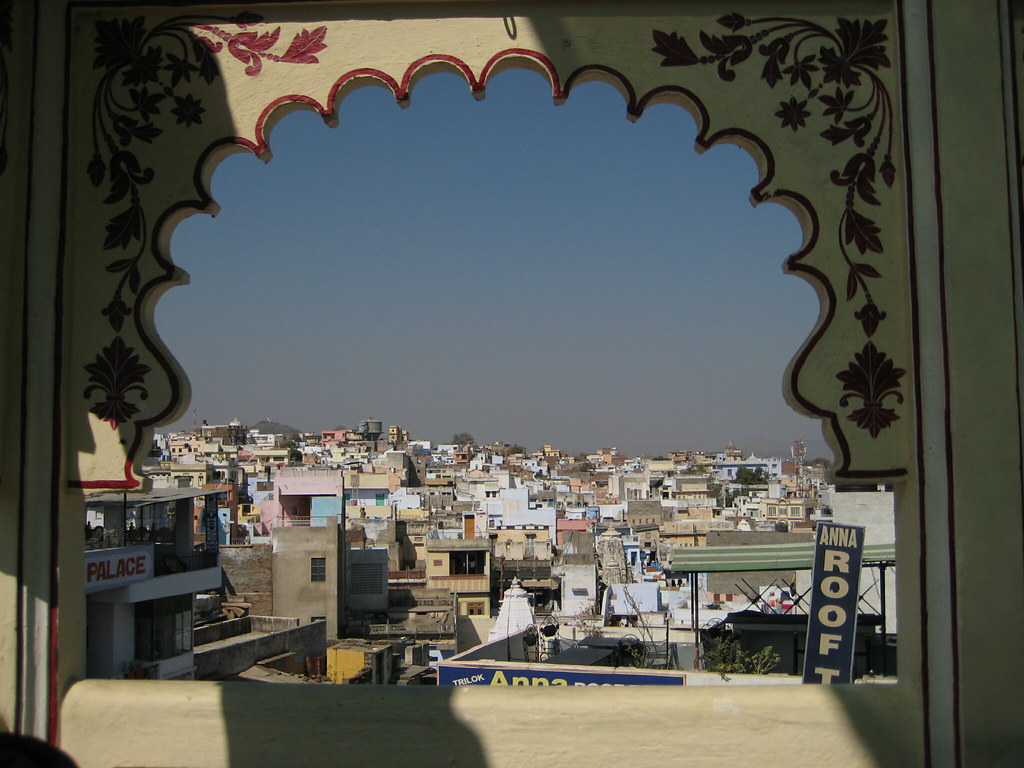
A haveli on the old city lanes — with rooftop lake views — is not a luxury add-on. It is the correct way to experience Udaipur, and the security and personal service that comes with a small, owner-operated property makes it the right choice for solo women.
Plan Your Trip
We know the haveli families, the private boat operators, and the cooking class hosts who do this because they love it. Udaipur done properly is entirely different from Udaipur done generically.
Start PlanningFree consultation · No obligation · Reply within 24 hours
Free Resource
Download The Essential Women's Guide to India — our free, no-fluff resource covering what to pack, what to expect, and what no travel blog will tell you. Trusted by 2,000+ women.
Prefer to speak directly? hello@roamrani.com