Rajasthan · Travel Guide
A 10th-century fortress rising from the jungle floor, ancient temple ruins reclaimed by roots, and Bengal tigers moving through dry deciduous forest at dawn. Ranthambore is where Rajasthan's desert heritage meets one of India's great wildlife sanctuaries.
Places to Visit
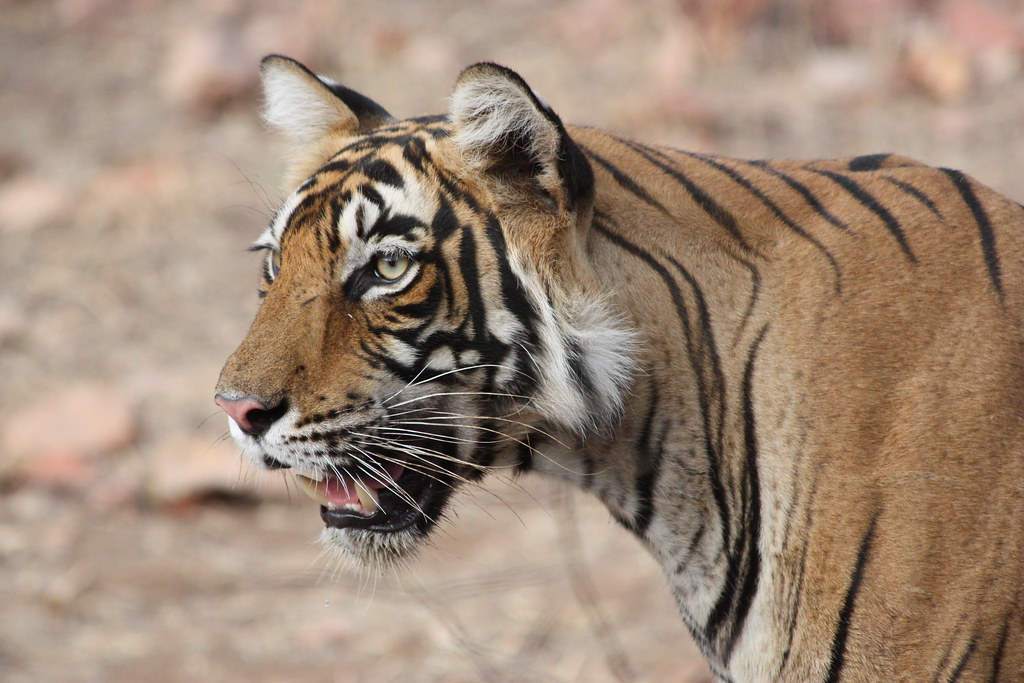
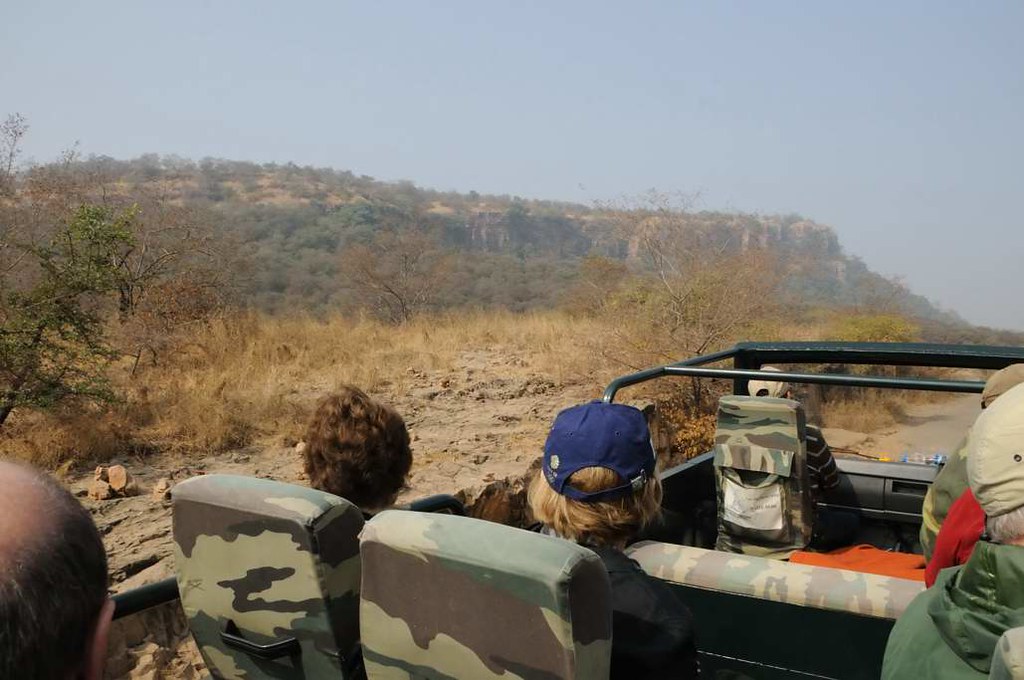
One of India's finest tiger reserves — 1,334 square kilometres of dry deciduous forest, grasslands, and lakes where Bengal tigers are seen with a frequency matched by almost no other park in the country. Safari zones 1–5 offer the most reliable tiger sightings; your guide determines which zone you enter on any given morning.
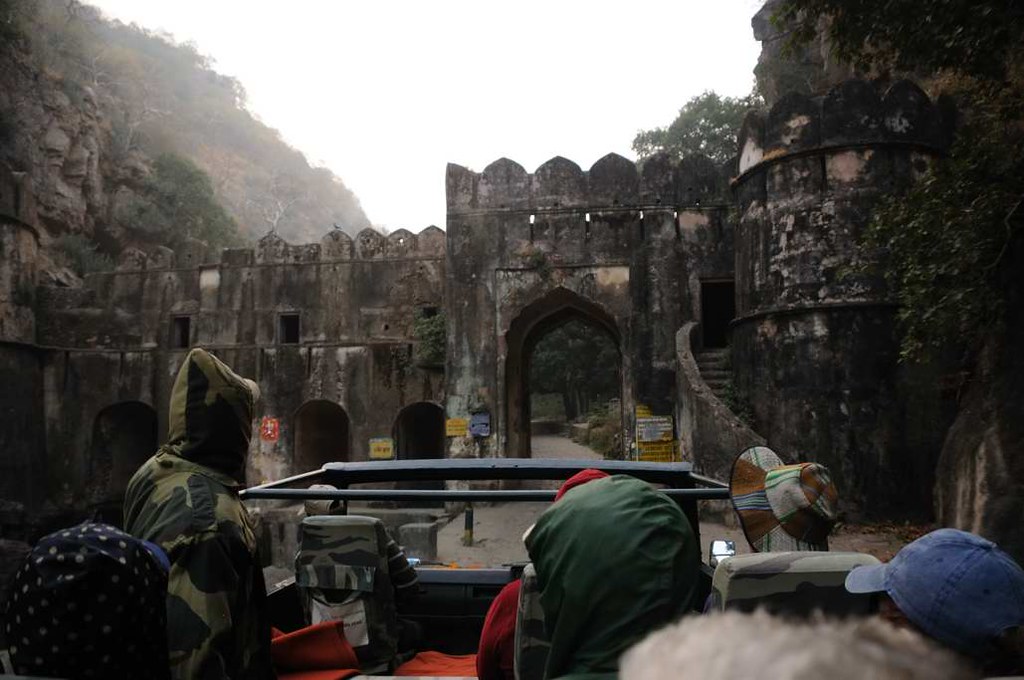
A UNESCO World Heritage Site (as part of the Hill Forts of Rajasthan) that predates the Mughal Empire — built in the 10th century and rising 215 metres above the surrounding jungle. The tigers move freely through the fort complex, making it the only place in the world where you might see a tiger against the backdrop of a medieval fortress.
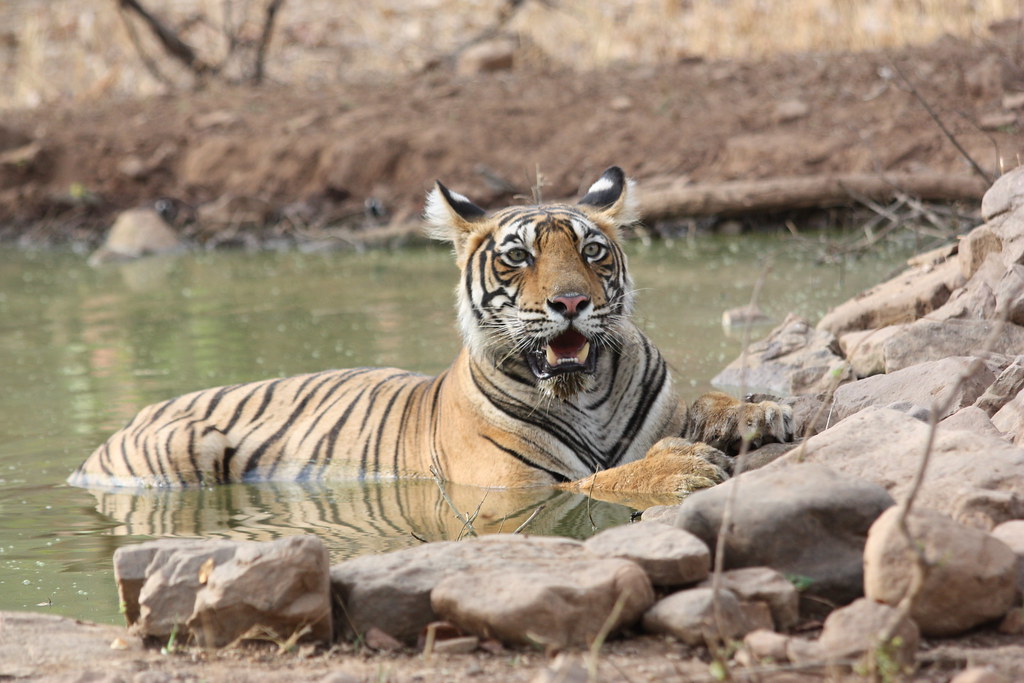
The largest of Ranthambore's three lakes — a favourite territory for the park's tigers, who come to drink and hunt at its edges at dawn and dusk. The Jogi Mahal guesthouse sits at its bank, and the ancient banyan tree beside it is among the largest in Rajasthan.
A working Hindu temple inside the tiger reserve — one of the most visited Ganesh shrines in northern India, drawing pilgrims who trek through the jungle to offer prayer. The combination of active pilgrimage and active wildlife is found nowhere else.
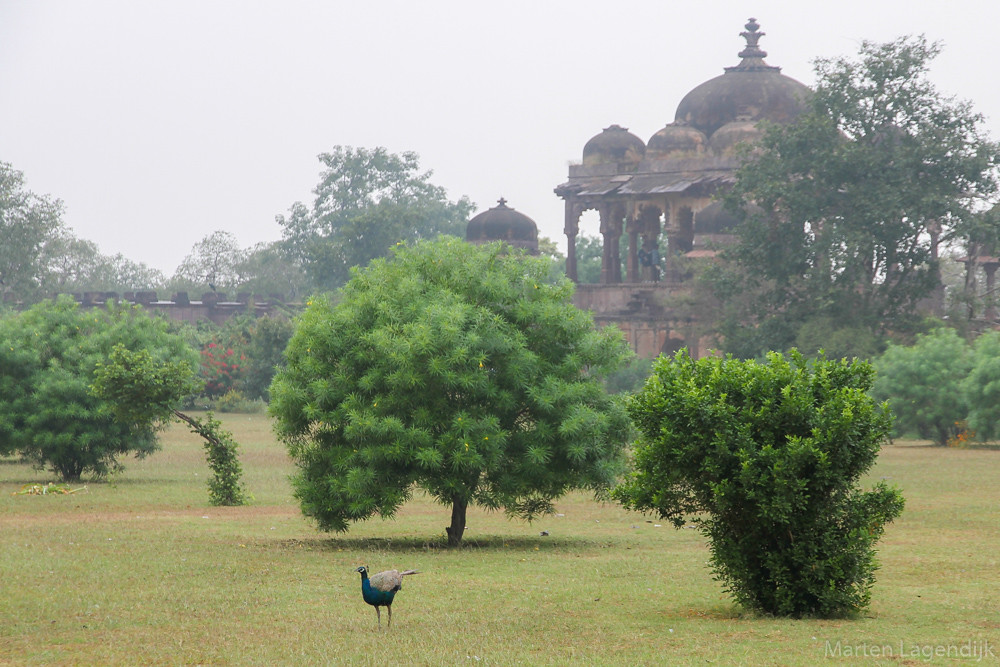
A 19th-century royal hunting lodge slowly consumed by the forest — walls cracked by roots, archways framing jungle, and a lake used regularly by tigers. One of the most atmospherically photogenic spots in the park, at its best in the early morning light.
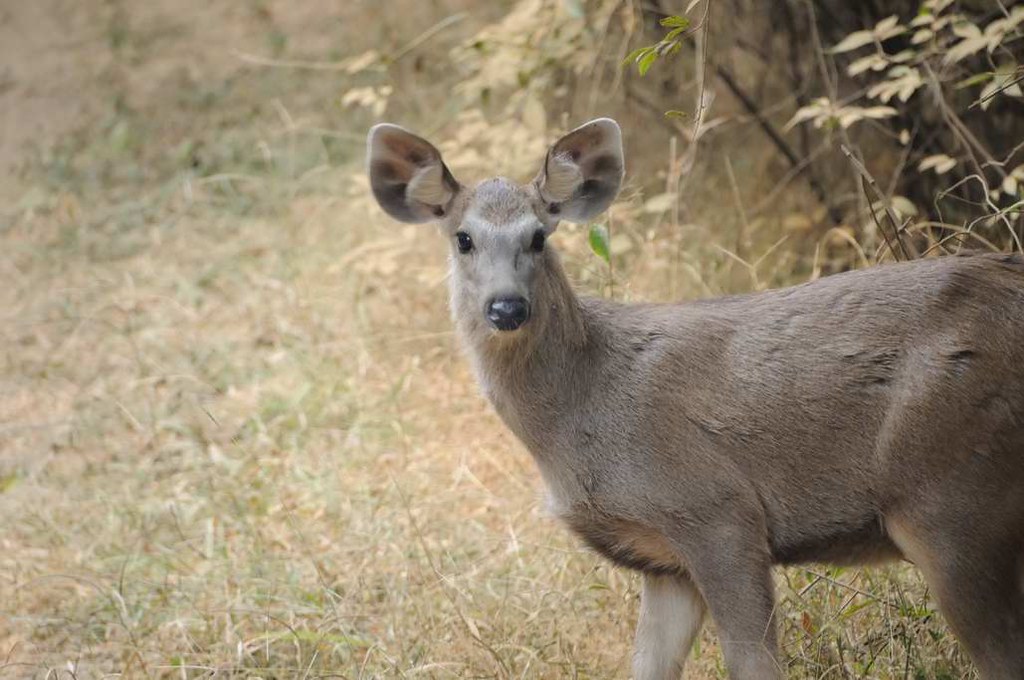
The quieter northern buffer zone, less visited than the core zones, with excellent birding — over 320 species recorded in the reserve — and frequent leopard sightings. Worth a dedicated safari for travellers whose interest extends beyond tigers.
The gateway town to Ranthambore, 11km from the park entrance. The weekly market, local dhabas, and the old bazaar offer the less-visited side of Rajasthani life in a town shaped entirely by its proximity to one of India's most famous parks.
45 minutes from Ranthambore — a lesser-known 10th-century fort on an isolated hilltop with views across the Banas River valley. Rarely visited, almost never crowded, and a striking contrast to the more famous Ranthambore Fort.
A seasonal lake outside the park boundary, visited by migratory birds between October and February — a feeding ground for bar-headed geese, demoiselle cranes, and lesser flamingos during peak season. A half-day excursion from any property near the park.
Things to Do
The park opens at first light. Zones 2 and 3 — centred on the Padam Talao and Raj Bagh lake systems — consistently produce the most tiger sightings. A naturalist guide reading pug marks, alarm calls, and animal behaviour transforms the experience from a game drive into a tracking lesson.
A guided trek from the park entrance to the Ranthambore Fort base — through forest used by tigers, past the Ganesh temple where pilgrims walk the same route as the wildlife. The combination of pilgrimage route and predator corridor is unlike anything else in India.
The lodges surrounding the park — some within walking distance of the buffer zone — offer experiences unavailable from a day-visitor position: nocturnal sounds of the jungle, pre-dawn departure for first-entry safaris, and resident naturalists who know the park's individual tigers by name and territory.
A dedicated photography-focused safari with longer stops, positioning advice, and a naturalist who understands how light interacts with the forest at different times of day. Ranthambore's open terrain and habituated tigers make it India's best tiger photography location.
The villages surrounding the park are inhabited by communities that have lived alongside tigers for generations. A guided morning walk through village life — mustard fields, milk collection, women drawing water — provides context for what coexistence between people and large predators actually looks like.
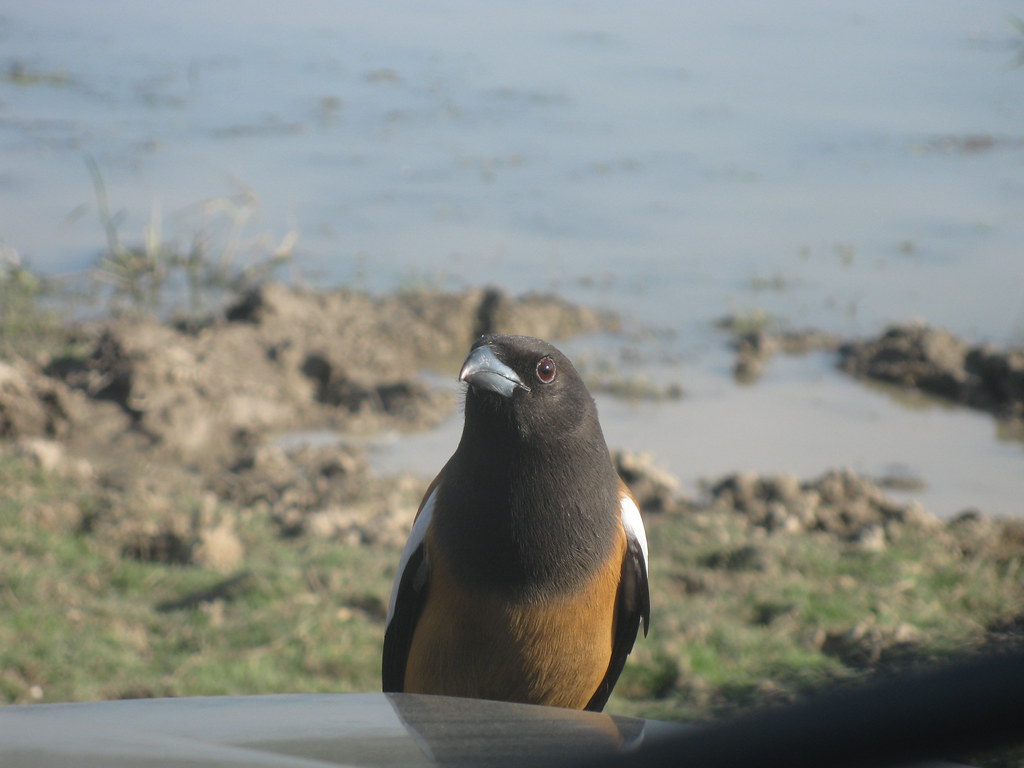
Over 320 bird species have been recorded in Ranthambore — Indian roller, crested serpent eagle, painted stork, and the rare Indian skimmer on the Chambal River nearby. A dedicated birding half-day with a specialist guide produces a list unlikely to be matched in most of Rajasthan.
Food to Try
Rajasthan's defining dish — wheat balls baked over open coals, served with five-lentil dal and churma. The jungle lodge versions, cooked on wood fire and served in the open air, are a different experience from the restaurant equivalent.
The pre-dawn safari return breakfast — chai, hot parathas, and fresh fruit served at a lodge terrace as the morning light arrives — is one of the genuine pleasures of a Ranthambore stay. Simple food, exceptional context.
Rajasthan's fiercest dish — mutton slow-cooked in a sauce of Mathania chillies, yoghurt, and whole spices. The heat level is serious and the flavour complex. Every Rajasthani household and many lodges cook a version; the differences between them are worth exploring.
The signature Rajasthani vegetable preparation — desert berries and dried beans cooked with mustard seeds, dried chillies, and mango powder. Found almost nowhere outside Rajasthan, and at its best in home-cooked versions offered by the better jungle lodges.
Besan laddoos made in the town's old bazaar sweet shops — dense, ghee-rich, and cardamom-scented. The town's sweet shops have operated for generations and the laddoos are sold by weight, not unit.
Several lodges offer open-air dinners in the forest buffer zone — a long table set among the trees after dark, with Rajasthani folk music and a multi-course meal cooked by the lodge kitchen. The experience is the setting as much as the food.
Places to Stay
Ten tents in a private reserve adjacent to Ranthambore National Park — the most exclusive accommodation in the park area. Canvas suites with four-poster beds, a central dining pavilion, and the full Aman service standard in the middle of the Rajasthan jungle. The tigers are not guaranteed; the experience is.
A luxury tented camp directly adjacent to the park boundary — 25 silk tents, an outdoor pool, butler service, and twice-daily safaris managed by an experienced naturalist team. The most operationally polished safari experience in Ranthambore.
A classic tented camp with a long Ranthambore heritage — 12 tents, a naturalist team with deep knowledge of the park's tigers, and an atmosphere that prioritises wildlife seriousness over resort luxury. The choice of serious wildlife photographers and repeat visitors to the park.
A contemporary boutique hotel in the buffer zone, designed by the same team behind RAAS Jodhpur — 30 rooms, a pool, and the RAAS aesthetic of contemporary design in a heritage landscape. A good choice for those who want Ranthambore proximity without the tented-camp format.
An intimate eco-lodge bordering the park, with 6 rooms and 4 tents — the property borders the forest directly, and wildlife sightings on the property itself are common (sloth bear, leopard, nilgai). The most wildlife-immersive mid-range option in Ranthambore.
A mid-range hotel in Sawai Madhopur town, 10 kilometres from the park entrance — the most practical budget option for Ranthambore, with clean rooms, good food, a helpful safari-booking desk, and a pool. The right choice for independent travellers who want Ranthambore access without the tented-camp premium.
Solo Female Travel
The better lodges surrounding Ranthambore are self-contained — gated, staffed around the clock, and oriented toward international travellers. Solo female guests are common; the lodge environment is notably more comfortable than a city hotel for many women.
All park safaris depart in shared canters (20-seat open vehicles) or 6-seat jeeps with a certified naturalist and a mandatory government driver. The guided group structure makes early-morning safaris comfortable for solo women in a way that self-drive wildlife experiences are not.
Ranthambore's accommodation ranges from budget guesthouses near the gate to high-quality jungle lodges. The quality difference is significant — and the right lodge provides transfers, naturalists, and a point of contact that makes the entire visit more secure.
The Ranthambore entry process — timed slots, registered vehicles, numbered zones — creates a structured environment that is, in practice, easier to navigate than many Indian cities. The most uncertain part is transport between the town and your lodge; book this in advance.
Plan Your Trip
We know which safari zones produce the most consistent tiger sightings, which lodges have naturalists who genuinely know the park's individual animals, and how to combine Ranthambore with Jaipur or Agra into a journey that holds together as more than a checklist.
Start PlanningFree consultation · No obligation · Reply within 24 hours
Free Resource
Download The Essential Women's Guide to India — our free, no-fluff resource covering what to pack, what to expect, and what no travel blog will tell you. Trusted by 2,000+ women.
Prefer to speak directly? hello@roamrani.com