West India · Travel Guide
The Gateway of India, Dharavi, Marine Drive at sunset, Bollywood, and street food — vada pav and bhel puri — that defines an entire food culture. India's most kinetic city is best experienced slowly, with a local guide who can find the human scale inside the overwhelming.
Places to Visit
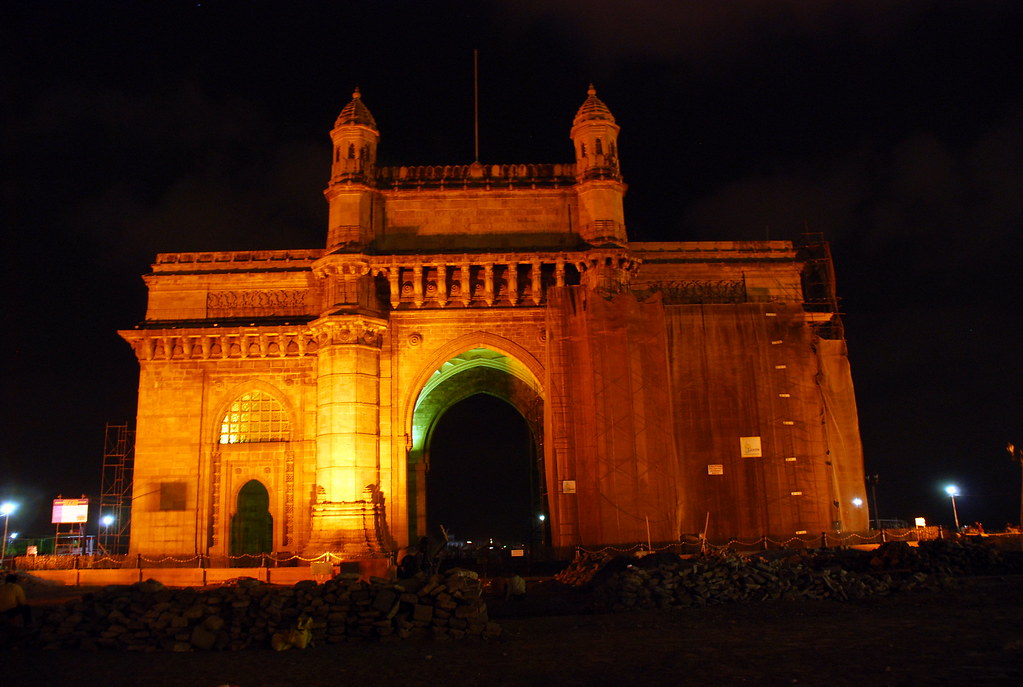
A 26-metre basalt arch built in 1924 at the water's edge of Apollo Bunder — the formal entrance point for British viceroys arriving by sea. The last British troops departed from this gateway in 1948. It remains the single most recognisable landmark in Mumbai.
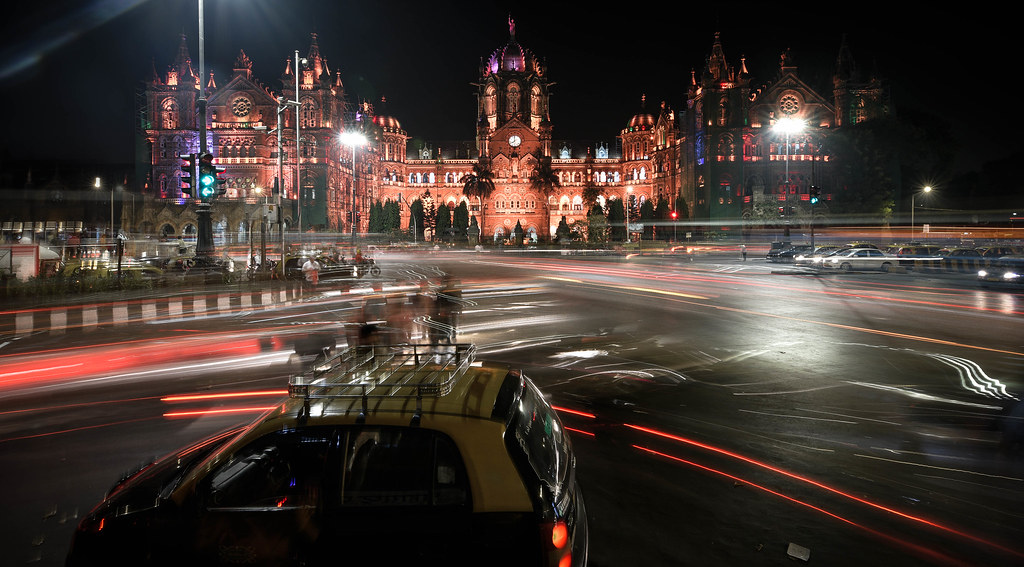
A UNESCO World Heritage Site and one of the finest examples of Victorian Gothic architecture in the world — ornate turrets, stained glass, and stone carvings covering a fully functioning railway terminus that handles more than three million passengers per day. Best photographed at night when the entire façade is lit up.
Mumbai's most revered temple, dedicated to Lord Ganesha and visited by millions of devotees every year. Located in Prabhadevi, it draws people from every walk of life — politicians, film stars, and ordinary Mumbaikars — for the Tuesday darshan queue that can stretch for hours. The inner sanctum houses a black stone Ganesha idol said to have been installed in 1801.
An eight-lane cable-stayed bridge spanning 5.6 kilometres across Mahim Bay — one of India's great modern engineering landmarks. The drive across at sunset, with the Arabian Sea on both sides and the Mumbai skyline ahead, is one of the city's defining experiences. Walking access is restricted, but the view from Bandra Fort gives the best full-length photograph.
The heritage district of South Mumbai — Art Deco cinemas, Victorian Gothic university buildings, and Crawford Market, all within walking distance. The Kala Ghoda arts district and the Jehangir Art Gallery both sit within this neighbourhood. Colaba Causeway itself is a street market running from the Gateway of India toward Sassoon Dock, selling clothes, jewellery, and street food from early morning.
Built in 1869 by British architect William Emerson, Crawford Market is one of Mumbai's oldest and most atmospheric wholesale markets — a Norman Gothic building with friezes designed by Rudyard Kipling's father, Lockwood Kipling. Inside: towers of tropical fruit, spice sacks, flower garlands, and the city's most concentrated pet market. Best visited before 9am when the produce arrives fresh.
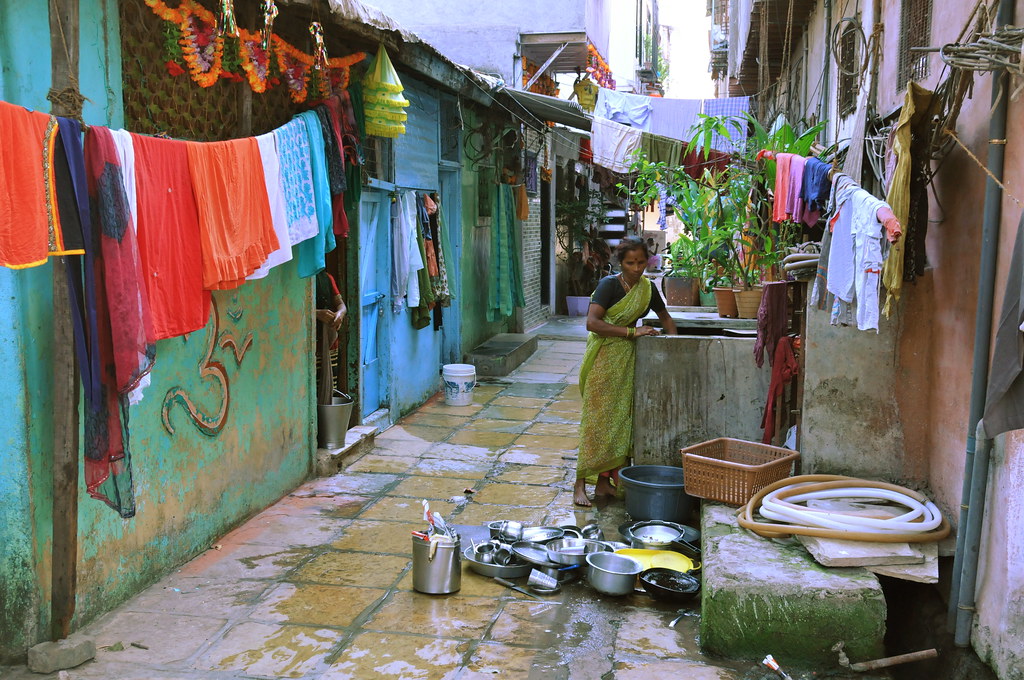
One of Asia's largest urban settlements — 600,000 people in 2 square kilometres, with a recycling economy that processes 60% of Mumbai's plastic, a leather goods industry, and a pottery quarter. Community-led tours run by Dharavi residents are the only ethically correct way to visit.
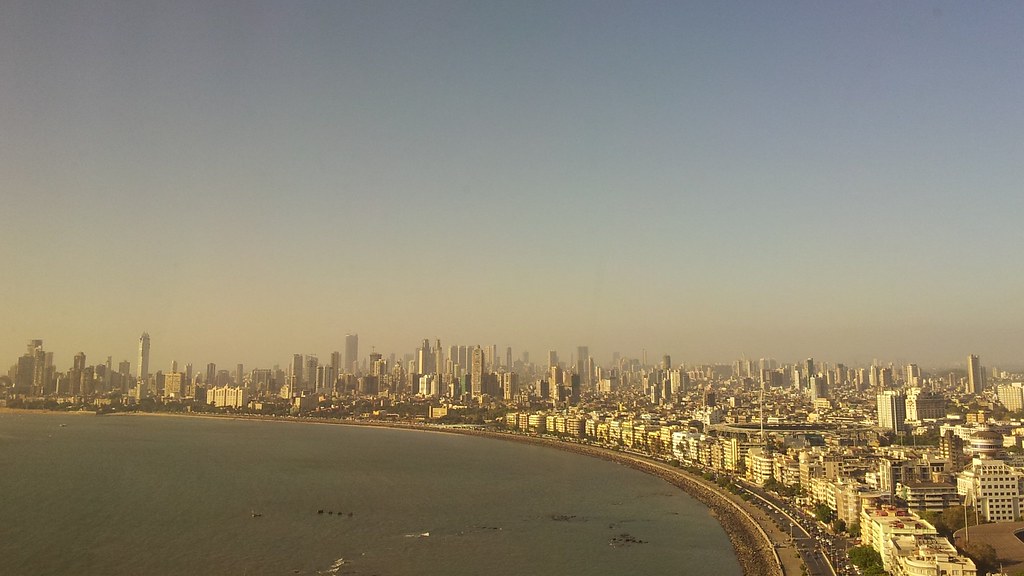
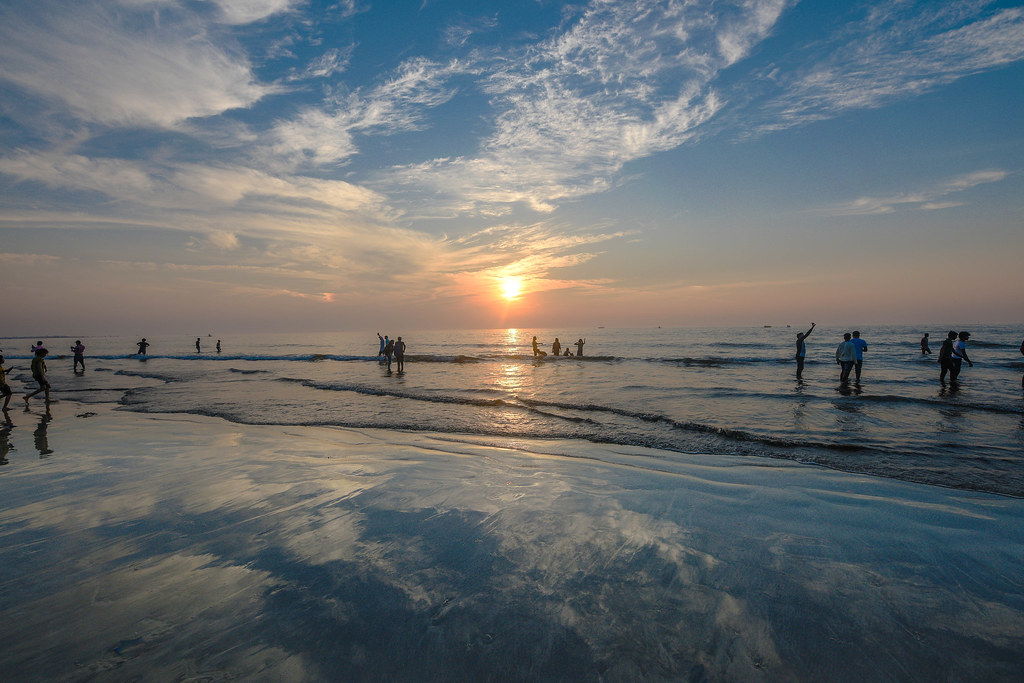
A 3.6-kilometre Art Deco seafront promenade facing the Arabian Sea. At sunset the curve of the road and its streetlights form the arc that gives it its name. At 6am, before the traffic, it is one of the finest walking streets in India.
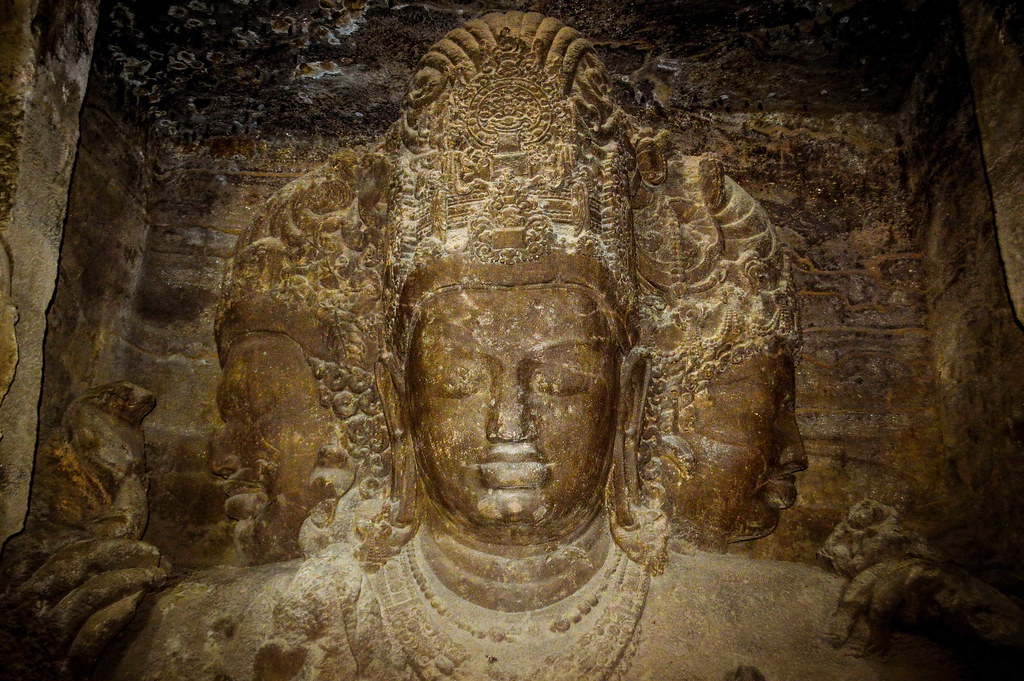
A UNESCO World Heritage Site on an island in Mumbai Harbour — 5th-7th century cave temples carved from the island's volcanic rock, with 6-metre Shiva sculptures in the main chamber. A one-hour ferry ride from the Gateway of India.
The world's largest open-air laundry — 800 washermen cleaning an estimated 7,000 kilograms of laundry per day in concrete wash pens. Best seen from the footbridge on Dr. Babasaheb Ambedkar Road, which gives a clear overview of the entire operation.
Things to Do
A 3-kilometre walk through South Mumbai's Victorian Gothic and Art Deco districts — the University of Mumbai, the Rajabai Clock Tower, the High Court, the Oval Maidan, and the Art Deco marine drive buildings — is one of the finest urban architectural walks in Asia.
Tours run by Dharavi residents (not third-party operators) fund community projects and give you access to the pottery quarter, the recycling operations, and family homes. A different Mumbai from the tourist circuit — and, for many visitors, the single most memorable day.
Two of Mumbai's great open-air food destinations. Juhu Beach, in the north, is the place for pav bhaji cooked fresh on iron griddles at beachside stalls, bhel puri assembled to order, and corn on the cob roasted over charcoal. Chowpatty Beach (Marine Lines) is the classic Mumbai beach food setting — bhel puri vendors, sugarcane juice, and kulfi at dusk, with the city skyline behind you. Both are best experienced in the evening when the crowd gathers.
Film City (in Goregaon) hosts live shoots; tours are available that walk through active sets. The industry is in full operation most days; the experience of arriving on a live Bollywood set mid-production is reliably extraordinary.
Mumbai's Irani cafés — founded by Zoroastrian immigrants from Iran in the early 20th century — serve bun maska (bread and butter), kheema pav, and chai in Formica-tabled rooms that have barely changed since the 1940s. Kyani & Co. and Britannia & Co. are the classic addresses.
Walking the Queen's Necklace from Nariman Point to Chowpatty Beach at sunset — when the Arabian Sea turns red and the curve of lights begins — is free, requires no booking, and takes about 40 minutes.
The Chhatrapati Shivaji Maharaj Vastu Sangrahalaya in the Fort District holds one of India's finest collections — ancient sculpture, Mughal miniatures, decorative arts, and natural history — inside a domed Indo-Saracenic building that is itself worth the visit.
Food to Try
A spiced potato fritter in a white bread roll with three chutneys — Mumbai's defining street food, sold at carts throughout the city for a few rupees. The correct version is served hot from the pan, eaten standing at the cart.
A thick vegetable mash cooked with butter and spices, served with soft white rolls grilled in more butter — invented at the Tardeo road stalls for Bombay mill workers in the 1850s. Best at Sardar Pav Bhaji or at the original Khau Galli stalls.
Puffed rice with tamarind chutney, fresh coriander, onion, and green chilli — assembled in front of you by a bhelpuri vendor, the tamarind-sweet chutney poured in the exact ratio the vendor has learned over years. Chowpatty Beach at sunset is the correct place.
Bun maska (butter on white bread) with chai in a glass — served at Irani cafés in Colaba and Fort since the 1920s. Kyani & Co. on JSS Road has been open since 1904 and serves the same breakfast to the same Mumbai families.
A small, oily fish specific to the Arabian Sea coast — dried, salted, or fried, with a pungent aroma and a flavour that rewards the committed eater. Available at Goan Christian restaurants in Bandra and the fishing villages behind the city.
Mumbai's historic Muslim quarter, where the biryani culture runs alongside kebab houses, haleem stalls, and phirni shops that have been feeding the neighbourhood for a century. At its most extraordinary during Ramzan, when the entire street becomes one of India's great food destinations.
Places to Stay
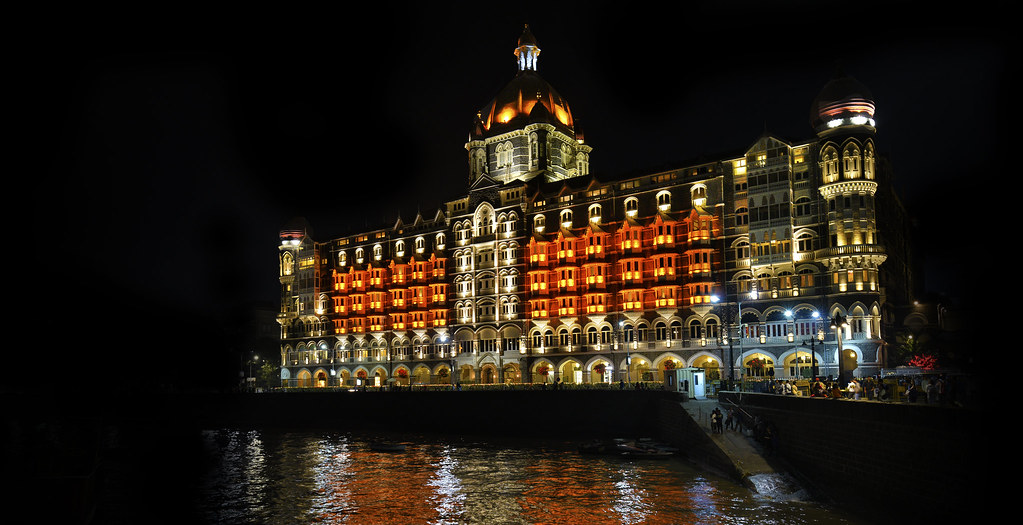
Built in 1903 on Apollo Bunder, overlooking the Gateway of India and the Arabian Sea — India's most famous hotel. The Palace Wing (the original building) has Indian-style rooms with sea views, Moorish and Florentine architecture, and the kind of grand-hotel service that defined colonial-era luxury. Stay in the Palace Wing if at all possible.
A contemporary tower on Marine Drive, with floor-to-ceiling sea views, one of Mumbai's best fine-dining restaurants (Vetro), and the most consistent luxury operation in the city. A different aesthetic from the Taj — modern rather than historic — but the service and rooms are exceptional.
A thoughtfully designed boutique in a 1940s Colaba building — 12 rooms, mid-century furniture, and a location that gives you the heritage neighbourhood on foot. Consistently Mumbai's best-reviewed boutique hotel, and a fraction of the Taj's price.
A design hotel in Colaba with three floors themed around different decorating styles — Mediterranean, Scandinavian, and Country English. Compact rooms, very central, genuine design sensibility. Good mid-range option with Colaba café-restaurant access.
A budget hostel in the Colaba neighbourhood — the right location for independent travellers, with Gateway of India, Café Mondegar, and Sassoon Dock all walkable. Dorm and private rooms, reliable management, and the most useful Mumbai base at the price point.
A Taj hotel on the Bandra headland above the Arabian Sea — panoramic sea views, a pool facing the water, and a location in Bandra that gives you the city's most interesting neighbourhood for restaurants, cafés, and street art. A different Mumbai from Colaba: more residential, more contemporary, the version of the city that its creative class actually inhabits.
Solo Female Travel
Mumbai's local train network is the backbone of the city — 8 million journeys per day. The first and last carriages of every train are women's-only coaches, enforced and reliable. Using the local train is both the most authentic Mumbai experience and the safest public transport option.
South Mumbai (Colaba, Fort, Marine Drive) is the most tourist-navigable and the most walkable. North Mumbai (Bandra, Andheri, Juhu) is more residential and entertainment-focused. A mix of both gives you the full city.
Ola and Uber are reliable, tracked, and widely used throughout Mumbai. After 10pm, use an app-based cab rather than a regular auto or taxi — driver details are logged and the route is visible to someone you can share it with.
Mumbai spreads over 600 square kilometres. Planning which neighbourhoods to prioritise and how to get between them is the most important logistical decision — without a plan, you spend your time in traffic rather than in the city.
Plan Your Trip
Mumbai overwhelms. We know the Dharavi community guides worth booking, the Irani cafés that open before 7am, the heritage walk route that covers the finest architecture, and how to get between them efficiently.
Start PlanningFree consultation · No obligation · Reply within 24 hours
Free Resource
Download The Essential Women's Guide to India — our free, no-fluff resource covering what to pack, what to expect, and what no travel blog will tell you. Trusted by 2,000+ women.
Prefer to speak directly? hello@roamrani.com