Kerala · Travel Guide
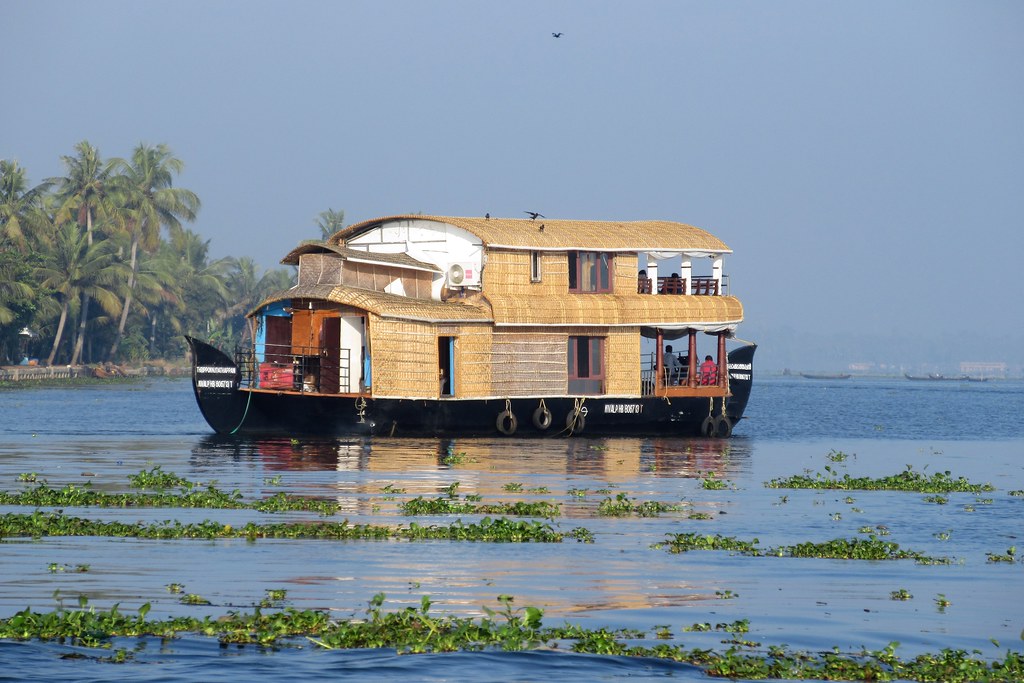
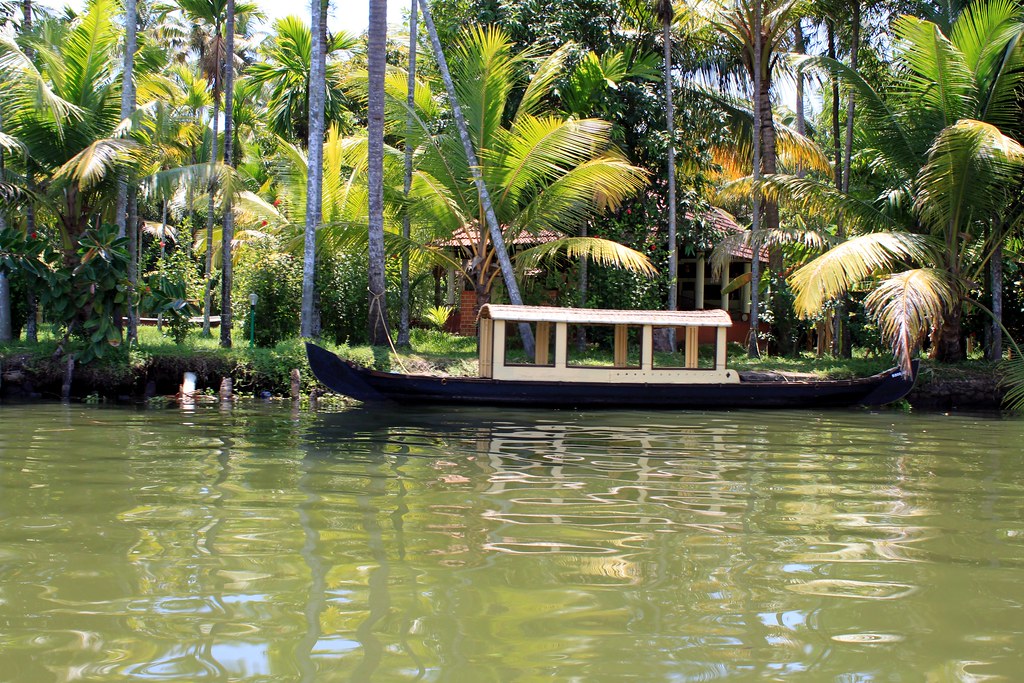
A private kettuvallam houseboat moving slowly through canals and paddy fields, village canoe trips into narrow waterways where motorised boats cannot go, and dinner cooked on board with that morning's market spices. The Kerala backwaters at their most peaceful.
Places to Visit
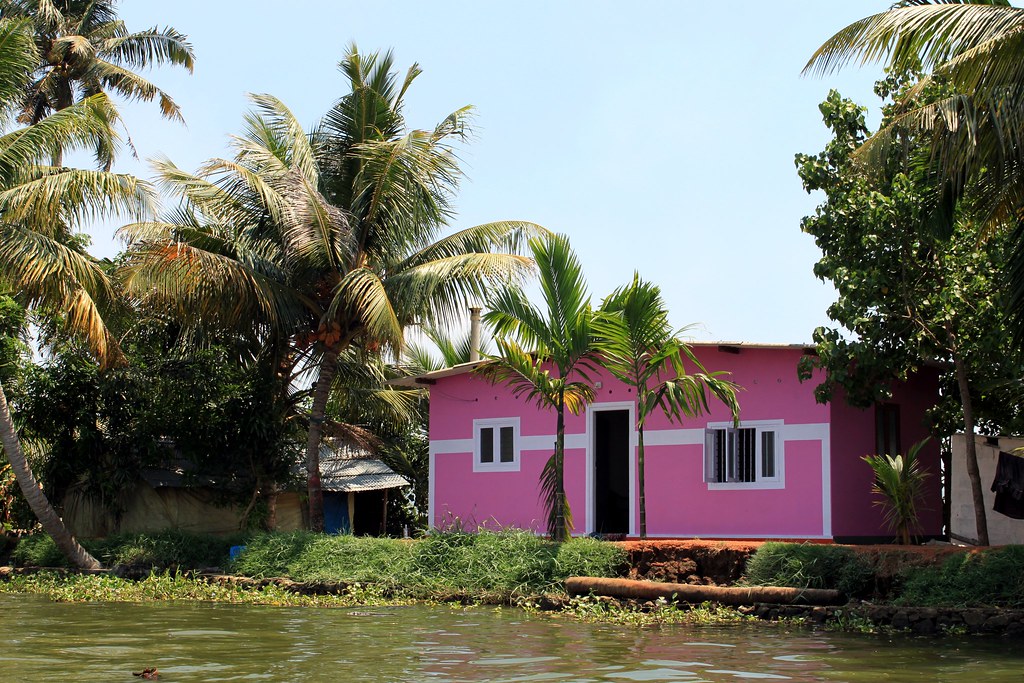
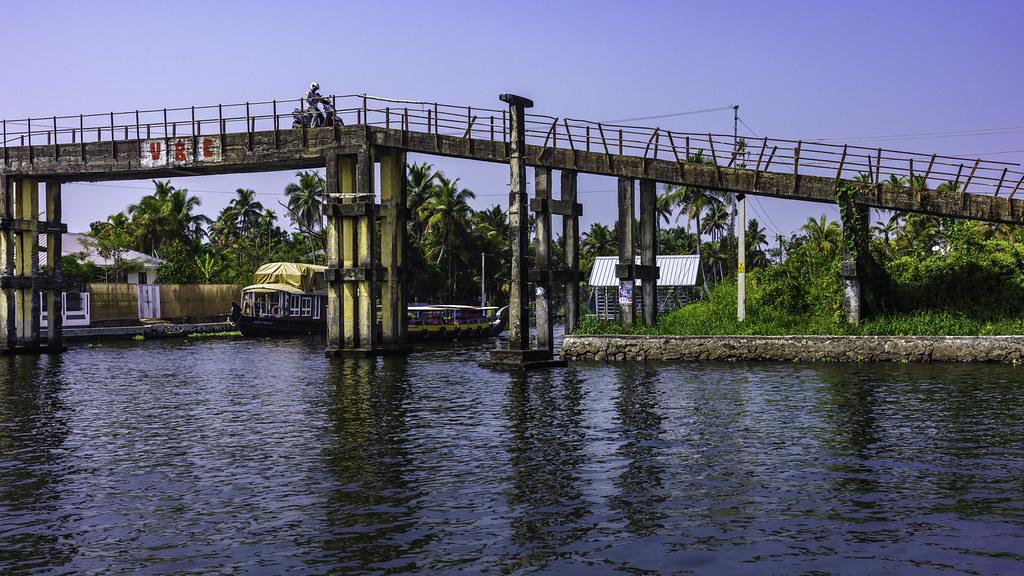
A 900-kilometre network of canals, rivers, and lakes connecting the coast to the interior — home to rice barges, canoe fishermen, and villages accessible only by water. The canal life is not staged; the people who live here have always been here.
The longest lake in India — 96 kilometres — forming the backdrop for the houseboat experience and the site of the Nehru Trophy Boat Race (held every August in Punnamada Lake). At dawn, the lake is perfectly still and often shrouded in mist.
15 kilometres from Alleppey on Vembanad Lake — a migratory bird sanctuary with waterfowl, egrets, herons, and kingfishers accessible by boat. Best visited at dawn before the birds retreat into the shade.
A long stretch of sand south of the canal mouth — less developed than Goa's beaches, backed by palm trees, and mostly used by local fishermen. The old pier stretching into the sea is a 19th-century British-era structure; the lighthouse at the beach's northern end is the defining town landmark.
A striking Kerala-style temple dedicated to Lord Murugan (Subramanya) in the heart of Alappuzha town — the mandapam, flag post, and Kerala-style gopura are examples of traditional temple architecture rarely seen by visitors who spend their entire time on the backwaters. The temple is most vivid during festival season.
A significant Kerala temple known for its annual festival (Makam Thozhal) in which thousands of lit bamboo figures are carried in procession — one of Kerala's most spectacular and elaborate temple festivals.
15 kilometres north of Alleppey town — a wide, uncrowded beach backed by coconut groves and a traditional fishing village, without the development that has reached more famous Kerala beaches. The fishing community's catamarans launch at dawn; the beach is at its quietest in the early morning, before the day's heat arrives.
Things to Do
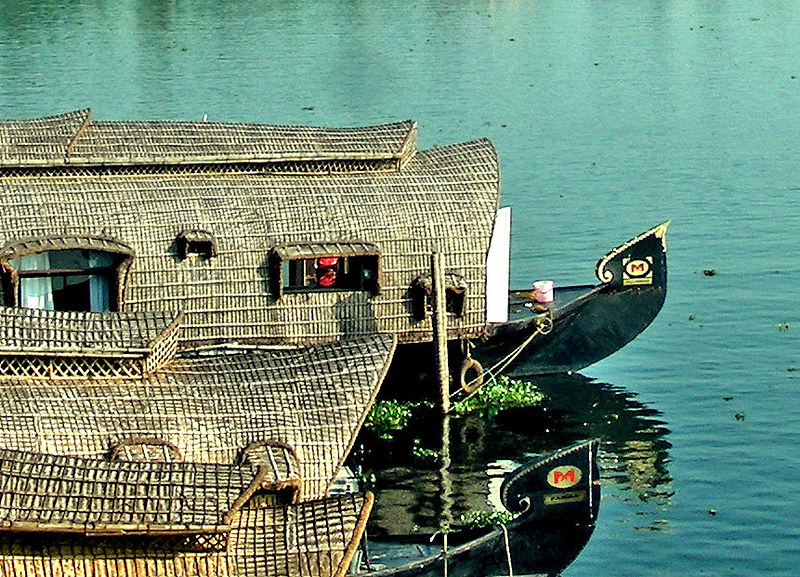
A kettuvallam (rice barge converted to a houseboat) arranged privately — not shared with strangers. The boat has a bedroom, a cook, and a captain. It moves through the canal network for 24 hours, stopping where you want to stop, moving when you are ready to move.
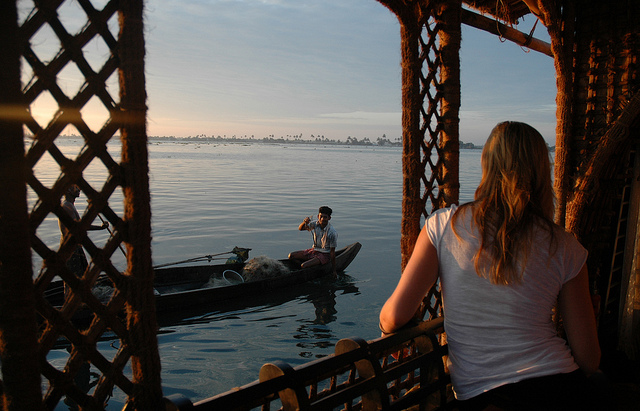
A smaller wooden canoe into the narrow side channels where the kettuvallam cannot go — past houses built at water level, children in dugout boats, and a daily life that has not changed much in 100 years. The most genuinely intimate backwater experience available.
Most houseboat cooks are willing to share their process — karimeen pollichathu (banana-leaf fish), coconut-based prawn curry, fresh papadams. The kitchen is a small corridor at the boat's stern; watching it operate is impressive regardless of the actual lesson.
The most famous snake boat race in Kerala — held on Punnamada Lake on the second Saturday of August. 100-plus oarsmen per boat, drumming, and crowds on every bank. Book your spot months in advance.
Alleppey town and the villages between the main canals are accessible by bicycle — flat roads, palm-lined lanes, and the scale of daily life at water level made visible. A half-day ride covers more ground than a full boat tour.
A solo kayak or guided paddle across the open lake before the morning mist lifts — the water perfectly still, egrets fishing in the shallows, and the sound of the houseboat engines still an hour away. Several operators in Alleppey offer pre-dawn departures; this is the backwater experience that no kettuvallam can provide.
Food to Try
Pearl spot fish wrapped in banana leaf with a coconut-chilli paste and grilled — the signature dish of the Alleppey backwaters. The fish is caught from the same canals you are floating through.
Coconut milk, kokum, and red chilli with whatever fish was caught that morning — the daily meal of backwater households, made on the houseboat from ingredients bought at the morning's market.
A 24-dish feast served on a plantain leaf — rice at the centre, with pickles, chutneys, curries, and payasam (sweet). Eaten at Onam celebrations and traditional restaurants; the correct way to experience the full range of Kerala vegetarian cooking.
Steamed rice flour cylinders with a black chickpea curry — the Kerala breakfast, eaten in the morning at canal-side teashops. The combination of textures is specifically South Indian and unlike anything served elsewhere in India.
Lacy rice flour crepes with a coconut milk stew — the Christian Syrian dish that defines Kerala breakfast culture. Available at guesthouses and teashops throughout the town of Alleppey.
Tapioca (kappa) cooked with spiced beef — a working-class Kerala dish from the plantation belt that has become one of the most sought-after meals in the backwater region. The tapioca absorbs the spiced beef gravy in a way rice never does; available at the small non-vegetarian restaurants along the main canal-side road.
Places to Stay
A restored 19th-century colonial mansion in central Alleppey town — 10 rooms, a pool, a garden, and a restaurant widely considered one of the best in Kerala for its fish curry and seafood. The most celebrated heritage hotel on the backwaters, and the benchmark for Alleppey accommodation.
A heritage property on Punnamada Lake, connected to the backwaters by boat — traditional Kerala architecture (sloping tiled roofs, wooden interiors), waterfront setting, and genuine backwater access from the property. The right balance between heritage and location.
An eco-conscious resort on the backwaters near Alleppey, with cottages in Kerala vernacular style set among palms and water. Good food, an Ayurveda centre, and a quieter stretch of waterway than the main houseboat routes.
The quintessential Alleppey experience — a converted rice barge with a bedroom, attached bathroom, sun deck, and a chef who cooks Kerala meals as you drift through the backwater network. Book directly through accredited operators; the overnight route through Vembanad Lake is the recommended itinerary.
A mid-range property with backwater-adjacent location, Kerala-style architecture, and consistent service — good value for travellers who want a proper bed and breakfast without the full heritage resort pricing. A sensible base for a night before or after a houseboat trip.
A CGH Earth property on Marari Beach, 12 kilometres north of Alleppey — traditional Kerala fishing village architecture, thatched cottages in a coconut grove, a pool, and direct beach access on one of Kerala's quietest stretches of coast. Combines well with an Alleppey backwater day trip; the two together make the ideal South Kerala itinerary.
Solo Female Travel
The large group tourist houseboats on the main canal route between Alleppey and Kumarakom are not the right choice for solo women — they travel in convoy, stop at the same spots, and the shared boat dynamic can be uncomfortable. A private arrangement is not significantly more expensive and is entirely different.
Kerala consistently leads India on female literacy, health outcomes, and safety metrics. The backwater region — canal villages and houseboat channels — is genuinely relaxed. Solo female travellers report the highest comfort levels in India here.
Your houseboat has two men on board — the captain and the cook. RoamRani uses operators and crews we know personally. The crew lives on the same boat and operates it professionally; the arrangement is completely normal and well-established.
Plan Your Trip
We arrange private kettuvallam stays with crews we know, canoe tours into the narrow channels, and cooking lessons with the boat's own cook. The backwater experience most visitors describe as the most peaceful of their India journey.
Start PlanningFree consultation · No obligation · Reply within 24 hours
Free Resource
Download The Essential Women's Guide to India — our free, no-fluff resource covering what to pack, what to expect, and what no travel blog will tell you. Trusted by 2,000+ women.
Prefer to speak directly? hello@roamrani.com